Our therapist work with you and help your child build strong foundations that reach beyond therapy and support meaningful, long-term growth and abilities.
Developmental Therapy in Ventura County
If you’re concerned that your child may not be hitting early milestones in their development, our developmental therapy in Ventura County offers gentle, supportive guidance to build early skills that shape how they connect, communicate, learn, and explore the world. Parents tend to reach out to us when they notice their child needs extra help with play skills, early communication, emotional expression, or foundational abilities that support learning and social engagement. Developmental therapy brings these areas together as a way to help children strengthen the building blocks that support growth across all areas of development. At Therapy Clubhouse, our goal is to create experiences that help your child feel curious, comfortable, and understood, rather than pressured or overstimulated.
If you’re in the process of exploring developmental support options for your child, our team is here to help you identify what may be beneficial and to guide you through each step with care. Therapy Clubhouse takes the time to understand your child's specific sensory preferences, interests, communication style, and emotional responses so sessions reflect who they are and how they interact with the world around them. We believe that children learn best when they feel safe, celebrated, and encouraged to explore at their own pace. To learn more about developmental therapy or speak with our team directly, you can reach us at (805) 624-3301
What To Know About Developmental Therapy and How It Works
Developmental therapy in Ventura County offers children support across the earliest building blocks of learning, communication, social connection, and play. Many young children explore the world in rich and meaningful ways, yet some need more guidance developing the skills that help them interact, understand routines, and build relationships. Developmental therapy brings together multiple areas of early growth, supporting the foundations that help children participate comfortably in their daily lives. Instead of focusing on strict milestones, our therapists look closely at how your child engages, responds, communicates, and explores, allowing therapy to unfold at a pace that feels safe and encouraging.
Developmental therapy is designed to help children build skills in areas such as early communication, social engagement, imitation, problem solving, emotional understanding, sensory processing, and foundational learning abilities. These areas create the groundwork for future developmental progress, making early support deeply meaningful for long-term growth. Therapy Clubhouse therapists combine child-led play with intentional guidance so your child feels supported, understood, and motivated during each session.
Understanding the Foundations of Developmental Therapy
Developmental therapy supports early skills that influence how children participate in the world around them. These foundational skills include joint attention, early communication attempts, play routines, curiosity, and the ability to connect with caregivers. Each of these areas contributes to a child’s sense of security and readiness to learn. Therapy Clubhouse therapists look closely at how your child communicates through gestures, eye contact, play themes, and emotional responses to understand their developmental profile in a meaningful way.
How Developmental Therapy Helps Children Grow Through Play
Play is the heart of developmental therapy at Therapy Clubhouse. Children experience the world through movement, exploration, imagination, and joyful interactions. Play allows them to practice communication, emotional awareness, early learning, and social skills in a way that feels natural and comforting. Developmental therapy uses play not as a reward, but as the primary tool for teaching, connecting, and guiding your child toward developmental milestones.
What Makes Developmental Therapy at Therapy Clubhouse Unique
Ventura County developmental therapy at Therapy Clubhouse is grounded in a warm, child-led philosophy that prioritizes emotional safety, curiosity, and connection. Our therapists take time to understand your child’s sensory needs, behavioral patterns, developmental profile, and learning style. This ensures therapy feels deeply personalized and aligned with who your child is, not who they are expected to be. The goal is to create an environment where your child feels confident exploring new skills, forming relationships, and participating in meaningful interactions.
Recognizing When Your Child May Benefit From Developmental Therapy in Ventura County
Children grow in beautifully unique ways, and many parents notice early on that their child’s development unfolds at a different rhythm than expected. These observations can bring both curiosity and concern, especially if certain skills take longer to emerge or daily routines feel more challenging than they should. Developmental therapy in Ventura County provides support during these moments, helping families understand what their child is communicating through behavior, play, movement, and emotional responses. Recognizing early signs that your child may benefit from developmental therapy does not mean something is wrong. It simply helps you understand their needs more clearly and explore ways to support their growth in a nurturing, pressure-free environment.

Understanding Early Communication and Interaction Cues
Communication begins long before children use words. Developmental therapy often supports children who show differences in how they express themselves, connect socially, or share attention with others. These cues help families understand where additional support may be needed to build stronger communication and social foundations.
Noticing Limited or Inconsistent Eye Contact
Some children engage visually with people and objects in ways that feel unpredictable or limited. They may look toward a parent briefly but not maintain shared attention long enough to engage in play or communication. These moments can make connection feel harder for both the child and the caregiver. Developmental therapy helps strengthen these early relational skills by using playful, motivating interactions that gently encourage shared attention.
Recognizing Early Signs of Communication Delays
Children who benefit from developmental therapy may use fewer gestures, sounds, or simple words than expected for their age. Others may rely heavily on nonverbal communication, expressing their needs through actions instead of language. These patterns do not reflect a lack of desire to communicate. They simply show that certain foundational skills need extra support, which developmental therapy provides through play, modeling, and responsive interaction.
Helping Children Who Communicate Differently Than Their Peers
Some children communicate through movement, sounds, or emotional expression rather than through gestures or spoken words. Developmental therapy helps expand these early communication attempts in ways that feel natural and comfortable for the child.
Observing Challenges With Joint Attention and Social Engagement
Joint attention occurs when a child and caregiver share focus on an object or activity. Some children struggle to engage in these moments, which can make play and early learning more challenging. Developmental therapy helps build these skills by creating playful experiences that draw children into shared interaction without pressure or overwhelm.
Recognizing Play and Learning Differences That May Indicate Developmental Support Needs
Children make sense of their world through play. Differences in how a child plays can offer insight into their developmental progress and highlight areas where support may be helpful. Developmental therapy focuses strongly on play because it reveals a child’s interests, strengths, and emerging abilities more clearly than structured, adult-led tasks.
Noticing Repetitive Play Patterns or Limited Play Themes
Some children repeat the same actions during play rather than exploring new ways of interacting with toys or engaging in imaginative scenarios. While repetition can be soothing, it may also signal that a child needs guidance expanding their play skills. Developmental therapy uses gentle strategies to introduce new ideas, helping children explore creativity and flexibility.
Observing Difficulty With Imitation or Early Pretend Play
Imitation is a key developmental skill that supports communication, problem solving, and social connection. Children who have difficulty copying gestures, actions, or simple play routines may benefit from therapy that strengthens imitation through playful modeling. Pretend play skills, such as pretending to feed a doll or using objects symbolically, often develop more slowly in children who need developmental support.
Supporting Children Who Hesitate to Try New Play Activities
Some children feel most comfortable sticking to familiar routines and may resist trying new activities. Developmental therapy introduces new play experiences gradually, allowing children to explore at their own pace while still being encouraged.
Difficulty With Problem-Solving or Understanding Cause and Effect
Children who struggle to understand how toys work, solve simple challenges, or explore cause-and-effect relationships may need more support strengthening cognitive skills. Developmental therapy provides opportunities for children to experiment in ways that build early reasoning abilities, helping them feel more confident navigating new tasks.
Understanding Emotional, Sensory, and Behavioral Cues That Suggest Developmental Support
Developmental differences often appear in emotional responses, sensory reactions, or behavioral patterns. These cues are important not because they suggest anything negative, but because they help parents understand the support their child may need to feel comfortable and regulated.
Observing Frequent Overwhelm or Difficulty Regulating Emotions
Some children become easily frustrated, anxious, or overstimulated during activities that feel routine for others their age. They may have difficulty calming their bodies or expressing what they feel. Developmental therapy helps children build emotional awareness and early regulation skills through predictable routines and guided play.
Noticing Sensory Sensitivities or Strong Avoidance Behaviors
Children who cover their ears, avoid certain textures, or become distressed in sensory-rich environments may be communicating that their systems need more support staying balanced. Developmental therapy works closely with children to help them interpret sensory input and discover strategies that make their world feel more comfortable.
Supporting Children Who Seek More Sensory Input Than Others
Some children seek movement, pressure, or strong sensory experiences to stay engaged. Developmental therapy provides safe, structured ways to meet these sensory needs while helping the child build awareness and regulation skills.
Identifying Challenges With Transitions or Changes in Routine
Children who rely heavily on familiar patterns may find even small changes overwhelming. They may resist transitions, need significant preparation before shifting tasks, or show distress when routines vary. Developmental therapy helps children build flexibility gradually, using routines and visual supports to make daily changes feel more manageable.
Recognizing Delays in Foundational Developmental Milestones
Delays across social, cognitive, communication, or play milestones can be early signs that additional support would help your child feel more confident and capable. Developmental therapy does not focus on “catching up” or meeting rigid expectations. Instead, it focuses on helping children build the skills that support comfort, independence, and connection.
Helping Children Explore New Environments With Confidence
Children who hesitate to engage in new spaces or with new people often benefit from the gentle structure and emotional safety developmental therapy provides. This support helps children move from feelings of uncertainty toward curiosity and engagement.
A Home-Like Atmosphere That Reduces Anxiety
The clinic intentionally avoids feeling like a traditional medical setting. Soft lighting, warm colors, natural textures, and open play spaces help children feel like they belong. When the environment feels comforting, children are more willing to take risks, try new words, and express themselves.
Goals and Outcomes From Ventura County Developmental Therapy Sessions
Developmental therapy in Ventura County supports children in building the foundational skills that guide how they explore, learn, play, and connect. These foundations become part of every moment of their day, influencing the way they respond to new experiences, interact with others, and participate in routines. At Therapy Clubhouse, the outcomes we work toward are never limited to meeting milestones. Instead, they focus on strengthening the core abilities that help children feel comfortable, capable, and confident in who they are. Every child grows at their own pace, and our therapists shape sessions to nurture that growth in ways that feel natural, joyful, and deeply supportive.

Strengthening Communication, Social Connection, and Early Interaction Skills
Children communicate through far more than words. Their gestures, play, facial expressions, and emotional responses all serve as tools for connection. Developmental therapy helps children expand these abilities so they can express themselves clearly and participate more fully in their relationships. These early interaction skills become essential building blocks for future communication, learning, and social engagement.
Helping Children Build Early Communication Foundations
Many children who benefit from developmental therapy are still discovering how to use gestures, shared attention, or early vocalizations to express themselves. Therapy encourages these skills through play-based interactions that feel warm and inviting. As children explore sounds, gestures, and simple communication attempts, they gain confidence and comfort expressing their needs and ideas.
Supporting Children at Varying Stages of Communication Development
Whether your child communicates through eye contact, pointing, simple words, or emerging phrases, developmental therapy meets them where they are. The goal is to expand these early attempts in ways that feel achievable and motivating, allowing communication to become a more natural part of their daily routines.
Encouraging Growing Social Awareness and Shared Experiences
Social connection begins with small, meaningful moments. A shared smile, a playful gesture, or a moment of joint attention can be a powerful step toward stronger interaction skills. Therapy helps children practice these early social behaviors with support that feels patient and nurturing. Over time, children learn how to participate in back-and-forth interaction, respond to others, and form deeper relational bonds.
Expanding Play Skills That Support Connection and Learning
Play is one of the primary ways children interact with the world, and it serves as a window into their understanding of relationships, problem solving, and creativity. Developmental therapy helps children expand the ways they play, building skills such as imitation, pretend play, turn taking, and flexible thinking. Through guided play experiences, children learn to communicate ideas, cooperate with others, and explore new possibilities.
Supporting Emotional Understanding, Sensory Regulation, and Adaptive Behavior
Emotional growth and sensory comfort shape how children respond to their environment. For many families, one of the most meaningful outcomes of developmental therapy is seeing their child become more regulated, more flexible, and more at ease throughout the day. Therapy Clubhouse focuses on strengthening emotional awareness, regulation strategies, and sensory understanding so children feel supported in moments that feel difficult or overwhelming.
Helping Children Develop Emotional Awareness and Expression
Learning to identify emotions is an important part of early development. Some children experience emotions intensely but lack the tools to express them safely, while others may withdraw or shut down when feelings become overwhelming. Developmental therapy helps children recognize their emotions, understand how those emotions feel in their bodies, and practice communicating their needs. These early emotional skills help children navigate frustration, transitions, and unexpected changes with more confidence.
Supporting Children Who Need Gentle Guidance During Big Feelings
Many children struggle to calm their bodies or express their emotions without support. Therapy provides opportunities to practice regulation strategies through play, movement, and connection, helping children develop awareness and control in a way that feels empowering rather than discouraging.
Strengthening Sensory Regulation and Awareness
Children process sensory information differently. Some may feel overstimulated by sound, touch, or movement, while others crave sensory input to stay engaged. Developmental therapy helps children understand their unique sensory profiles so they can access the comfort and regulation they need throughout the day. These skills support smoother routines, improved attention, and increased emotional stability.
Encouraging Behavioral Flexibility and Problem-Solving Skills
Children who struggle with transitions, rigidity, or frustration may benefit from guidance in developing flexible thinking. Developmental therapy creates opportunities for children to adjust to small changes, explore alternatives, and practice problem-solving within play. These experiences help children respond to challenges more calmly and adapt to daily routines with greater ease.
Helping Children Build Confidence as They Try New Approaches
Small frustrations or unexpected changes can feel overwhelming for children with limited coping tools. Therapy provides a safe, predictable space for exploring new solutions and practicing flexibility, allowing children to develop resilience and confidence through experience.
Nurturing Independence, Foundational Learning, and Daily Life Skills
Independence develops over time as children become more comfortable participating in daily routines, learning tasks, and structured experiences. Developmental therapy supports these abilities by helping children build foundational cognitive and functional skills that shape how they learn, play, and explore. This support helps children participate in their world more fully and feel proud of their growing abilities.
Supporting Early Learning Skills That Influence Future Development
Children who benefit from developmental therapy may need additional support with attention, problem solving, sequencing, or early academic readiness. Therapy helps strengthen these emerging skills in ways that feel playful and manageable. As children learn how to stay focused, follow simple steps, and participate in guided activities, their confidence in early learning environments often grows.
Encouraging Participation in Daily Routines and Functional Tasks
Many families seek developmental therapy because daily routines feel challenging for their child. Tasks such as getting dressed, eating meals, cleaning up toys, or transitioning between activities may require guidance. Therapy helps children approach these tasks step by step, building independence in a way that feels supportive and encouraging.
Supporting Children Who Need More Structure and Predictability
Some children rely on consistent routines to feel secure. Developmental therapy helps them understand expectations and build familiarity with daily tasks so they can participate with greater comfort and confidence.
Strengthening Motor Planning and Fine Motor Skills
Developmental therapy often touches on physical skills that support writing, feeding, playing, and early classroom participation. While not as specialized as occupational therapy, developmental therapy still helps children practice hand skills, coordination, and motor planning within playful activities that feel engaging and approachable.
Building Confidence Through Achievable Steps and Celebrated Progress
Confidence grows when children experience success. Developmental therapy focuses on helping children achieve small, meaningful steps that build toward larger developmental goals. These successes reinforce self-esteem and motivate children to explore new skills.
Encouraging Children to See Themselves as Capable Learners
As children develop new abilities, they begin to approach challenges with a sense of curiosity rather than hesitation. Therapy supports this growing sense of self, helping children feel proud of who they are and excited about what they can accomplish.
Our Approach to Developmental Therapy in Ventura County
Every child enters the world with their own way of exploring, learning, communicating, and connecting. Developmental therapy in Ventura County at Therapy Clubhouse is built around honoring those individual differences and supporting your child in ways that feel gentle, encouraging, and aligned with their natural pace. Instead of relying on rigid expectations or one-size-fits-all methods, our therapists take time to understand your child’s emotional world, sensory needs, and preferred ways of engaging. This allows therapy to unfold as a relationship, not a checklist, and gives children the space they need to build skills with comfort and confidence.
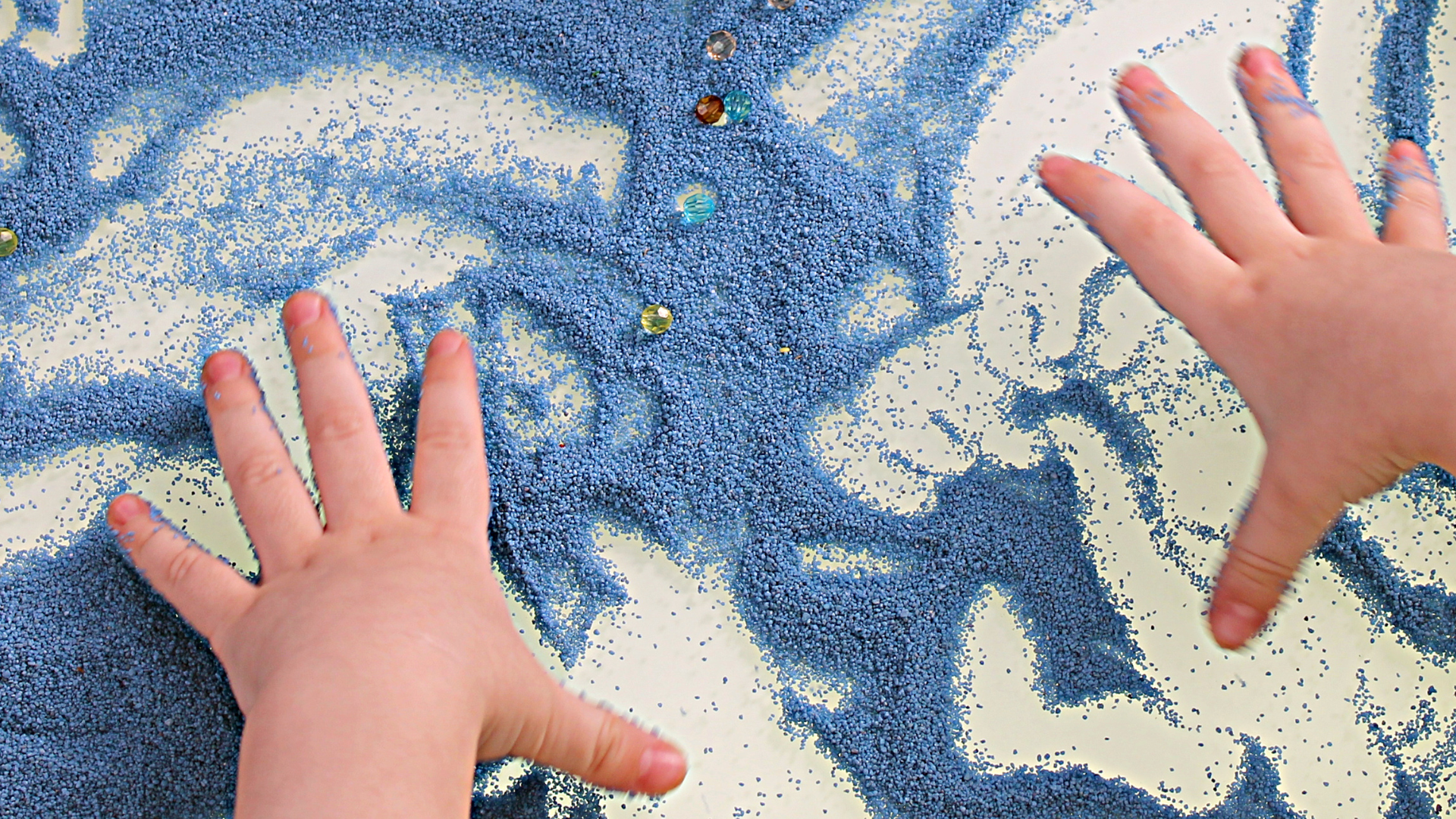
Creating a Nurturing, Child-Led Foundation for Learning
Children develop best when they feel seen and valued. Our approach to developmental therapy is rooted in child-led exploration, giving children the freedom to discover new skills through activities that resonate with their interests and comfort level. Instead of directing every moment, therapists follow your child’s cues, allowing them to guide the interaction in ways that help them stay regulated, connected, and engaged.
Understanding Your Child’s Developmental Profile With Care
Before building a therapy plan, our therapists spend time getting to know how your child communicates, plays, responds to sensory input, and processes emotional experiences. This helps us understand not just what skills your child is working toward, but how they naturally move through the world. By honoring your child’s strengths and preferences, we create sessions that feel familiar and supportive rather than intimidating.
Supporting Children Who Need Extra Warm-Up Time
Some children dive into play right away, while others approach new environments or activities more slowly. Our therapists hold space for this warm-up period, letting children settle in at their own pace so therapy feels grounded in trust.
Using Play as the Heart of Learning and Communication
Play is how children make sense of their world. It gives them opportunities to experiment, imitate, express emotion, problem solve, and connect with the people around them. Our approach uses play as the primary tool for developmental growth, allowing children to practice essential skills within activities they naturally enjoy. This makes the learning process feel joyful rather than pressured.
Encouraging Natural Interaction and Shared Experiences
Developmental therapy helps children experience the comfort of connection through small, meaningful interactions. Our therapists gently guide moments of joint attention, shared play, gesture imitation, and emotional expression. These experiences help children develop the social and communication foundations that influence every part of their development.
Supporting Growth Through Emotional Safety and Sensory Awareness
Emotional safety is one of the most important elements of developmental therapy. Children cannot build new skills if they feel uncertain, overwhelmed, or disconnected. Therapy Clubhouse creates an environment where children feel acknowledged and supported, helping them navigate big emotions, sensory needs, and moments of uncertainty with guidance that feels compassionate and grounding.
Understanding Sensory Needs and Their Role in Development
Some children are sensitive to sound, movement, textures, or transitions, while others seek extra sensory input to stay regulated. Our therapists pay careful attention to how your child responds to sensory experiences so sessions can be adapted with comfort in mind. This may include offering calming activities, movement breaks, or playful sensory exploration, depending on what your child needs to feel centered.
Supporting Children Through Sensory Overload or Sensory Seeking
Children who become overstimulated or who crave constant movement often need support finding balance in their sensory experiences. Developmental therapy helps them learn what their bodies need and how to access comfort in ways that feel empowering.
Helping Children Build Emotional Understanding and Resilience
Big feelings are a natural part of development, but some children need extra help understanding what those emotions mean or how to express them. Therapists guide children gently through emotional moments, helping them label feelings, explore calming strategies, and practice emotional communication. This support helps children feel more grounded during daily challenges.
Creating Predictable Routines That Support Regulation and Success
Predictability helps children feel safe. Developmental therapy sessions incorporate consistent rhythms and familiar routines so children can anticipate what comes next. This structure creates space for emotional comfort while still providing opportunities for learning and growth.
Partnering With Families to Support Growth Beyond the Session
Therapy Clubhouse believes that the most meaningful developmental progress happens when families understand their child’s needs and feel confident supporting them outside of sessions. Our approach emphasizes collaboration, communication, and partnership with parents so the skills practiced in therapy integrate naturally into daily routines.
Helping Parents Understand Their Child’s Communication, Play, and Sensory Needs
Understanding the “why” behind certain behaviors or developmental differences can bring immense clarity and reassurance. Therapists take time to explain what your child is communicating through their actions, how their sensory system may be influencing their responses, and which developmental skills are emerging. This insight helps parents feel equipped to support their child with compassion and confidence.
Providing Practical Strategies That Fit Into Real Life
Therapy does not end when the session ends. Our therapists provide families with simple, meaningful strategies that integrate into daily routines like meals, playtime, transitions, and bedtime. These strategies help reinforce skills naturally, without forcing rigid practice or adding stress to your day.
Supporting Families Who Need Guidance in Navigating Challenging Moments
Parents often have questions about how to respond to big emotions, sensory overload, or difficulties with communication. Our therapists are here to offer guidance that feels patient, individualized, and grounded in a deep understanding of childhood development.
Adapting Therapy as Your Child Grows and Learns
Children change rapidly, and their needs shift just as quickly. Therapy Clubhouse adjusts therapy plans over time to match your child’s evolving abilities, interests, and challenges. This flexibility ensures that therapy remains meaningful and responsive to your child’s growth rather than staying fixed on outdated goals.
Creating a Long-Term Foundation for Confidence and Independence
Developmental therapy aims to help children feel capable and secure in their emerging skills. These early foundations shape their ability to communicate, learn, connect, and participate in their world. By providing consistent, emotionally attuned support, Therapy Clubhouse helps children build confidence that carries into school, friendships, and daily routines.
Encouraging Children to Take Pride in Their Progress
Celebrating small steps helps children recognize their own abilities. Our therapists make space for these joyful moments so children feel encouraged and excited to explore new skills over time.
Compassionate Developmental Therapy Clinic in Thousand Oaks
Children grow best when they feel understood, supported, and safe. Our multidisciplinary team brings together experienced pediatric specialists who design therapy that feels encouraging—not overwhelming. Each session blends clinical expertise with a warm, relationship-based approach, helping your child make steady, meaningful progress. Whether your child struggles with speech clarity, language development, or emotional regulation, we guide your family with clarity and compassion every step of the way.
Private In‑Home Therapy Across Ventura County
Private in‑home pediatric therapy gives children the chance to grow in a space that already supports their emotional safety and confidence. Many of the developmental, behavioral, and communication skills we teach become stronger when practiced in the same rooms, routines, and family interactions a child relies on every day.
Schedule ConsultationWhat Parents Are Saying
Real stories from families who found clarity, hope, and meaningful progress through Therapy Clubhouse.
“We came in unsure of the future. The therapists saw his strengths immediately and guided us with patience. He’s speaking more, interacting more, and smiling in ways we hadn’t seen in months.”
— Parent, Ventura County★★★★★
“She used to get overwhelmed so easily. Now she’s calmer, coordinated, and proud of what she can do. Therapy Clubhouse has completely transformed daily life for our family.”
— Parent, Camarillo★★★★★
“Their guidance gave us clarity when we were overwhelmed. Our child finally has the tools to communicate and connect in ways we had only hoped for.”
— Parent, Thousand Oaks★★★★★
“We felt so supported from the very first session. The therapists truly understand kids and gave us strategies that made an immediate difference at home.”
— Parent, Simi Valley★★★★★
“Our therapist brought so much joy into learning. Our son now participates in group activities and shows confidence we never imagined possible.”
— Parent, Westlake Village★★★★★
“Therapy Clubhouse changed everything for our daughter. She feels understood, supported, and excited to learn. We are forever grateful for this team.”
— Parent, Newbury Park★★★★★
Proudly Serving Families Across Ventura County
From Thousand Oaks to Camarillo, Ventura, Simi Valley, and beyond — our pediatric therapists bring support, clarity, and hope to families throughout the region.
Schedule Your Free ConsultationUnderstanding Your Child’s Developmental Journey
Answers to the most important questions parents ask about pediatric therapy, early intervention, communication development, sensory needs, and in-home support.
What makes Therapy Clubhouse different?
Our multidisciplinary team collaborates across all specialties to create a personalized plan for each child. We focus on the whole child—not just a symptom.
How do I know if my child may need therapy?
If your child struggles with communication, behavior, sensory needs, or milestones, an evaluation gives you clarity and a guided path forward.
What happens during the free consultation?
We listen, learn your child’s strengths, and help you understand their needs. Many parents feel relief and renewed hope after this first conversation.
Do you offer in-home therapy?
Yes — learning at home reduces stress and lets therapists observe real routines, leading to faster, more meaningful progress.
What therapies do you provide?
Speech, OT, feeding therapy, early intervention, ABA-informed support, developmental therapy, and parent coaching — all in one place.
How does your team collaborate?
Therapists align goals across communication, sensory, emotional, and motor development to ensure unified support.
What is family-centered therapy?
We empower families with practical tools that make progress natural and easy to integrate into routines.
How do you support sensory needs?
We use sensory-informed activities that help children feel calm, regulated, and ready to learn.
What age groups do you serve?
We support toddlers through school-aged children, adapting therapy to match each child’s developmental stage.
Connect With Therapy Clubhouse For Developmental Therapy in Ventura County
We collaborate closely with children and their families to build individualized sessions that support play, emotional regulation, and early learning in ways that feel productive and enjoyable. If you're interested in learning more about our services or speaking with our team, we would love to hear from you. You can reach Therapy Clubhouse at (805) 624-3301 or contact us through our website. We would be honored to support your child as they build confidence, independence, and comfort interacting with their everyday world.

Therapy Clubhouse invites your family to join a community that cares deeply about your child’s future.
Schedule Your Free 15-Minute Consultation With Our Specialized Pediatric Therapists
2026 © Copyright Therapy Clubhouse. All Right Reserved.