Understanding the general milestones for speech and language development in children can help you recognize whether your child might benefit from speech therapy in Ventura County.
What Speech Therapy Looks Like at Therapy Clubhouse
Speech therapy in Ventura County looks different depending on where you go, and it can feel overwhelming when you’re trying to imagine what your child’s sessions might look like. As their parent, you ultimately know your child best. Many members of our team are also parents, and we understand how important prioritising your child's wellbeing and comfort is, especially in a medical setting. At Therapy Clubhouse, speech therapy feels welcoming, playful, and thoughtfully designed to help your child feel safe exploring communication skills. Our sessions take place in an environment built to feel more like a joyful learning space than a medical office, which allows children to relax, explore, and grow at a pace that matches their needs.
Therapy Clubhouse feels like a place where childhood wonder and clinical expertise meet. This is where your child’s communication journey can unfold with encouragement and gentle structure, supported by therapists who take the time to learn who your child is before deciding how to help them. Whether your child receives support in our spacious clinic or through in-home sessions, the experience centers on connection, curiosity, and confidence building.
Our Play-Based Approach That Helps Communication Flourish\
Play is at the heart of how children learn. Speech therapy built on play encourages your child to participate willingly because communication becomes part of the experience rather than a task to perform. When your child leads the play, they show us their interests, their comfort level, and their natural communication style. This helps us offer support in a way that feels meaningful and natural to them.
The goal is not to get through a list of exercises. The goal is to connect with your child, understand how they communicate, and slowly expand their abilities through joyful interaction. This approach helps children feel capable, secure, and eager to return for the next session.
Following Your Child’s Interests to Build Real Skills
Children learn best when they feel fascinated or excited. If your child loves cars, we use cars. If they prefer pretend play, we join them in that world.
When their interests guide the session, communication becomes easier to practice because it fits naturally into what they already enjoy. This child-led approach also helps your child feel valued and understood. They learn that their voice matters, even before spoken words emerge.
Why Child-Led Sessions Reduce Pressure and Increase Progress
Children who feel pressured often communicate less. Our therapists slow down, observe, and follow your child’s pace so every interaction feels welcoming rather than demanding.
As your child becomes more comfortable, they take more initiative, attempt more sounds or words, and participate more eagerly in the activities that help them grow. This comfort becomes the foundation for long-term communication progress.
Using Play to Build Functional Communication Skills
Play helps children practice real-life communication skills without realizing they are learning. They take turns, share ideas, solve problems, and experiment with new vocabulary.
These learning moments happen during pretend play, sensory exploration, and interactive games that spark curiosity. When communication emerges in these natural ways, children carry their new skills into home routines more easily.
A Therapy Environment Designed for Comfort, Curiosity, and Growth
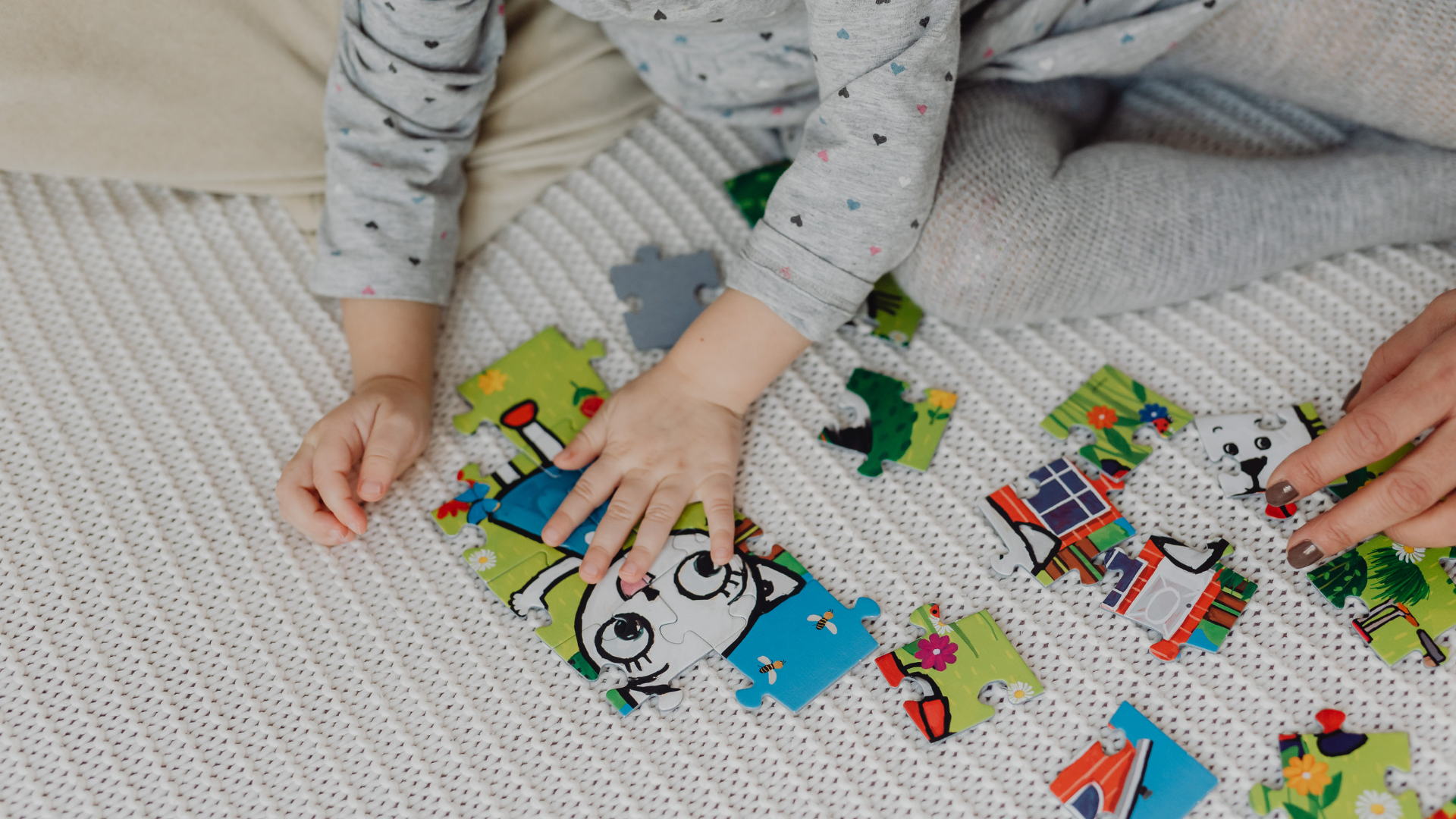
Therapy Clubhouse was built intentionally to help children feel excited to come to therapy rather than overwhelmed. The clinic includes a two thousand square foot sensory gym with soft play structures, swings, climbing areas, and cozy spaces that help children regulate. Speech therapy suites are bright, calm, and inviting, offering just the right balance of stimulation and serenity to support focus and creativity. The environment itself becomes part of the therapeutic process. When children feel safe and inspired by their surroundings, they participate more openly and discover new abilities through exploration.
How the Sensory Gym Enhances Speech and Language Development
Movement and communication are closely connected. Some children speak more easily when they are swinging, climbing, or exploring textured materials. The sensory gym provides opportunities for whole-body engagement that help children regulate their nervous system so they can communicate more comfortably. When children feel grounded, speech and language skills become easier to access.
Quiet Speech Suites for Focused, Personalized Learning
For children who benefit from a calmer environment, our speech suites offer privacy and an atmosphere that encourages sustained interaction. These rooms feel warm and peaceful rather than clinical, which helps children focus without feeling overwhelmed. In these spaces, your child practices communication in ways that feel predictable, gentle, and supportive.
Supporting Children Who Need Sensory Regulation Before Communicating
Some children need movement or sensory input before they can participate in speech activities. We allow time for children to regulate in the gym, use calming tools, or explore sensory elements so their bodies feel ready for communication. This approach helps children feel understood and respected, creating an environment where communication can unfold naturally.
A Home-Like Atmosphere That Reduces Anxiety
The clinic intentionally avoids feeling like a traditional medical setting. Soft lighting, warm colors, natural textures, and open play spaces help children feel like they belong. When the environment feels comforting, children are more willing to take risks, try new words, and express themselves.
Individualized Speech Therapy in Ventura County Tailored to Your Child’s Needs
No two children communicate in exactly the same way. Your child brings their own strengths, preferences, sensory needs, and learning style to each session. Our therapists design individualized treatment plans that reflect these unique traits while supporting your child’s overall developmental path. Sessions adapt based on what your child needs that day, whether that is more movement, more structure, more quiet time, or more imaginative play.

Using Evidence-Based Practices in a Child-Friendly Way
We combine research-supported approaches with play so therapy feels natural and meaningful. Whether your child needs help developing early sounds, forming words, expanding vocabulary, or building social communication, the strategies are woven into activities that feel enjoyable. This helps progress feel steady rather than forced.
Adjusting Our Approach for Neurodiverse Communication Styles
Children with autism, ADHD, sensory processing differences, or developmental delays often communicate in unique ways. We adapt our approach to honor these differences, using visual supports, sensory tools, predictable routines, or alternative communication methods depending on what helps your child thrive. This flexibility helps your child feel capable and understood.
When Your Child Benefits From Movement-Based Learning
Some children learn best when they are in motion. We incorporate movement breaks, sensory activities, or gym time into their sessions so they can regulate and refocus. This approach helps communication feel more accessible and prevents overwhelm.
Partnering With You Throughout Your Child’s Journey
Parent involvement is one of the most important parts of speech therapy. We help you understand what your child is learning, why certain strategies are used, and how to support communication at home. These conversations help you feel informed, empowered, and confident in your ability to nurture your child’s growth.
Turning Daily Routines Into Communication Opportunities
We show you how simple daily moments like mealtime, bath time, or outdoor play can support communication. These routines become natural practice spaces that help your child use new skills outside of therapy. By incorporating communication into everyday life, progress becomes more consistent and meaningful.
Recognizing When Your Child Might Benefit From Speech Therapy in Ventura County
When you begin wondering whether your child might need speech therapy in Ventura County, you may find yourself comparing small moments throughout the day. You might notice how your child responds to sounds, plays with others, or attempts early words. These details can be easy to overlook, yet they often reveal meaningful information about your child’s communication development. Therapy Clubhouse helps you understand these signs with clarity and compassion so you can feel confident about the next steps. Recognizing these early cues allows you to support your child in ways that feel nurturing, comforting, and grounded in developmental science.
Understanding the Earliest Communication Milestones
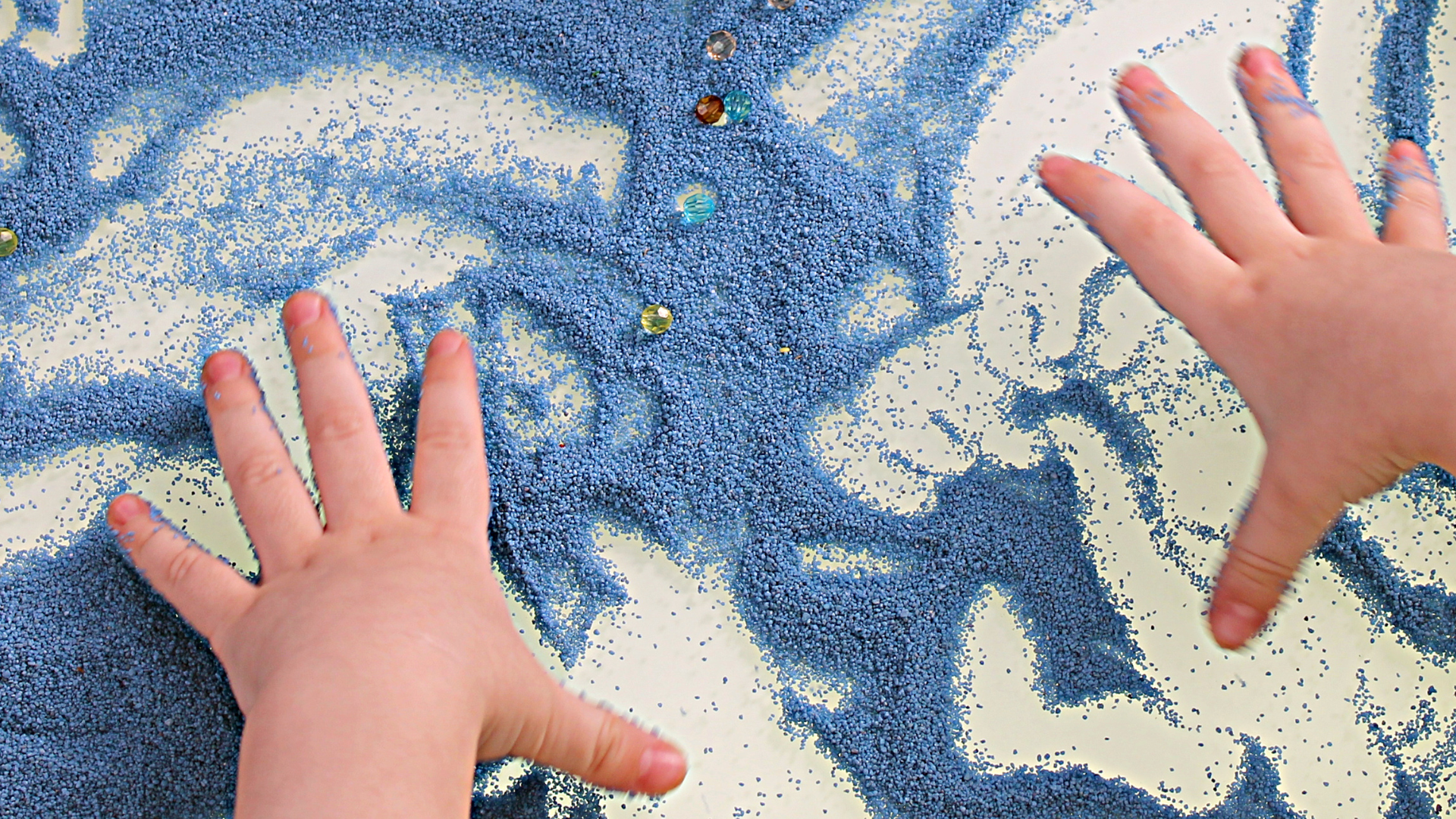
Communication does not begin with words. It starts with connection, sound play, and early back-and-forth moments that show how your child is learning to interact with their environment. These foundational skills develop throughout infancy and set the stage for expressive speech and language later on. When you understand these early steps, it becomes easier to recognize when extra support might be helpful.
How Babies Use Sound and Connection to Communicate
During the first months, babies usually show interest in voices, respond to familiar tones, and experiment with cooing. These sounds are not just cute moments. They represent your child discovering how their voice works. If your baby seems quieter, less reactive to voices, or less interested in early sound play, you may begin wondering whether additional support could help their early communication unfold more naturally. Exploring these signs early allows you to better understand your child’s unique path.
When Quiet or Inconsistent Vocalizations Raise Questions
Some babies vocalize less frequently or respond inconsistently to familiar sounds. These patterns do not necessarily indicate a problem, but they do provide valuable information. If you notice these cues, a closer look at early communication development can help you understand what your child needs. Support during this stage can give your baby more opportunities to explore sounds in ways that feel enjoyable and engaging.
Understanding Your Child’s Early Sound Preferences
Some children prefer quiet observation over vocal play. If your child consistently chooses observation rather than sound-making, you may feel unsure whether this preference is developmental or something more. Recognizing these tendencies early helps you make informed decisions about whether early guidance could help your child feel more confident engaging in sound-based interactions.
Babbling, First Gestures, and Emerging Words
Between six and twelve months, you may see your child experimenting with babbling, pointing, waving, or showing interest in familiar objects by name. These behaviors are stepping stones toward expressive speech. If babbling remains limited or gestures do not appear when expected, you may start to wonder whether communication is developing at a comfortable pace for your child. Understanding these patterns helps you respond with more intention and reassurance.
Significance of Early Gestures in Communication Development
Gestures such as waving, pointing, or showing objects help you understand how your child shares experiences. These gestures support early language because they show your child is trying to communicate long before words appear. When gestures are slow to emerge, it may be a gentle signal that your child needs more support exploring early communication pathways.
Supporting Children Who Are Slow to Develop First Words
Around your child’s first birthday, you may expect to hear early word attempts like simple names or familiar objects. When these words do not appear, it can create uncertainty about how communication is developing. Early speech therapy support can help your child explore sounds, gestures, and attempts at language in ways that feel playful and empowering. These early experiences help your child develop confidence as they begin forming meaningful words.
Recognizing Communication Differences During the Preschool Years
Toddlerhood and preschool are rich with language development. Your child may begin naming objects, forming simple sentences, and asking questions about the world. When communication does not progress as smoothly, you may feel unsure whether your child’s development is moving at an expected pace. Understanding the nuances of this stage can help you recognize when speech therapy in Ventura County may offer important support.

Noticing Challenges in Vocabulary Development
Vocabulary growth should feel steady and expansive during these years. If your child relies on a small set of words or struggles to learn new ones, you may notice communication becoming more challenging for them. Fewer words can make it harder for your child to express needs, share thoughts, or participate in conversations. Recognizing what makes word learning difficult gives you insight into whether additional help could boost their confidence.
When Word Retrieval Seems Difficult
Sometimes your child knows a word but struggles to recall it during conversation. This difficulty can appear as pauses, frustration, or substituting unrelated words. If you see these patterns often, exploring expressive language support may help your child communicate with greater ease. Addressing these early signs can make a meaningful difference in how confidently your child participates in interactions.
Supporting Children Who Use Gestures Instead of Words
Gestures are helpful early communication tools, but if gestures remain your child’s main form of expression beyond typical developmental ranges, it may signal difficulty accessing verbal language. Encouraging gentle word attempts during play can help your child begin bridging the gap between gestures and spoken language. With support, your child may feel more at ease experimenting with expressive words.
Understanding Differences in Early Sentence Building
As children begin forming sentences, you may notice their attempts become longer, clearer, and more expressive. If your child consistently uses very short phrases or avoids combining words, they may be struggling with expressive language development. This makes sharing ideas challenging and may lead to frustration when communication breaks down. Recognizing these patterns helps you determine when early guidance can support smoother communication.
How Play Reveals Communication Strengths and Challenges
Play offers a window into your child’s communication skills. During play, sentences become more natural, vocabulary expands, and your child practices conversation patterns without realizing it. If playtime rarely includes verbal communication or your child has difficulty engaging in back-and-forth interaction, these observations may help you understand where support could be helpful.
Observing Social and Behavioral Signs Connected to Communication Delays
Communication development is intertwined with emotional expression, behavior, and social engagement. Sometimes the most meaningful clues appear not in spoken words, but in how your child interacts with others, expresses frustration, or manages group settings. Understanding these signs can help you determine when speech therapy in Ventura County may offer valuable support.

Understanding Limited Use of Gestures, Eye Contact, or Shared Attention
Shared attention, eye contact, and simple gestures are early ways your child communicates interest and connection. If these behaviors appear infrequent or inconsistent, your child may be experiencing difficulty with the social foundations of communication. Recognizing these signs early allows you to support your child in building meaningful interaction patterns that contribute to language growth.
Difficulty Following Simple Directions or Everyday Routines
When your child struggles to follow simple instructions, you may wonder whether this is related to listening, understanding, attention, or communication. These moments can feel confusing, especially when your child appears otherwise engaged. Understanding how receptive language develops can help you recognize when extra support will make daily routines feel more manageable.
When Communication Attempts Lead to Frustration or Withdrawal
If your child becomes upset, avoids interaction, or shows hesitation during communication attempts, these behaviors may indicate difficulty expressing themselves. These emotional cues often appear before more obvious speech delays. Providing supportive experiences can help your child feel more confident approaching communication, reducing frustration and increasing participation.
Supporting Subtle Differences in Social Communication
Some children show interest in others but have difficulty interpreting social cues, maintaining shared play, or responding to language during interactions. These subtle communication differences may not be immediately obvious but can impact your child’s confidence in social situations. Gentle support can help your child understand how to navigate interactions with more ease.
How Emotional Expression Connects to Communication Development
When children cannot express their needs or feelings clearly, emotional moments can become more intense. You may notice increased frustration, difficulty transitioning, or challenges during group activities. Recognizing these patterns can help you understand how communication development influences emotional regulation.
Conditions We Treat Through Speech Therapy in Ventura County
When you begin exploring speech therapy in Ventura County, you may be unsure which communication challenges fall within the scope of speech services. Therapy Clubhouse supports a wide range of speech, language, and developmental needs, always approaching each child with a warm, nurturing, and individualized perspective. Communication develops differently for every child, and understanding the conditions that speech therapy can address helps you make informed, confident decisions. Our goal is to meet your child where they are and create a path toward clearer communication, strengthened connection, and joyful expression.
Treating Speech Sound Disorders and Pronunciation Challenges
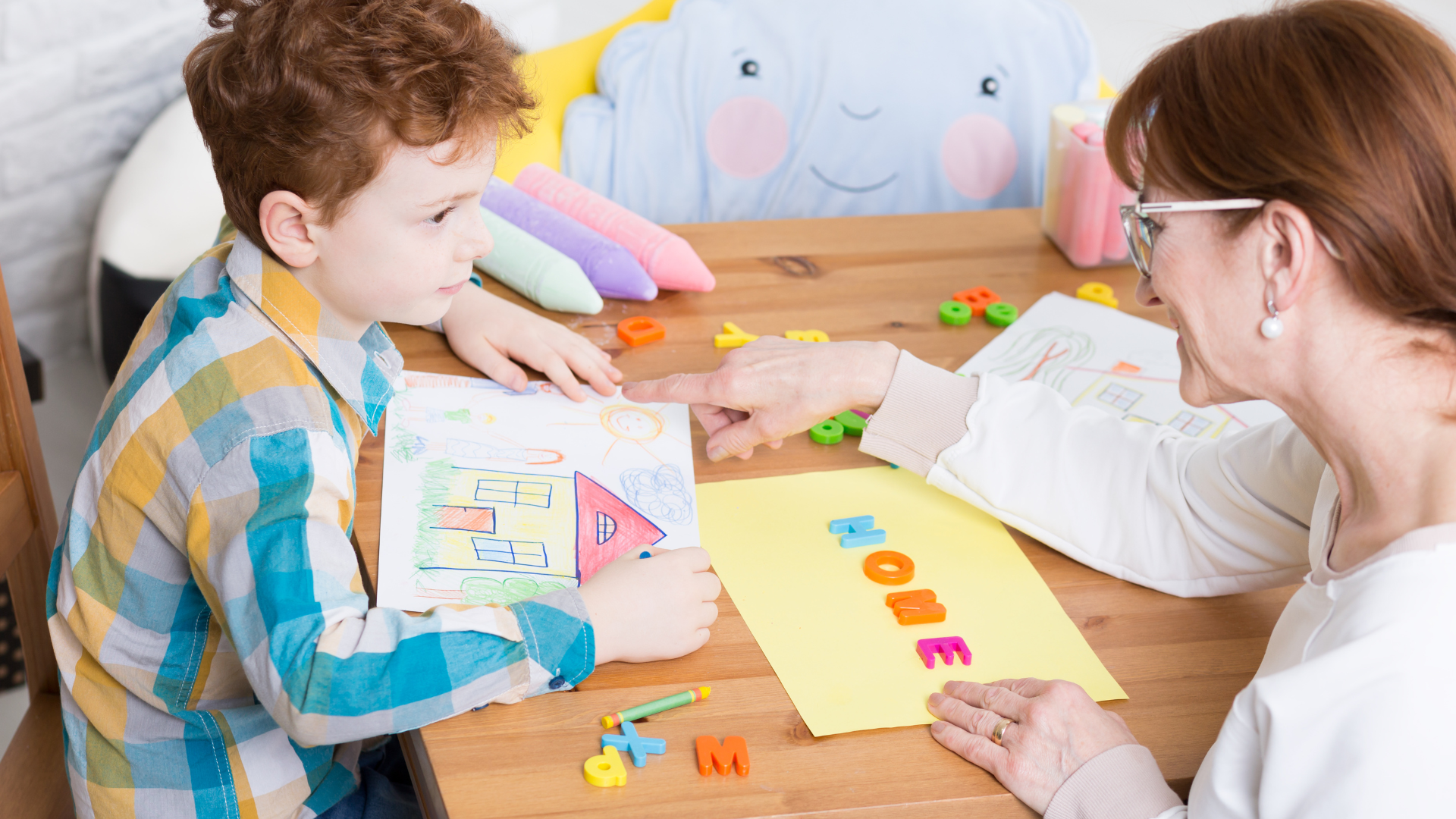
Speech sound disorders affect how your child forms the sounds that make up words. You may notice unclear speech, difficulty imitating sounds, or words that sound very different from how they should. These challenges can make daily conversations harder and may lead to frustration when your child tries to express themselves. Through gentle, engaging practice, your child can learn how to produce sounds with more accuracy and confidence.
Supporting Early Sound Formation and Awareness
Some children need extra support learning how their mouth, tongue, and breath come together to produce early consonants and sound combinations. These skills are foundational for clear speech later on. If these early steps feel challenging for your child, they may benefit from playful exercises that bring awareness to how sounds feel and how they are shaped. This awareness becomes an essential building block for more complex speech skills.
Understanding Variations in Early Speech Patterns
Children often explore sounds in unique ways. Some prefer repeating vowels, while others explore consonants more easily. If you notice mismatched or inconsistent patterns, therapy can help you understand what is typical and what might signal a need for extra support. Early guidance gives your child a comfortable starting point for future speech development.
When Sound Blending Becomes Difficult
Blending sounds into early words is a meaningful step. If your child attempts words that lose shape or clarity, they may benefit from structured yet playful practice. These experiences help them understand how individual sounds come together to create meaningful speech. As clarity develops, your child may become more confident sharing ideas during familiar routines.
Addressing Persistent Articulation Difficulties
Articulation refers to how clearly your child forms specific sounds. If your child struggles with certain consonants or consistently replaces one sound with another, they may find it harder to be understood in daily conversations. Therapy creates opportunities to refine these sound productions gently and effectively. As accuracy improves, your child experiences more successful communication and more positive interactions.
Understanding Phonological Disorders and Speech Patterns
Some children follow predictable but delayed speech patterns, such as simplifying words in ways that make them harder to understand. These patterns can persist longer than expected, affecting communication in school, play, and home life. Recognizing these patterns allows us to guide your child toward more mature speech habits that support clearer communication.
Helping Your Child Replace Old Patterns With New Skills
Replacing familiar speech habits takes time, repetition, and encouragement. Through songs, games, and playful tasks, your child practices new sound patterns that feel natural and achievable. As these new patterns take shape, speech clarity improves in ways you begin noticing throughout the day.
Supporting Receptive and Expressive Language Delays
Language delays affect how your child understands information or expresses their ideas. You may notice difficulty following directions, limited vocabulary, or challenges forming sentences. These delays can impact learning, social connection, and emotional expression, making support especially valuable. Therapy helps your child explore language in ways that feel attainable and encouraging.
Understanding Receptive Language Difficulties
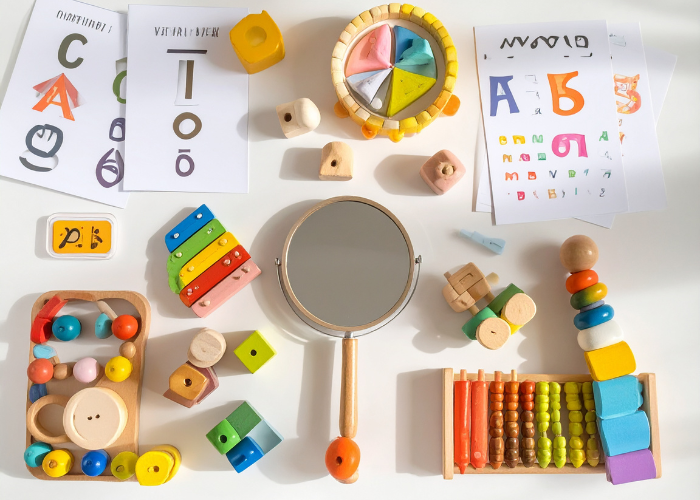
Receptive language refers to how your child processes and understands spoken words. If your child struggles to follow simple directions or seems confused by verbal cues, these signs may indicate difficulty interpreting language. Support in this area helps your child feel more comfortable and confident participating in everyday routines.
When Your Child Needs More Time to Process Verbal Information
Some children hear a direction but need extra time to understand what it means. You might interpret this as inattention, when in reality, your child is working hard to process language. Therapy helps build the skills required to make sense of spoken information, giving your child tools that reduce stress and support smoother participation.
Helping Children Expand Expressive Language Skills
Expressive language challenges make it difficult for your child to share thoughts, ideas, or feelings. You may notice short phrases, fewer words than expected, or challenges forming sentences. Through guided exploration, your child learns how to shape language in ways that feel empowering. These skills support communication throughout home life, school, and peer interactions.
Supporting Early Communicators Who Are Just Beginning Their Language Journey
Some children communicate mostly through sounds, gestures, or facial expressions. These early forms of communication are meaningful, but your child may need support turning them into words. Therapy nurtures early communication attempts and helps children discover new ways to express themselves. As your child gains confidence, you may notice more spontaneous attempts at communication.
How Play Encourages Expressive Growth
Play provides a natural space for language learning. During play, your child feels less pressure and more freedom to try new sounds or words. Through shared interactions, your child practices communication in ways that feel joyful and achievable. These early steps lay the foundation for longer phrases and richer communication.
When Your Child Struggles to Combine Words
Sentence formation is a developmental step that may require extra support. If your child uses mostly single words, therapy helps them explore how to link words together. This builds the foundation for more expressive storytelling, conversation, and social interaction.
Providing Therapy for Broader Developmental Conditions That Affect Communication
Communication is often influenced by broader developmental differences. Conditions such as autism, childhood apraxia of speech, intellectual disabilities, and global developmental delays can impact how your child understands language, forms speech, or engages socially. Therapy Clubhouse provides supportive, individualized approaches that respect your child’s strengths and meet their needs with sensitivity and warmth.
Supporting Children With Autism Through Developmentally Sensitive Strategies
Children with autism may communicate differently, relying on unique patterns of expression, sensory preferences, or social cues. Understanding how your child engages with the world helps tailor therapy in ways that feel supportive and soothing. These strategies help your child feel grounded as they explore communication at their own pace.
Helping Children With Apraxia Develop Motor Planning for Speech
Childhood apraxia of speech influences how your child plans and coordinates the movements required for speech. Therapy introduces small, consistent motor planning steps that help your child develop control over sounds, syllables, and words. Over time, these skills support clearer and more reliable communication.
When Speech Motor Planning Requires Extra Support
Some children need more predictable routines to develop speech motor skills. Therapy breaks tasks into manageable pieces so your child can practice them comfortably. As these skills strengthen, communication begins to feel more accessible and less overwhelming.
Supporting Children With Intellectual or Global Developmental Delays
Children with broader developmental delays may need extra support across multiple communication areas. Therapy adapts to your child’s learning pace, creating sessions that feel welcoming and achievable. Over time, your child may show increased participation, more engagement, and growing confidence across daily routines.
How Adjusting Pace and Presentation Helps Your Child Learn
Your child may need information presented slowly, gently, or in repeated steps. These adaptations help them feel capable and comfortable throughout the learning process. As they build success experiences, communication naturally becomes more consistent.
Advantages and Outcomes of Ventura County Speech Therapy
When you begin exploring speech therapy in Ventura County, you may feel curious about how therapy might shape your child’s communication and overall development. The benefits often unfold gradually yet meaningfully, showing up in moments throughout the day where your child becomes more expressive, more engaged, or more comfortable in their communication abilities. At Therapy Clubhouse, speech therapy supports the whole child. It strengthens communication, encourages confidence, supports emotional well-being, and helps your child feel more understood by the people around them. The outcomes reach far beyond clearer speech, creating positive shifts that you begin noticing across everyday routines.
How Early Speech Support Builds a Strong Foundation for Communication
Early childhood is a powerful window for communication growth. During these years, your child’s brain is especially responsive to language, sound patterns, and social interaction. When your child receives support during this stage, new skills often develop more smoothly, whether those skills relate to early sounds, emerging words, or social communication. Therapy becomes a place where your child learns through gentle encouragement and play, giving them meaningful experience with language that strengthens their long-term communication foundations.
Supporting Early Sound Development
Clear communication begins long before full sentences appear. When your child practices early sounds and learns how different movements create different speech patterns, they begin building the foundation needed for clearer words. These early skills grow naturally when therapy is playful and responsive to your child’s interests. As sound awareness becomes stronger, your child may show more interest in trying new words or repeating familiar ones during daily interactions.
Helping Your Child Experiment With Sound Patterns
Some children need extra time and support to understand how sounds work together. When your child feels encouraged to explore sounds through fun activities, it becomes easier for them to understand what their mouth and body need to do to create the sounds they want. This exploration makes communication feel less intimidating and more inviting.
Creating Early Success Experiences That Support Confidence
Each successful attempt at communication, whether it is a sound, a gesture, or a short phrase, reinforces your child’s belief in themselves. These early wins help communication feel exciting rather than overwhelming. When your child feels capable, they are more willing to try again, and each attempt strengthens the foundation for future speech and language skills.
How Speech Therapy Enhances Social Engagement and Meaningful Interaction
Speech therapy affects more than spoken language. It helps your child interact with the world more comfortably and confidently. When communication feels easier, social moments become more enjoyable. Your child may participate more willingly in play, respond more confidently to other children, or show more interest in sharing their thoughts. These changes help your child build relationships in ways that feel natural and positive.
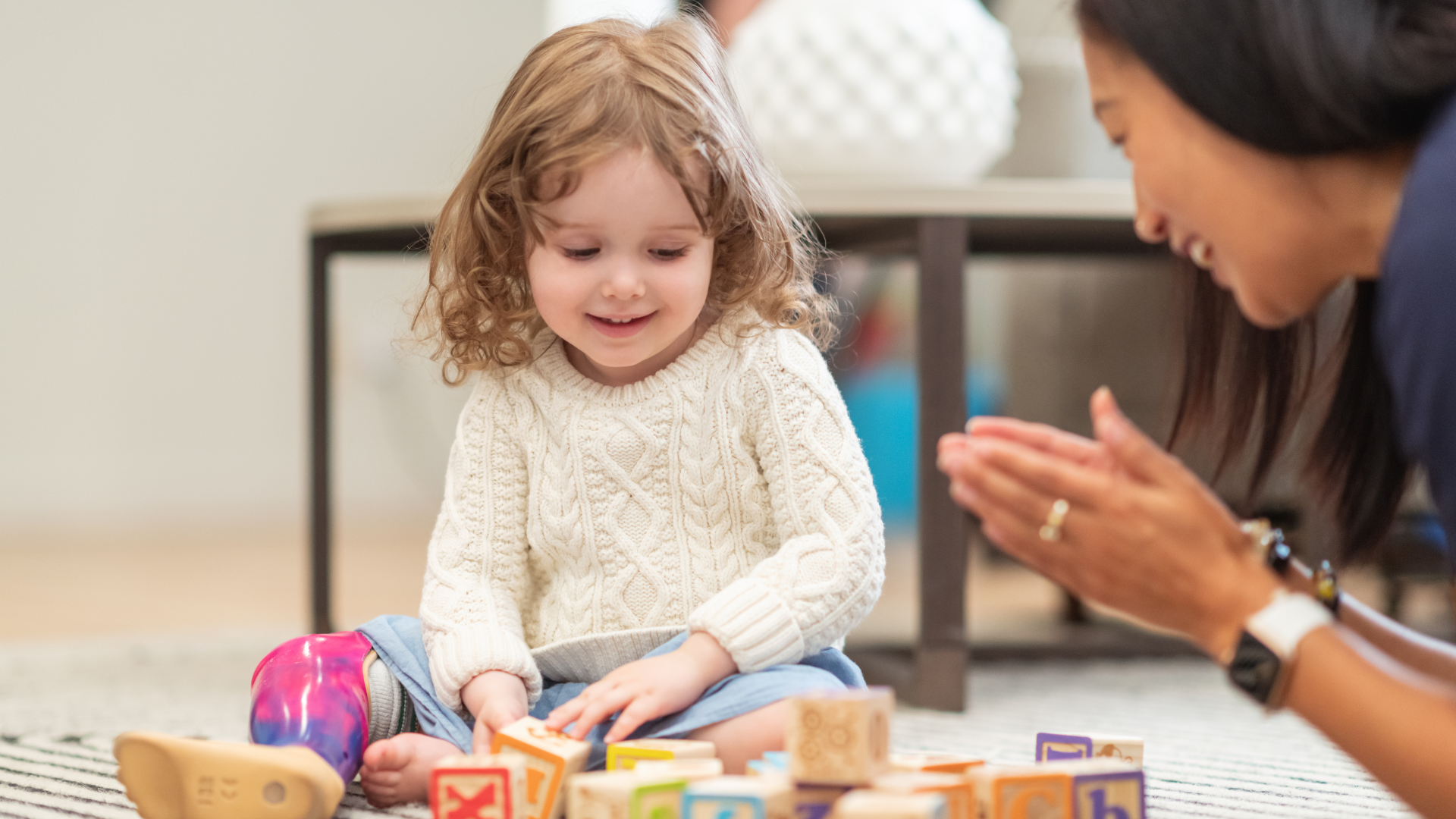
Supporting Social Communication Through Play
Play gives your child opportunities to learn how conversations work without feeling pressured. During play, your child practices turn-taking, sharing ideas, and responding to the people around them. These skills are essential for forming friendships and participating in group settings. Over time, these moments of connection make social interaction feel more predictable and rewarding.
Helping Your Child Engage More Comfortably in Group Settings
Some children shy away from group activities because communication feels challenging or unpredictable. When therapy strengthens expressive and receptive language, group experiences may begin to feel easier. Your child may participate more often, ask for help more comfortably, or respond more confidently when others speak. These shifts help your child experience greater connection during preschool, playgroups, or family gatherings.
Supporting Children Who Need Help Understanding Social Cues
Some children struggle to interpret tone, body language, or the natural rhythm of conversation. Therapy introduces these concepts in gentle, playful ways that help your child understand how communication flows. As these skills grow, your child gains more comfort navigating social moments that once felt confusing.
Encouraging Interaction Without Overwhelming Your Child
Some social situations feel too fast or too complex for young communicators. Adjusting the pace, structure, and expectations of interaction during therapy helps your child engage without feeling overstimulated. With time, these experiences increase your child’s comfort participating in social play and conversations.
Positive Changes You May Notice With Consistent Speech Therapy
As therapy continues, many children begin showing meaningful changes in how they communicate, respond, and participate in daily life. Some shifts are subtle, others are more noticeable, and all of them contribute to helping your child feel more confident expressing themselves. Communication becomes easier when your child feels supported, understood, and capable of trying new skills at their own pace.

Increased Participation in Daily Routines
You may notice your child showing more independence during everyday tasks such as meals, playtime, or getting ready for the day. When your child understands simple directions more clearly and communicates needs with more confidence, routines feel more manageable. These changes help your child navigate the world with more ease and help your days feel more connected and predictable.
Understanding and Expressing Needs More Clearly
When children struggle to express their needs, they may feel overwhelmed or frustrated. As communication skills grow, your child may begin sharing their needs more clearly, reducing confusion and emotional stress. This clarity helps you respond more effectively, creating smoother interactions and a more positive emotional environment for your child.
Supporting Emotional Well-Being Through Language
Communication plays a central role in emotional regulation. When your child begins expressing their thoughts more clearly, emotional moments become easier to navigate. Your child learns how to communicate when something feels difficult or when they need help. These early emotional communication skills support stronger self-regulation over time.
Stronger Connection and Interaction With You and Your Child’s World
Clearer communication strengthens relationships. You may notice more eye contact, more shared laughter, and more moments where your child initiates interaction. These moments deepen connection and help your child feel understood. As communication becomes easier, you see more of your child’s personality, preferences, humor, and imagination.
Supporting Sibling Interactions Through Clearer Communication
Communication challenges can sometimes cause misunderstandings between siblings. As communication improves, siblings often engage more easily in shared play. They create stories, take turns, and collaborate in ways that feel more natural. These shared interactions contribute to a warmer and more harmonious home environment.
Helping Your Child Feel More Confident in New Experiences
As your child gains communication skills, new environments such as parks, classes, or school may feel less intimidating. The comfort gained in therapy often carries over into new settings, helping your child participate more openly. These moments of exploration help your child feel capable and ready for growth.
Compassionate Speech Therapy Care in Ventura
Children grow best when they feel understood, supported, and safe. Our multidisciplinary team brings together experienced pediatric specialists who design therapy that feels encouraging—not overwhelming. Each session blends clinical expertise with a warm, relationship-based approach, helping your child make steady, meaningful progress. Whether your child struggles with speech clarity, language development, or emotional regulation, we guide your family with clarity and compassion every step of the way.
Private In‑Home Therapy Across Ventura County
Private in‑home pediatric therapy gives children the chance to grow in a space that already supports their emotional safety and confidence. Many of the developmental, behavioral, and communication skills we teach become stronger when practiced in the same rooms, routines, and family interactions a child relies on every day.
Schedule ConsultationWhat Parents Are Saying
Real stories from families who found clarity, hope, and meaningful progress through Therapy Clubhouse.
“We came in unsure of the future. The therapists saw his strengths immediately and guided us with patience. He’s speaking more, interacting more, and smiling in ways we hadn’t seen in months.”
— Parent, Ventura County★★★★★
“She used to get overwhelmed so easily. Now she’s calmer, coordinated, and proud of what she can do. Therapy Clubhouse has completely transformed daily life for our family.”
— Parent, Camarillo★★★★★
“Their guidance gave us clarity when we were overwhelmed. Our child finally has the tools to communicate and connect in ways we had only hoped for.”
— Parent, Thousand Oaks★★★★★
“We felt so supported from the very first session. The therapists truly understand kids and gave us strategies that made an immediate difference at home.”
— Parent, Simi Valley★★★★★
“Our therapist brought so much joy into learning. Our son now participates in group activities and shows confidence we never imagined possible.”
— Parent, Westlake Village★★★★★
“Therapy Clubhouse changed everything for our daughter. She feels understood, supported, and excited to learn. We are forever grateful for this team.”
— Parent, Newbury Park★★★★★
Proudly Serving Families Across Ventura County
From Thousand Oaks to Camarillo, Ventura, Simi Valley, and beyond — our pediatric therapists bring support, clarity, and hope to families throughout the region.
Schedule Your Free ConsultationUnderstanding Your Child’s Developmental Journey
Answers to the most important questions parents ask about pediatric therapy, early intervention, communication development, sensory needs, and in-home support.
What makes Therapy Clubhouse different?
Our multidisciplinary team collaborates across all specialties to create a personalized plan for each child. We focus on the whole child—not just a symptom.
How do I know if my child may need therapy?
If your child struggles with communication, behavior, sensory needs, or milestones, an evaluation gives you clarity and a guided path forward.
What happens during the free consultation?
We listen, learn your child’s strengths, and help you understand their needs. Many parents feel relief and renewed hope after this first conversation.
Do you offer in-home therapy?
Yes — learning at home reduces stress and lets therapists observe real routines, leading to faster, more meaningful progress.
What therapies do you provide?
Speech, OT, feeding therapy, early intervention, ABA-informed support, developmental therapy, and parent coaching — all in one place.
How does your team collaborate?
Therapists align goals across communication, sensory, emotional, and motor development to ensure unified support.
What is family-centered therapy?
We empower families with practical tools that make progress natural and easy to integrate into routines.
How do you support sensory needs?
We use sensory-informed activities that help children feel calm, regulated, and ready to learn.
What age groups do you serve?
We support toddlers through school-aged children, adapting therapy to match each child’s developmental stage.
Connect With Therapy Clubhouse for Speech Therapy in Ventura County
If you’re ready to explore and learn more about speech therapy in Ventura County that feels uplifting and child-centered, we would love to meet you. You can contact Therapy Clubhouse at (805) 624-3301 or reach out through our website to schedule a visit or ask us any questions. Your child’s voice matters, and we are here to support both them and you with care that feels personal, not clinical.

Therapy Clubhouse invites your family to join a community that cares deeply about your child’s future.
Schedule Your Free 15-Minute Consultation With Our Specialized Pediatric Therapists
2026 © Copyright Therapy Clubhouse. All Right Reserved.