
Fine motor skills play an essential role in a child’s ability to complete everyday tasks with confidence, independence, and control. When challenges related to hand strength, coordination, grasp, or precision occur, children may struggle with common activities such as writing, buttoning clothing, cutting with scissors, or using utensils during meals. These difficulties can impact not only academic performance but also self-esteem and willingness to participate in daily routines. Fine motor skill developmental therapy focuses on strengthening these foundational abilities through engaging, play-based, and age-appropriate activities that support coordination, dexterity, and endurance. By addressing these skills early, therapy helps children develop greater confidence and functional independence over time. Recognizing early signs that your child may need additional support allows families to seek guidance sooner, helping children build the skills they need for long-term success and everyday participation.
At Therapy Clubhouse, we use play-based and evidence-informed fine motor skill developmental therapy techniques to support each child’s unique strengths and developmental needs, so call us at (805) 624-3301 to connect with our team and learn how we can help your child build independence, coordination, and confidence through targeted developmental therapy.
How Fine Motor Skill Developmental Therapy Supports Everyday Independence
Fine motor skill developmental therapy plays a key role in helping children gain independence during everyday activities. These skills affect how children use their hands to interact with the world, complete tasks, and care for themselves. When fine motor development is supported intentionally, children can participate more confidently in routines at home, school, and in social settings. Over time, improved fine motor abilities contribute to greater self-reliance and reduced frustration.
Building Hand Strength and Coordination for Daily Tasks
Hand strength and coordination are foundational components of fine motor development. Developmental therapy focuses on strengthening the small muscles of the hands and fingers through purposeful, engaging activities. As these skills improve, children can complete tasks with greater control and efficiency. This progress supports independence across many areas of daily life.
Supporting Grasp, Control, and Precision
Therapists work on developing effective grasp patterns and refined hand movements. Activities target finger isolation, bilateral coordination, and controlled release. These skills are essential for tasks that require accuracy and endurance. As control improves, children experience greater success and confidence.
Improving Independence With Self-Care Activities
Fine motor skill developmental therapy directly supports self-care routines that children encounter every day. Skills such as buttoning, zipping, feeding, and grooming rely heavily on hand coordination and strength. Therapy addresses these skills in a structured yet playful way. As a result, children become more independent during daily routines.
Encouraging Confidence During Dressing and Mealtime
Therapists incorporate activities that mirror real-life self-care tasks. Practicing these skills in therapy helps children feel more capable at home. With consistent support, children require less assistance from caregivers. Therefore, independence increases naturally over time.
Supporting School Readiness and Classroom Participation
Fine motor skills are closely tied to school readiness and academic participation. Tasks such as writing, coloring, cutting, and manipulating classroom tools depend on hand control and endurance. Fine motor skill developmental therapy helps children develop the foundational skills needed for these activities. This preparation supports smoother transitions into structured learning environments.
Enhancing Handwriting and Tool Use
Therapy focuses on pre-writing and writing-related skills that support academic success. Children practice holding writing tools, controlling pressure, and maintaining endurance. These skills reduce fatigue and frustration during classroom tasks. Consequently, children can focus more on learning rather than struggling with mechanics.
Promoting Problem-Solving and Functional Play
Functional play activities provide opportunities to strengthen fine motor skills while supporting problem-solving and creativity. Therapy uses play-based tasks that require manipulation, construction, and coordination. These activities encourage exploration and persistence. Over time, play becomes a meaningful avenue for skill development.
Using Play to Strengthen Independence
Play-based fine motor activities feel motivating and achievable for children. Therapists select tasks that challenge skills without causing overwhelm. This balance supports engagement and learning. As skills improve, children become more independent during both play and daily activities.
Reducing Frustration and Building Self-Confidence
Difficulty with fine motor tasks can lead to frustration and avoidance. Fine motor skill developmental therapy helps children experience success through gradual skill-building. As tasks become easier, confidence grows. This positive experience encourages continued participation and independence.
Supporting Emotional Regulation Through Skill Mastery
When children feel capable, emotional responses to challenges often improve. Therapy provides consistent opportunities for achievement and reinforcement. This success supports motivation and resilience. Ultimately, children develop both the skills and confidence needed to navigate everyday tasks independently.
Signs Your Child May Benefit From Fine Motor Skill Developmental Therapy
Fine motor skill developmental therapy can provide meaningful support when children struggle with tasks that require hand strength, coordination, and precise movement. These challenges often appear during everyday activities at home, school, or play and may affect a child’s confidence and independence. Recognizing early signs allows families to seek support before frustration increases or skills fall further behind. Below are common indicators that fine motor skill developmental therapy may be beneficial.
Difficulty Holding or Using Writing Tools
Children who struggle to hold crayons, pencils, or markers may show signs of delayed fine motor development. An immature or awkward grasp can make drawing and writing tiring or frustrating. Over time, this difficulty may affect classroom participation and confidence. Fine motor skill developmental therapy helps strengthen grip and improve control.
Challenges With Cutting, Coloring, or Craft Activities
Difficulty cutting with scissors or staying within lines while coloring can signal coordination challenges. These tasks require precise hand movements and bilateral coordination. When children avoid crafts or become frustrated during these activities, support may be needed. Therapy helps build coordination through structured, play-based practice.
Trouble With Buttons, Zippers, or Fasteners
Self-care tasks like buttoning shirts or zipping jackets rely heavily on fine motor coordination. Children who struggle with these skills may depend on adult assistance longer than expected. This reliance can affect independence and self-esteem. Fine motor skill developmental therapy targets these skills through real-life practice.
Difficulty Using Utensils During Meals
Using forks, spoons, or opening food containers requires hand strength and coordination. Children who frequently spill, avoid utensils, or fatigue quickly during meals may benefit from additional support. These challenges can impact nutrition and mealtime routines. Therapy helps improve control and endurance for feeding tasks.
Poor Hand Strength or Endurance
Weak hand muscles can make everyday tasks feel exhausting. Children may complain of tired hands or stop activities prematurely. Limited endurance can affect writing, play, and self-care routines. Fine motor skill developmental therapy focuses on strengthening muscles gradually and safely.
Avoidance of Fine Motor Tasks
Children who consistently avoid drawing, puzzles, or building activities may be compensating for difficulty. Avoidance often develops when tasks feel too challenging or frustrating. Over time, this limits opportunities for skill development. Therapy helps reintroduce these tasks in a supportive and achievable way.
Difficulty Manipulating Small Objects
Challenges picking up small items like beads, coins, or puzzle pieces can indicate delays in finger coordination. These tasks require refined movements and finger isolation. Difficulty may affect play and classroom activities. Fine motor skill developmental therapy targets precision and control through hands-on activities.
Messy or Inconsistent Handwriting
Handwriting that is unusually messy, uneven, or slow may reflect fine motor challenges rather than lack of effort. Poor control can make writing labor-intensive and discouraging. This struggle may affect academic performance over time. Therapy supports handwriting readiness and writing mechanics.
Limited Bilateral Coordination
Bilateral coordination involves using both hands together effectively. Children who struggle stabilizing paper while writing or holding objects while manipulating them may show coordination difficulties. These challenges affect many daily tasks. Fine motor skill developmental therapy improves coordination through targeted activities.
Frustration or Emotional Responses During Hand-Based Tasks
Frequent frustration, meltdowns, or avoidance during fine motor tasks may indicate underlying skill difficulties. Emotional responses often develop when children want to succeed but lack the tools to do so. Addressing the skill deficit can reduce emotional stress. Therapy supports both skill development and confidence.
What Happens During a Fine Motor Skill Developmental Therapy Session
A fine motor skill developmental therapy session is structured to feel engaging, supportive, and purposeful for each child. Therapists focus on building skills through play-based activities that target hand strength, coordination, and precision. Sessions are individualized to align with the child’s developmental level and functional needs. This approach allows children to build skills while remaining motivated and confident.
Individualized Assessment and Skill Targeting
Each session begins with an understanding of the child’s current abilities and challenges. Therapists observe how the child uses their hands during play and structured tasks. These observations help determine which fine motor skills need support. As a result, therapy remains focused and effective.
Identifying Strengths and Areas for Growth
Therapists assess grasp patterns, coordination, endurance, and control during activities. Strengths are identified alongside challenges to create balanced therapy goals. This strengths-based approach supports confidence and engagement. Therefore, children feel encouraged throughout the session.
Play-Based Fine Motor Activities
Therapy sessions rely heavily on play-based tasks to build fine motor skills naturally. Activities may include puzzles, games, crafts, or hands-on manipulation tasks. These activities feel enjoyable while targeting specific developmental goals. Play-based learning supports sustained participation.
Using Purposeful Play to Build Skills
Therapists select activities that challenge fine motor skills without causing frustration. Tasks are adjusted in difficulty to maintain success. This balance supports gradual improvement. Consequently, children remain motivated and engaged.
Strengthening Hand Muscles and Coordination
Hand strength and coordination are addressed through targeted activities during each session. Therapists incorporate tasks that promote finger isolation and bilateral coordination. These exercises help children develop control and endurance. Over time, everyday tasks become easier.
Building Endurance Through Repetition
Repetition helps reinforce muscle memory and control. Therapists guide children through repeated movements in a supportive way. Breaks are provided as needed to prevent fatigue. Therefore, progress remains steady and manageable.
Supporting Skill Carryover Beyond Therapy
Therapists focus on skills that directly relate to daily routines. Activities are chosen to reflect real-life tasks children encounter at home or school. This approach supports generalization of skills. As a result, progress extends beyond the therapy session.
Sharing Strategies With Families
Caregivers often receive guidance on how to support fine motor development at home. Therapists explain activities that can be practiced during daily routines. This collaboration strengthens outcomes. Consequently, therapy becomes part of everyday life.

How Fine Motor Skill Developmental Therapy Improves School Readiness
Fine motor skill developmental therapy plays an important role in preparing children for classroom demands. Many school activities require strong hand control, coordination, and endurance. Therapy supports these foundational skills before academic expectations increase. This preparation helps children participate more confidently at school.
Supporting Classroom Tool Use
Children use many tools in school, including pencils, scissors, and manipulatives. Fine motor therapy helps children learn how to hold and control these tools effectively. Improved tool use reduces frustration during academic tasks. As a result, learning becomes more accessible.
Improving Grip and Control
Therapists work on appropriate grasp patterns and hand positioning. Activities strengthen finger muscles needed for tool use. Improved control supports accuracy and efficiency. Therefore, children feel more confident completing classroom tasks.
Enhancing Attention and Task Participation
When fine motor tasks feel difficult, children may avoid or disengage from activities. Therapy helps reduce physical effort required for these tasks. This support allows children to focus attention on learning rather than mechanics. Consequently, participation improves.
Reducing Fatigue During School Activities
Improved endurance allows children to complete tasks without frequent breaks. Therapy builds stamina gradually through structured activities. Reduced fatigue supports longer engagement. As a result, children remain involved throughout the school day.
Supporting Independence in the Classroom
Fine motor skills directly affect a child’s independence at school. Tasks such as opening containers, organizing materials, and completing assignments rely on hand coordination. Therapy targets these functional skills intentionally. Independence increases over time.
Encouraging Confidence With Classroom Routines
As children become more capable, confidence naturally improves. Therapy supports success during daily school routines. This confidence encourages participation and persistence. Therefore, children approach learning with greater self-assurance.
Preparing for Academic Skill Development
Fine motor readiness supports later academic skills such as writing and drawing. Therapy builds the foundation needed for these demands. Early preparation prevents future frustration. Ultimately, children enter learning environments better prepared.
Fine Motor Skill Developmental Therapy and Handwriting Development
Handwriting development relies on a combination of hand strength, coordination, motor planning, and visual control that must work together efficiently. When any of these areas are underdeveloped, children may struggle to write comfortably, clearly, or for sustained periods of time. Fine motor skill developmental therapy addresses each of these components intentionally to support writing readiness and long-term success. Rather than waiting until handwriting difficulties interfere with school performance, therapy focuses on building foundational skills early. This proactive approach allows children to develop the physical and motor skills needed for writing before academic demands increase, supporting confidence and academic participation over time.
Developing Pre-Writing Skills
Before children are expected to write letters or words, they must first develop strong pre-writing skills that support control and coordination. Fine motor skill developmental therapy focuses on activities that strengthen the ability to draw lines, curves, shapes, and patterns with purpose and accuracy. These skills help children learn how to control writing tools while maintaining proper posture and hand positioning. Progress is introduced gradually to ensure children feel successful while building readiness for formal handwriting tasks.
Strengthening Visual and Motor Coordination
Therapists incorporate activities that require children to visually track objects while coordinating precise hand movements. This visual-motor connection is essential for staying within lines, forming letters correctly, and spacing words appropriately. As coordination improves, children gain greater control over their movements and accuracy increases. Improved alignment and consistency help reduce future handwriting challenges. Over time, handwriting becomes more manageable and less effortful.
Improving Pencil Grasp and Control
An effective pencil grasp plays a critical role in writing comfort, endurance, and legibility. Fine motor skill developmental therapy helps children develop grasp patterns that support stability and control without excessive strain. Therapists guide children through activities that strengthen finger muscles while encouraging appropriate hand positioning. As control improves, children can write with greater precision and less fatigue. This support allows writing tasks to feel more achievable and comfortable.
Addressing Pressure and Consistency
Many children struggle with applying too much or too little pressure when writing, which can affect legibility and endurance. Therapists use targeted activities to help children develop better awareness of pressure control during writing tasks. These activities support consistent pencil pressure and smoother movement across the page. Improved consistency helps handwriting appear clearer and more organized. As a result, overall handwriting quality improves significantly.
Building Writing Endurance
Writing requires sustained effort that can be challenging for children with limited hand strength or coordination. Fine motor skill developmental therapy focuses on gradually building endurance so children can write for longer periods without discomfort. Activities are designed to increase duration and complexity over time while maintaining success. This structured progression helps children build stamina safely and effectively. Improved endurance supports classroom participation and academic expectations.
Reducing Frustration With Writing Tasks
As endurance increases, writing tasks begin to feel less physically demanding and less frustrating. Children experience greater success completing assignments and participating in classroom activities. Reduced frustration encourages children to remain engaged rather than avoid writing tasks. This positive experience supports persistence and motivation. Over time, children develop a more confident and relaxed approach to writing.
Supporting Confidence in Written Expression
Handwriting challenges can significantly impact a child’s confidence and willingness to participate in academic activities. Fine motor skill developmental therapy helps children feel capable and successful by addressing the underlying skills that affect writing performance. As handwriting becomes easier, children are more willing to express ideas through writing. Increased confidence supports participation in classroom discussions and written assignments. Ultimately, handwriting becomes a functional tool for communication rather than a barrier to learning.
How Fine Motor Skill Developmental Therapy Supports Self-Care Skills
Fine motor skill developmental therapy plays an important role in helping children gain independence with everyday self-care activities. Tasks such as dressing, feeding, grooming, and hygiene rely heavily on hand strength, coordination, and precise movement. When fine motor skills are underdeveloped, these routines can become frustrating and time-consuming for both children and caregivers. By targeting the underlying skills needed for self-care, developmental therapy helps children participate more confidently and independently in daily routines.
Improving Independence With Dressing Skills
Dressing requires a combination of fine motor coordination, bilateral hand use, and motor planning. Fine motor skill developmental therapy supports children as they learn to manipulate clothing fasteners and manage complex hand movements. Therapy focuses on breaking these tasks into manageable steps that feel achievable. Over time, children gain greater independence and confidence during dressing routines.
Supporting Buttons, Zippers, and Fasteners
Manipulating buttons, zippers, snaps, and Velcro requires precise finger movements and hand strength. Therapists use targeted activities that mimic these motions in a playful and supportive way. Repeated practice helps children develop control and accuracy. As these skills improve, children rely less on adult assistance during daily routines.
Enhancing Feeding and Utensil Use
Self-feeding is another area that depends heavily on fine motor development. Using utensils, opening containers, and managing food textures require coordination and endurance. Fine motor skill developmental therapy helps children build the skills needed to eat more independently. This support improves mealtime participation and confidence.
Building Control and Endurance for Mealtime Tasks
Therapists incorporate activities that strengthen grasp and wrist stability to support utensil use. Children practice movements that improve scooping, stabbing, and controlled release. Improved endurance allows children to complete meals without fatigue. Consequently, mealtime becomes a more positive and successful experience.
Supporting Grooming and Hygiene Routines
Grooming tasks such as brushing teeth, washing hands, and brushing hair require controlled hand movements and sequencing. Fine motor skill developmental therapy addresses these skills through structured practice and repetition. Therapists help children develop the coordination needed to manage these tasks independently. Over time, hygiene routines feel more manageable and consistent.
Encouraging Independence Through Repetitive Practice
Repetition helps children build confidence and consistency with grooming skills. Therapists introduce tools and motions similar to those used at home. This familiarity supports carryover into daily routines. As a result, children feel more capable managing personal care tasks.
Reducing Frustration During Daily Routines
When self-care tasks feel difficult, children may experience frustration or avoidance. Fine motor skill developmental therapy helps reduce these emotional responses by improving skill proficiency. As tasks become easier, children feel more successful and motivated. This positive experience supports emotional regulation and persistence.
Building Confidence Through Gradual Skill Mastery
Therapists design activities that allow children to experience success at each stage of skill development. Gradual progression helps prevent overwhelm and supports steady improvement. Confidence grows as children master new abilities. Therefore, self-care routines become opportunities for independence rather than stress.
Supporting Carryover Into Home and School Environments
Fine motor skill developmental therapy focuses on skills that transfer directly into real-life settings. Therapists work closely with families to ensure strategies can be practiced consistently at home. This collaboration supports generalization of skills beyond therapy sessions. Over time, children demonstrate greater independence across environments.
Empowering Families With Practical Strategies
Caregivers receive guidance on how to support self-care skill development during daily routines. These strategies fit naturally into dressing, feeding, and hygiene activities. When families reinforce skills consistently, progress accelerates. Ultimately, fine motor skill developmental therapy helps children build lasting independence in everyday life.
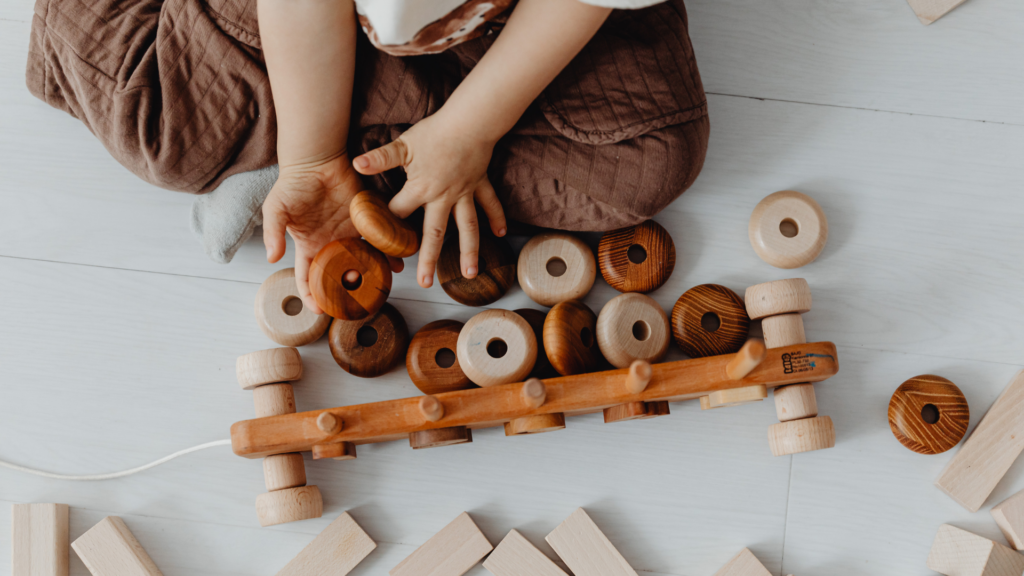
How Developmental Therapy in Ventura County Makes a Difference in Your Child’s Development
Developmental therapy in Ventura County provides children with individualized support during critical stages of growth and learning, when early skills form the foundation for future development. By focusing on each child’s unique developmental profile, therapy addresses areas such as communication, motor coordination, social interaction, and emotional regulation in a structured yet flexible way. Therapists carefully assess strengths and challenges to design targeted interventions that align with real-life needs and daily routines. This personalized approach allows challenges to be addressed early, while also reinforcing existing abilities that support confidence and progress. As a result, children receive therapy that feels purposeful, engaging, and directly connected to their everyday experiences at home and in social settings.
In addition, developmental therapy services in Ventura County place strong emphasis on collaboration between therapists, families, and educators to support consistent progress across all environments. Caregivers receive ongoing guidance, education, and practical strategies that can be implemented during daily routines, playtime, and learning activities. This collaborative approach ensures children experience continuity and predictable support rather than isolated skill practice. When strategies are reinforced consistently, children are better able to generalize skills and apply them in real-world situations. Over time, developmental therapy helps children build the foundational skills necessary for independence, academic readiness, emotional resilience, and long-term success.
Get Your Child Support from an Experienced Developmental Therapist in Camarillo
At Therapy Clubhouse, we provide compassionate, individualized developmental therapy designed to support children at every stage of growth in Camarillo and throughout Ventura County. Our experienced therapists take the time to understand each child’s unique strengths, challenges, and developmental goals before creating personalized therapy plans. Through play-based and evidence-informed approaches, we help children build skills related to communication, motor coordination, social interaction, and emotional regulation. Our supportive environment allows children to feel comfortable, confident, and motivated as they work toward meaningful progress.
We believe families play an essential role in a child’s developmental journey, which is why we partner closely with parents throughout the therapy process. Our team provides clear communication, practical strategies, and ongoing guidance to ensure progress continues beyond therapy sessions. If you’re looking for an experienced developmental therapist in Camarillo who prioritizes individualized care and family collaboration when it comes to developmental therapy, we’re here to help. Call us today at (805) 624-3301 or reach out online to schedule a consultation and take the next step in supporting your child’s growth and development.