

Sensory Processing Disorder Treatment at Therapy Clubhouse is built for kids who experience the world more intensely or more quietly than the people around them. Some children avoid touch, noise, or movement and seem to “shut down” when things feel like too much. Others are constantly moving, crashing, or seeking strong sensations just to feel okay. In Ventura County, families often reach out after years of clothing battles, hair brushing tears, grocery store meltdowns, or a child who seems out of sync with their surroundings. Our team does not see those moments as “bad behavior.” We see them as a nervous system doing its best without the right support. Inside our bright, 5,000 square foot clubhouse, licensed Occupational Therapists use Sensory Integration based treatment to help your child’s brain organize sound, touch, movement, and other input in a safer, more comfortable way, so life at home, at school, and in the community feels less overwhelming.
What makes Therapy Clubhouse different for sensory processing disorder treatment is the way sensory processing work is woven into a full pediatric team. Many children with sensory processing challenges also live with autism, ADHD, anxiety, or big emotional reactions. Here, Sensory Integration and Occupational Therapy can be coordinated with Speech Therapy, Emotional Regulation Therapy, children’s behavioral therapy, Parent Child Interaction Therapy, and even Applied Behavior Analysis when a family has been searching for therapy in Ventura. Our therapists share information, align goals, and translate clinic gains into simple, real world strategies you can use in Ventura, Thousand Oaks, Oxnard, Camarillo, and everywhere your child goes. You get one welcoming clubhouse, one connected plan, and a team that explains things in clear, parent-friendly language while celebrating every small shift toward a calmer, more confident life.
Wondering if your child’s sensory struggles might be more than a phase? Call Therapy Clubhouse at (805) 624-3301 to schedule a consultation. We would be honored to meet your family, listen to your story, and help your child take their next steady, hopeful step.
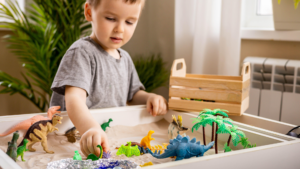
Sensory Processing Disorder is a pattern of challenges that happens when a child’s brain has trouble receiving, organizing, or responding to information from the senses. Everyday input, like clothing touching skin, noises in a classroom, the motion of a car ride, or the chaos of a birthday party, can feel either far too intense or barely noticeable. Kids with sensory processing differences are not trying to be difficult. Their nervous system is working overtime to make sense of the world. Many families come to Therapy Clubhouse after months or years of confusing behaviors that do not respond to typical parenting strategies. Treating Sensory Processing Disorder helps us understand what your child’s brain and body are trying to do, then gently support those systems so life at home, at school, and in the community feels more comfortable and less overwhelming.
For many children, Sensory Processing Disorder shows up long before anyone has a name for it. Parents often describe a child who melts down over clothing tags, refuses certain foods, avoids swings and slides, or crashes into everything in sight. These kids may seem brave one minute and terrified the next. They might tire easily in busy environments or appear “wired” and unable to slow down. At Therapy Clubhouse, our first goal is to listen to these real world stories and help you see how sensory processing can be driving what you see every day.
Some children experience sensory input as “too loud,” “too bright,” or “too much.” They may cover their ears, hide behind you in new places, cling during haircuts, or refuse clothing that most kids tolerate easily. What looks like stubbornness or shyness can be a nervous system trying hard to protect itself from overload. Our approach to Sensory Processing Disorder at Therapy Clubhouse helps these children slowly build comfort around touch, sound, and movement, using Sensory Integration based activities that respect their limits while gently expanding what feels possible.
Other children barely seem to notice input that would bother most people. They may bump into walls, fall out of chairs, chew on clothing or objects, spin constantly, or seem to need “more” of everything to feel okay. Adults might see them as “too wild” or “always on the go,” when their brain is actually searching for more feedback to stay focused and grounded. Our team uses targeted movement, deep pressure, and play based challenges to give these kids the right kind of input in safe ways, then teach them how to use that regulation in daily activities.
Sensory Processing Disorder is not one single pattern. It can affect how a child experiences touch, sound, sight, movement, body awareness, taste, and smell. Some kids are very sensitive in one area and under-responsive in another. Others struggle most with knowing where their body is in space or how much force to use when they move. At Therapy Clubhouse, we look across all of these systems so we can understand your child as a whole person, not just a set of behaviors.
Children with sensory discrimination challenges may have trouble telling where their body is in relation to people or objects. They might bump others without realizing it, grip pencils too tightly, or trip over their own feet. Balance and body awareness systems are closely tied to the inner ear and muscles, so movement based Sensory Processing Disorder Treatment often targets these areas. In our Ventura County clubhouse, Occupational Therapists use swings, climbing, obstacle courses, and heavy work activities to build more accurate information for the brain, which can translate into smoother movement and better coordination in real life.
Some kids feel light touch as startling, hear background sounds as painfully loud, or become exhausted by bright, busy spaces. This can make classrooms, stores, and social gatherings especially draining. By pairing gradual exposure with calming strategies and clear routines, our therapists help children learn how to handle these environments with more confidence. We share practical ideas with families and teachers so that the same support shows up wherever your child spends time.
Parents often ask what changes they might see when Sensory Processing Disorder Treatment is working. Every child is different, but many families across Ventura County describe a similar kind of relief. Morning routines start to feel less explosive. Hair brushing, dressing, or bath time becomes more manageable. Outings are still imperfect, but they no longer feel impossible. Most importantly, children begin to feel more comfortable in their own skin, which opens the door to better learning, play, and connection.
With consistent therapy, parents often notice fewer meltdowns tied to sensory triggers, more willingness to try new activities, and better recovery when something feels hard. Teachers may see improved focus, smoother transitions, and less disruptive behavior in the classroom as regulation improves. For children with autism or ADHD, sensory work can support other therapies by making it easier for them to participate in speech, Applied Behavior Therapy, or CBT for kids. At Therapy Clubhouse, we track these gains in concrete, parent friendly terms so you can see what is changing, not just hope that something is different.
The benefits of Sensory Processing Disorder Treatment are strongest when sensory work is part of a connected plan. That is why our Occupational Therapists collaborate daily with speech therapists, behavior specialists, and mental health providers at Therapy Clubhouse. Families who arrive after searching for applied behavior therapy near Ventura often discover that sensory processing, behavior, and emotions are tightly linked for their child. When Sensory Integration, behavioral support, and emotional regulation strategies are aligned, kids are more likely to use their skills at home, at school, and in the community. Our team walks with you through this process, adjusting the plan as your child grows, and celebrating each step toward calmer, more confident days.

Sensory processing difficulties often hide in plain sight. They rarely show up as a child saying “this light is too bright” or “this noise hurts my ears.” Instead, they appear as clothing battles, “overreactions,” constant movement, or a child who seems exhausted or shut down after ordinary activities. Many parents come to Therapy Clubhouse after trying sticker charts, reward systems, or new routines, only to find that nothing really changes the underlying struggle. Sensory Processing Disorder Treatment helps families understand that these patterns are not defiance or “bad behavior.” They are signs that a child’s nervous system is working very hard to sort out sound, touch, movement, and visual input. Once we can see those signs clearly, our therapists can use Sensory Integration based treatment and Occupational Therapy to give kids more comfort and control in everyday life.
For many families in Ventura, Thousand Oaks, Oxnard, and Camarillo, the earliest clues appear in the simplest parts of the day. Your child might refuse certain clothes, cry over socks or tags, gag at specific textures of food, or become inconsolable during grooming. Another child may crash into furniture, jump from high places, or spin without getting dizzy. These patterns often feel confusing because they are so consistent. You might start planning your whole routine around avoiding triggers, without realizing that what you are seeing are common signs of sensory processing differences. We take these everyday stories seriously and use them as a roadmap for Sensory Processing Treatment that actually fits your child’s world.
Some children with sensory processing difficulties are constantly on the move. They may climb, crash, bump into others, or make loud noises without noticing how it affects people around them. Parents in Ventura County often describe these kids as “always going” or “never able to sit still,” especially in restaurants, waiting rooms, or classrooms. From a sensory perspective, their nervous system may be under-responsive and looking for more input just to feel regulated.
Our knowledgeable therapists do not try to shut down this movement. Instead, we use Sensory Integration informed activities to give that big energy a safe place to go. In treatment sessions, children can push, pull, jump, and climb in a controlled way that feeds their sensory system and prepares them for quieter tasks. Over time, this can make it easier for them to sit for short periods, participate in school, and use their bodies more safely at home and in the community.
Another common sign of sensory processing difficulties is intense sensitivity to everyday care routines. A child may scream when water hits their face, refuse hair brushing, or only tolerate one specific type of clothing. What looks like stubbornness often reflects a nervous system that experiences touch or temperature more intensely than most people do. Families in Ventura, Thousand Oaks, Oxnard, and Camarillo tell us about long mornings, tears at bath time, and constant negotiations about what their child will wear.
Light touch can feel startling or even painful for some children with sensory processing challenges. They may pull away from hugs, avoid crowded spaces, or refuse activities that involve messy hands or feet. When these patterns show up across different settings, it is often a sign that deeper sensory support is needed. At Therapy Clubhouse, our Occupational Therapists use sensory based treatment and gentle exposure to help children gradually feel safer with touch while always honoring their limits.
Treatment does not mean forcing kids to “get over it.” Instead, we layer sensory input carefully, pair it with calming strategies, and work at a pace that keeps your child engaged. Over time, families in Ventura County often notice less distress during dressing, grooming, and hygiene, along with more confidence as their child realizes they can handle sensations that once felt impossible.
Sensory processing difficulties do not just affect the body. They often affect behavior and emotions as well. A child who appears defiant, impulsive, or easily upset may be reacting to sensory overload or under stimulation. They might melt down at the end of school, refuse to enter certain rooms, or go from calm to furious when plans change. From the outside, it can look like “big behavior.” On the inside, it is often a nervous system that has reached its limit.
In Ventura County classrooms and homes, children with sensory challenges may be labeled as “dramatic,” “lazy,” or “too much.” They might avoid gym class, panic in loud assemblies, or collapse after holding it together all day. At Therapy Clubhouse, our role is to look past the label and ask what their senses are experiencing. When we understand that a child is flooded by noise or drained by constant visual input, we can design Sensory Processing Disorder Treatment that addresses the real problem instead of just reacting to the behavior.
Our team shares simple language and strategies with parents and, when appropriate, teachers in Ventura County so that everyone understands the sensory side of behavior. When needed, we coordinate with other services, such as Applied Behavior Therapy near me in Ventura, so that sensory supports and behavior plans match. This shared understanding helps reduce shame for the child and frustration for the adults, and opens the door to more consistent, compassionate support.
Recognizing these signs early and seeking Sensory Processing Disorder Treatment can make a meaningful difference in your child’s daily life. Instead of feeling confused or blaming yourself, you gain a clear framework for what is happening and what to do next. Children start to experience their bodies and the world as a little less overwhelming, which often leads to more participation in play, learning, and family routines. Families tell us that having a name for what they are seeing, along with a plan, brings immediate relief.
With consistent support, parents may see fewer meltdowns triggered by sound or touch, more flexibility around clothing and grooming, and more success during outings that used to feel impossible. Kids often gain confidence as they realize they can handle new experiences with the right tools. For some families, sensory treatment also makes it easier for their child to take part in other therapies, such as speech services, Sensory Integration and Occupational Therapy or CBT because their nervous system is better supported.
At Therapy Clubhouse in Ventura County, our therapists are trained to spot these signs, explain them in parent friendly language, and build a plan that feels realistic. We do not expect you to solve sensory processing difficulties on your own. Together we turn puzzling behaviors into understandable patterns and use play based, evidence informed treatment to help your child feel safer, more organized, and more ready to grow.
Evidence based Sensory Processing Disorder Treatment means your child is not just “trying things” to see what helps. At Therapy Clubhouse in Ventura County, our team uses research-informed approaches, clear goals, and ongoing tracking so you can see how therapy is supporting your child over time. Treatment often starts with Sensory Integration based Occupational Therapy, then expands to include home strategies, school collaboration, and, when helpful, emotional or behavior support. Families are guided through a plan that is tailored to their child’s unique sensory profile, not a one-size-fits-all protocol. The goal is simple. To help your child’s brain and body work together more smoothly so everyday life feels calmer, safer, and more manageable.
The core of treatment at Therapy Clubhouse is Occupational Therapy that uses Sensory Integration principles to support how the brain processes touch, movement, sound, and other input. Sessions take place in our carefully designed sensory spaces, where swings, climbing equipment, and deep pressure tools are used in specific ways to help the nervous system learn more organized responses. Your child is not just playing. They are experiencing a planned sequence of activities that match their sensory needs and treatment goals.
Each activity is chosen with purpose. A balance task might target body awareness, while a deep pressure game can help build a sense of calm and groundedness. Your child may practice moving between high energy play and quiet time so their nervous system learns to shift gears more easily. This makes Sensory Processing Disorder Treatment feel both fun and meaningful. Children are motivated by play. Therapists are guided by clinical reasoning.
We do not ask you to rely on vague impressions. Our Occupational Therapists set clear goals and use both observation and simple tracking tools to measure gains. Over time, this might look like less distress during grooming, more willingness to try new activities, or increased ability to participate in group settings. We review progress with you in plain language so you can see how therapy is helping, not just hope that something is changing.
When treatment is grounded in evidence and tailored to your child, the benefits reach far beyond the therapy room. Families often tell us that life feels more predictable, more connected, and less dominated by sensory battles. Children begin to understand their own bodies better, which opens the door to stronger self advocacy and more confident participation in daily routines.
As sensory processing becomes more organized, kids often show more comfort with clothing, grooming, and new environments. They may be able to join family outings that once felt impossible or take part in school activities with less fear and fatigue. With support, many children gain independence in tasks like dressing, feeding, and play, which reduces stress for caregivers and boosts a child’s sense of pride. Evidence based Sensory Processing Disorder Treatment gives these gains a solid foundation instead of leaving them to chance.
The benefits of treatment are strongest when they show up everywhere your child goes. That is why our team shares strategies for home, school, and community settings in Ventura County. We help you and, when appropriate, teachers understand which sensory tools work best and how to use them consistently. Over time, this coordinated support helps your child carry their skills from the clubhouse into classrooms, playgrounds, and everyday routines.
Sensory challenges often overlap with big feelings and behavior struggles. A child might act out when overwhelmed, shut down when anxious, or have trouble following directions because their body feels disorganized. At Therapy Clubhouse, Sensory Processing Disorder Treatment can be integrated with other services when that makes sense for your child. Our team includes behavior specialists and mental health providers who understand how sensory, emotional, and behavioral needs fit together.
For some families, especially when autism or significant behavior concerns are part of the picture, we combine sensory work with Applied Behavior Therapy near me in Ventura or nearby communities, as well as CBT for kids when emotional regulation is a key need. Sensory strategies from Occupational Therapy help the nervous system feel safer and more regulated. ABA or CBT can then focus on teaching coping skills, communication, and practical behavior tools. Therapists share goals and updates so that everyone is working from the same understanding of your child’s needs.
Parents and caregivers are essential members of the treatment team. Throughout Sensory Processing Disorder Treatment at Therapy Clubhouse, we explain what we are doing, why it matters, and how you can support it in daily life. That might mean small changes to routines, simple regulation activities you can weave into the day, or new ways of responding when your child looks overwhelmed. Families in Ventura County are never expected to figure this out alone. Our skilled therapists walk beside you, turning evidence based knowledge into everyday strategies that help your child grow with more comfort, confidence, and connection.
When your child’s world is shaped by sensory overload, constant seeking, or endless battles over clothes, grooming, or outings, it can start to feel like every day is built around avoiding the next meltdown. At Therapy Clubhouse of Ventura County, we see those moments for what they are, a sign that your child’s nervous system is working very hard without enough support, not a reflection of who they are or how much you care. Inside our bright, sensory rich clubhouse, licensed Occupational Therapists use Sensory Integration based treatment to help your child’s brain and body communicate more smoothly. We listen carefully to what life looks like in your home, then translate that into a personalized plan that helps your child feel safer in their own skin, more comfortable in busy spaces, and more capable in daily routines. Whether you live in Ventura or drive in from Thousand Oaks, Oxnard, or Camarillo, you step into a place where your questions are welcomed, your child is understood, and progress is measured in real changes you can feel.
Because Therapy Clubhouse is a multidisciplinary pediatric center, Sensory Processing Disorder Treatment does not happen in isolation. Sensory work can be coordinated with Speech Therapy, Applied Behavior Analysis, CBT, ERT, and PCIT when those supports are helpful. Our therapists talk with each other and with you so that sensory strategies, behavior plans, and school recommendations point in the same direction instead of competing. You get one connected plan, set in a warm, playful environment, and a team that explains each step in clear, parent friendly language while celebrating every small win along the way. Over time, those small wins add up to calmer mornings, more confident outings, and a child who starts to believe, “I can handle this.”
Call Therapy Clubhouse at (805) 624-3301 to schedule a consultation. Let’s discuss if Sensory Processing Disorder Treatment is right for your child.