
Early intervention can change the entire trajectory of a child with autism, and it often begins with understanding, patience, and the right support.
Our autism and early intervention therapy in Ventura County offers families a supportive, individually tailored approach to their children’s developmental needs. Often, parents begin to search for advice and resources after noticing small patterns within their child’s behavior. These differences can appear during communication, play, sensory responses, or daily routines. Early intervention therapy provides gentle, structured guidance that helps children build meaningful developmental foundations during their early years, building off their existing strengths and working around their personality. At Therapy Clubhouse, these services are shaped around each child as an individual, aiming to build a comforting space where they have the opportunity to grow skills without feeling pressured.
If you’re looking to explore what early intervention may look like for your child, you’re not alone. Our team is here to work with you and help you understand your child’s strengths, challenges, and buildable skills with a gentle, child-led approach. To learn more about how we may be able to support you and your child, you can reach out to us at (805) 624-3301 to speak with our team and ask us any questions. We understand how important your child’s comfort and personality is, and our clinic offers a meaningful way to support your child’s growth without asking them to change who they are.
When you start searching for information about autism and early intervention therapy in Ventura County, you may find yourself sorting through unfamiliar terms, differing opinions, and a wide range of advice. This can be a lot to take in when all you want is a clear understanding of how to support your child. Autism is a neurodevelopmental difference that affects the way children communicate, interact, regulate, and respond to their world. Early intervention provides structured, warm, and developmentally aligned support that helps your child build skills in ways that feel comfortable and meaningful. It’s not about changing who your child is, but rather helping them navigate their environment with more ease, confidence, and connection.
Autism is not a single profile. It is a spectrum that encompasses a wide range of strengths, challenges, and developmental patterns. Some children show early communication differences, while others experience sensory sensitivities or unique social interactions. Understanding these signs helps you make sense of your child’s needs without judgment or fear. Early intervention meets your child where they are, offering support that respects their individuality while nurturing growth in areas that feel hard for them.
Early intervention therapy provides structured, developmentally informed support during the years when a child’s brain is most open to learning. It focuses on communication, regulation, play, imitation, joint attention, and early relational skills. At Therapy Clubhouse, sessions are warm, playful, and child-led, designed to help your child feel understood and supported rather than rushed or overworked. The goal is not to teach your child to behave like someone else. It is to help them build skills that make daily life more accessible and enjoyable.
Early intervention can be profoundly helpful because the first years of life are rich with learning, exploration, and brain development. During this time, children form communication pathways, sensory patterns, motor skills, and emotional strategies that influence later learning. Providing support early allows your child to build foundational skills that prepare them for social interaction, independence, and academic readiness. When a child receives supportive intervention early, they gain tools that influence how they approach challenges, relationships, and new environments.
If you have started noticing differences in how your child engages with the world, it’s natural to wonder what these signs might mean. You may see moments during play or daily routines that feel different from what you expected, and sometimes it can be difficult figuring out whether these are simply variations in personality or signals that your child could use extra support. Autism and early intervention therapy in Ventura County can provide answers and resources for both you and your child. Rather than labeling or limiting your child, early intervention creates space for understanding, connection, and meaningful developmental support that honors who your child is. The environment itself becomes part of the therapeutic process. When children feel safe and inspired by their surroundings, they participate more openly and discover new abilities through exploration.
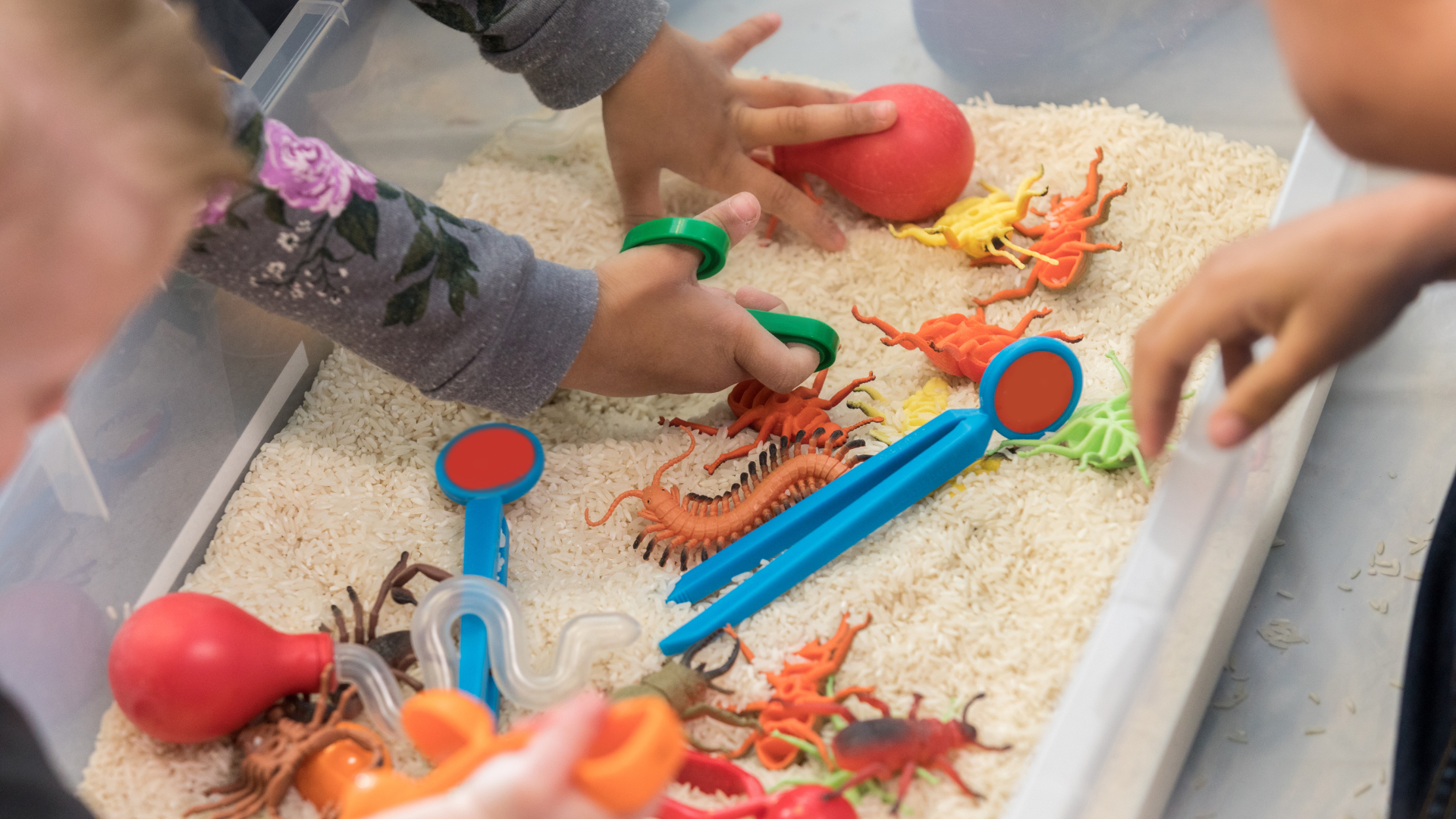
Communication emerges long before spoken language. It includes gestures, eye gaze, shared enjoyment, facial expressions, and early attempts at social exchange. When these early building blocks appear differently, parents often begin looking more closely at their child’s development. These differences do not necessarily indicate a problem. Instead, they offer insight into how your child is interacting with the world and where support might be helpful.
Some children connect deeply without making much eye contact. They may show interest through touch, movement, or the way they explore objects. These subtleties can reveal how your child feels safest when interacting. A therapist can help you understand these cues so you can continue supporting connection in ways that feel natural to your child rather than forcing interactions that feel uncomfortable.
Gestures play an important role in early communication. Pointing, showing objects, and reaching toward items help children express needs before words arrive. If your child rarely uses these gestures or uses your hand more often than their own to communicate, this may signal that they would benefit from support building the foundations of expressive communication. These skills can grow with gentle practice that follows your child’s pace.
Some children express themselves most clearly through movement, sound variations, or predictable actions. These communication styles are meaningful, even when they differ from what is traditionally expected. With the right guidance, these early forms of expression can evolve into more functional and comfortable communication patterns over time.
The way your child plays can reveal information about their developmental profile. If they repeat play sequences, line up toys, or explore objects more than people, these patterns may reflect their natural learning style. Social interaction may feel more accessible when introduced slowly and on your child’s terms. When supported respectfully, your child can expand their play skills while still feeling safe and understood.
Sensory processing differences often appear early and can influence everything from mealtimes to transitions to the way your child explores their environment. You may notice sensitivities, avoidance, intense seeking behaviors, or moments of overwhelm that seem to appear suddenly. These reactions are not misbehavior; they are communication. Understanding them can help you determine whether autism and early intervention therapy in Ventura County may support your child’s comfort and daily participation.
A loud appliance, a crowded store, or a new texture might feel extremely uncomfortable to your child. These responses can interrupt routines and lead to heightened emotions. With support, your child can learn how to approach these experiences with more security and predictability, allowing everyday moments to feel more manageable.
Navigating the sensory world can feel challenging for children whose bodies respond more intensely to input. When children learn what soothes them, what grounds them, and what helps them recover from sensory overload, daily tasks become easier to manage. This can transform moments that once felt stressful into opportunities for growth and connection.
Some children gravitate toward movement and physical input to feel balanced. Climbing, jumping, spinning, or seeking pressure may help them regulate their emotions and attention. These behaviors often serve an important purpose, even when they appear excessive. Guided sensory experiences can help channel this need in ways that support safety, calmness, and participation in routines.
Strong emotional reactions may reflect sensory overload rather than resistance or defiance. When you begin to understand patterns behind these reactions, you can respond with more support and less frustration. This insight brings comfort to both you and your child, especially during busy or unpredictable moments.
Children develop on their own timelines, yet certain patterns can help signal when autism and early intervention therapy in Ventura County may be beneficial. Some children need more time to understand routines, solve problems, or engage in flexible play. Others focus intensely on one activity or follow predictable patterns that offer comfort. These behaviors provide meaningful information about how your child thinks and learns.
Repetition can feel soothing for your child. It helps create predictability and reinforces a sense of control. However, if repetition limits your child’s ability to explore new play ideas, it may be helpful to introduce gentle expansions. These expansions support flexibility without disrupting the comfort your child finds in familiar patterns.
Play is a natural way to introduce new skills. When activities begin with your child’s interests, it becomes easier to introduce variety and new forms of exploration. This approach respects your child’s preferences while gently stretching their abilities.
If your child struggles to move from one activity to another or becomes upset during unexpected changes, they may rely on predictability to feel grounded. Understanding this helps you adjust routines in ways that reduce stress. Tools such as visual cues, preparation time, and gradual shifts can make transitions more approachable for your child.
Some children learn best when tasks are broken into simple, predictable steps. Difficulty with planning, initiating actions, or maintaining focus can make daily routines feel more complicated. When these experiences are supported thoughtfully, children gain confidence and independence in activities that once felt hard.
Children thrive when their progress feels attainable. When tasks are broken down into smaller parts that match your child’s developmental stage, learning feels less intimidating. Over time, these small victories add up, creating meaningful growth that supports future milestones.
When looking into autism and early intervention therapy in Ventura County options, choosing a setting where your child feels most able to learn, explore, and connect is important. As a parent, you ultimately understand your child best. Some children thrive in a dynamic clinic environment filled with sensory-rich experiences and specialized equipment. Others feel more comfortable building foundational skills at home, within familiar routines and surroundings. At Therapy Clubhouse, both options are available, and both are tailored around your child’s individuality and developmental needs.

Clinic-based sessions offer opportunities that are difficult to replicate elsewhere. The sensory gym, soft-play structures, quiet therapy suites, and imaginative spaces are intentionally designed to support autistic children in ways that feel welcoming rather than overstimulating. Many children benefit from the sense of spaciousness, movement freedom, and sensory experiences that our clinic environment provides. These spaces become places where children can explore new skills safely while staying connected to a therapist who understands their cues.
Children accessing autism and early intervention therapy in Ventura County often benefit from sensory activities that help them regulate and organize their bodies. Our sensory gym includes swings, climbing structures, crash pads, tunnels, and gentle movement possibilities that support vestibular and proprioceptive development. These experiences can make transitions easier and help your child approach learning with a calmer mind and more grounded body.
Some children focus better when they are able to move. Climbing, swinging, or pushing weight through their bodies helps them settle enough to engage in play and communication. These experiences allow your child to build regulation skills while also exploring movement patterns that feel soothing or centering.
While the sensory gym offers energy and exploration, some autistic children learn best in calm, enclosed spaces where they can focus without distractions. Our therapy suites are designed with gentle lighting, minimal noise, and comforting materials to help children feel secure. Therapists adjust each room to support your child’s sensory profile, helping them experience success in tasks that require more sustained attention.
Your child’s interests play a meaningful role in their development. The clinic environment allows therapists to observe how your child explores toys, activities, and sensory elements. These discoveries become important tools in treatment, guiding how sessions unfold so your child remains engaged and connected. This helps new skills feel intuitive rather than forced, creating a sense of accomplishment during each session.
Some of the most important moments in your child’s development happen at home, where routines unfold and comfort is naturally present. In-home autism and early intervention therapy provides space for your child to learn within the environment where they feel most secure. This setting allows therapists to observe daily patterns, identify challenges that occur in real time, and tailor strategies to support your child’s comfort and participation. In-home therapy can also strengthen the connection between your child’s progress and the structure of your daily routines.
Practicing early communication, regulation, and play skills at home allows your child to experience learning in the places where they eat, sleep, and explore. Familiar rooms reduce anxiety and allow your child to show their authentic personality, which becomes a powerful guide in therapy. When children feel safe, they participate more willingly and show more interest in exploring new skills.
Mealtime, dressing, bath time, and transitions often reveal your child’s sensory and emotional patterns. In-home sessions allow therapists to see these moments naturally, helping them understand the root of certain challenges. With this clarity, therapists can suggest meaningful adjustments that help these routines feel smoother and less stressful for both you and your child.
If your child becomes anxious during new experiences, the quiet and predictability of home may help them engage more comfortably. Working within a space your child already trusts allows them to warm up gently, making it easier for them to practice skills that feel difficult elsewhere.
Your child’s environment influences their sense of safety and independence. Something as simple as adjusting lighting, reorganizing play areas, or adding a sensory tool can make routines feel more achievable. These small shifts are only identifiable when therapists can observe daily life directly within the home.
One of the strongest advantages of in-home therapy is the opportunity for real-world practice. Skills introduced during a session can be reinforced naturally throughout the day. This helps progress feel steady and consistent because your child has repeated opportunities to use their skills in moments that matter.
Both settings offer valuable opportunities for your child, but the right choice depends on your child’s sensory profile, emotional comfort, learning style, and therapeutic goals. Ventura County autism and early intervention therapy at Therapy Clubhouse is designed to help you understand these needs clearly so you can make informed decisions. Some children begin with clinic sessions, while others feel more grounded starting at home. Many children transition between both as their confidence and skills grow.
A child who seeks movement might benefit from the equipment in the clinic, while a child who becomes overwhelmed in busy environments may feel calmer starting at home. Observing your child’s reactions can guide you toward the setting that will support their comfort and emotional stability.
Some goals benefit from the clinic’s specialized tools and play structures. Others, such as self-care routines or communication during transitions, are more easily practiced at home. Understanding the purpose of each goal helps determine where therapy should take place for the most meaningful progress.
There are times when a blend of in-home and in-clinic therapy creates the richest learning environment for a child. Movement-based learning may occur in the clinic, while emotional regulation strategies are practiced at home. This combination allows your child to build skills that generalize across settings.
Your child’s needs may shift over time. A space that once felt too stimulating may become a place of excitement and joy, or a routine that once felt manageable may later require support. Our therapists remain flexible, adjusting the setting and approach as your child’s development progresses.
Choosing the right setting can feel like a significant decision, but you do not have to decide alone. We guide you through the considerations that matter most, helping you understand how each option supports your child’s developmental path. This collaborative approach ensures your child receives care that feels nurturing, intentional, and encouraging in every session.
Our autism and early intervention therapy in Ventura County is designed to support growth in ways that feel nurturing, meaningful, and deeply personal to your child. Progress does not look the same for every child, and early intervention is never about forcing one developmental path. Instead, it offers tools and experiences that help your child participate more comfortably in their world. Goals are shaped by your child’s strengths, sensory needs, communication style, and emerging abilities. Over time, these goals support the development of skills that make daily life feel more approachable and fulfilling.
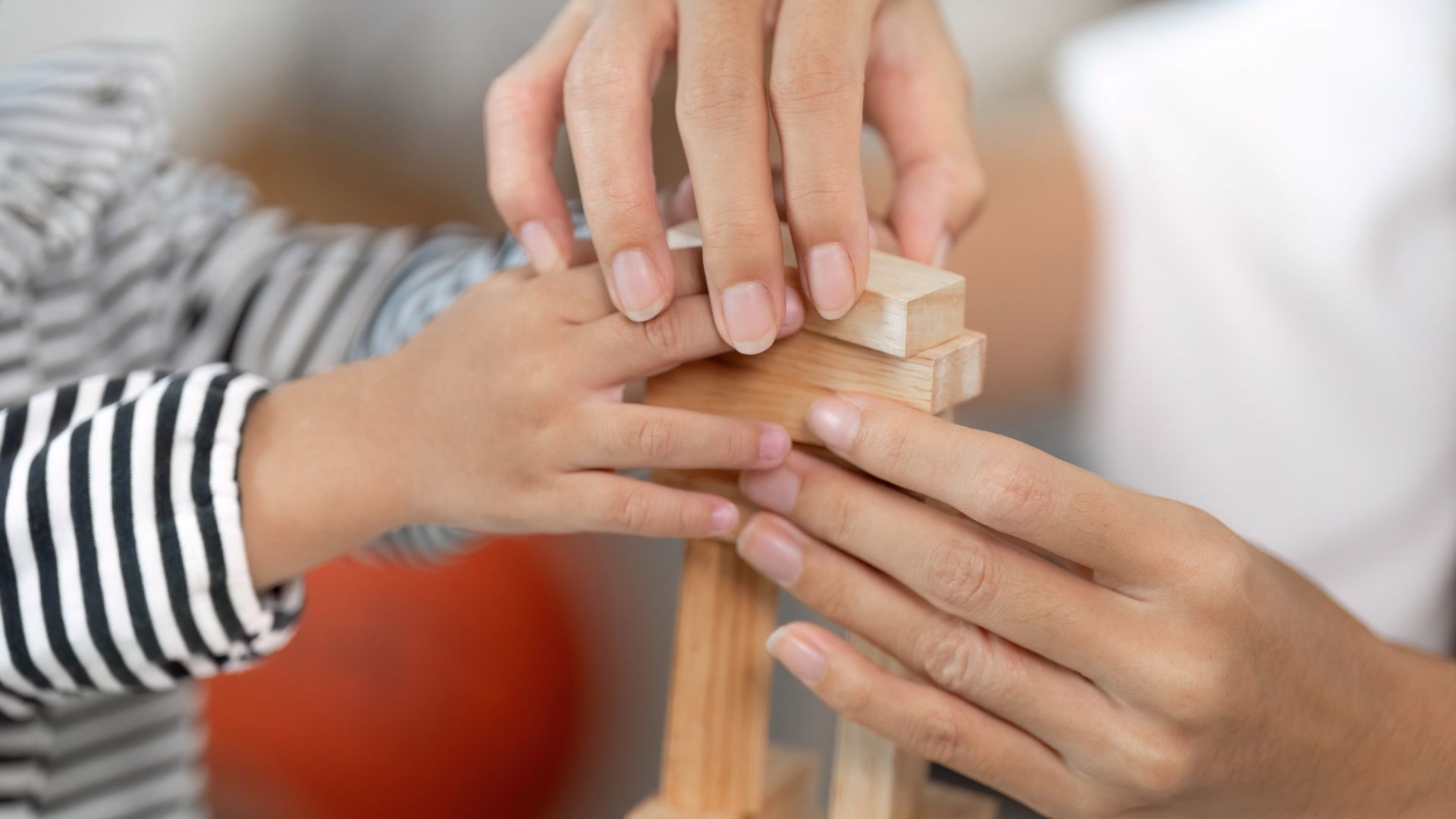
Communication is one of the most meaningful areas supported through early intervention. Autistic children communicate differently, and early intervention honors those differences while offering tools that help interactions feel clearer and more comfortable. Development in this area is not limited to spoken language. It includes gestures, emotional expression, shared attention, play reciprocity, and connection. As foundational communication skills strengthen, children often become more confident expressing themselves.
Shared engagement is a core developmental skill that helps children feel connected. This may begin with simple moments like looking toward the same object, responding to a caregiver’s smile, or showing interest in another person’s actions. These early forms of interaction help build trust and familiarity, creating a gentle pathway toward deeper communication. When these skills begin to strengthen, children often show more interest in participating in interactions that once felt challenging.
Joint attention develops when children learn to share experiences with others. Some children respond to this naturally, while others need more support to feel comfortable shifting attention between an activity and a person. Play offers a soft, inviting way to encourage joint attention by participating in activities your child already enjoys. As these shared moments become more frequent, communication tends to feel more accessible.
Autistic children may express themselves through sounds, gestures, movement, or early forms of language before producing spoken words. Early intervention builds on these existing communication strengths. Therapists help your child discover how to express needs, preferences, and emotions more clearly. Each attempt offers valuable insight into the communication patterns that make sense for your child.
Understanding language is just as important as producing it. Many autistic children benefit from structured communication that includes visual cues, consistent phrasing, and calm interaction. These supports make it easier for children to process information and respond in ways that feel confident. As receptive language skills grow, daily routines and social moments feel easier for your child to navigate.
Social communication often includes subtle cues that must be learned over time. Children with autism may need extra practice understanding facial expressions, tone changes, or turn-taking. Gentle modeling helps your child explore these aspects of communication without pressure. Over time, these skills contribute to more comfortable and meaningful interactions.
Emotional development and sensory processing are deeply connected. Many autistic children experience strong reactions to sensory input or transitions, and these moments can influence how they engage in play, learning, or social situations. Our Ventura County autism and early intervention therapy helps your child build regulation strategies that support emotional comfort throughout the day. These skills help reduce overwhelm and allow children to participate in routines more easily.
A child’s sensory system influences how they experience sound, texture, movement, and visual input. If sensory experiences feel unpredictable or intense, they may respond with withdrawal, heightened energy, or emotional distress. Supporting sensory comfort allows children to feel more grounded. When their bodies feel regulated, it becomes easier to engage in communication, play, and learning.
Calming strategies vary widely based on sensory profiles. Some children benefit from deep pressure or slow movement, while others regulate through playful activity or rhythmic interaction. Early intervention helps your child discover the tools that support their unique rhythm. These tools may become part of daily routines, offering comfort during challenging transitions.
A predictable environment helps many autistic children feel secure. Consistent routines and gentle transitions allow them to move through their day with less stress. When predictability is paired with supportive sensory strategies, children begin showing more readiness to explore new experiences.
New activities may feel overwhelming for children who depend on routine. Early intervention introduces changes slowly and respectfully. Each small step toward flexibility is celebrated, allowing children to feel accomplished in their growth. Over time, they may show increased comfort exploring unfamiliar environments, toys, or routines.
Children develop emotional resilience when they feel understood and supported during difficult moments. Therapists help children navigate frustration or sensory overwhelm in ways that feel validating. These experiences teach children how to manage big feelings while still trusting their own capacity to try again.
As emotional regulation improves, children often become more able to express how they feel. This may start with gestures or looks before evolving into words or symbols. The ability to communicate emotions helps reduce frustration and deepens connection with caregivers.
Our autism and early intervention therapy in Ventura County supports more than communication and regulation. It also nurtures functional skills that help children move through everyday routines with comfort. Independence does not mean doing everything alone. It means having the ability to participate meaningfully in routines in ways that match your child’s developmental stage. Early intervention encourages growth across these areas through play, modeling, and developmentally responsive guidance.
Daily routines such as dressing, feeding, brushing teeth, and transitioning from one activity to another create structure for your child. When these routines feel difficult, early intervention helps break them into manageable steps. Small successes help children feel more capable and secure in their abilities.
Motor challenges may influence how children approach tasks such as climbing, balancing, or carrying objects. Whether your child is building early mobility skills or refining coordination, early intervention uses guided exploration to help them feel more comfortable in their movements. This comfort strengthens participation in play and daily routines.
Fine motor tasks often require patience and strength. Early intervention introduces activities that help children develop hand control, grasp patterns, and coordination. These skills influence writing readiness, feeding independence, and creative play abilities.
Play offers natural opportunities for children to experiment with choices, navigate challenges, and try new ideas. Early intervention supports flexibility by guiding your child through playful problem-solving. Encouraging this type of exploration helps children feel curious and capable during social play or structured activities.
Confidence grows when children experience success repeatedly. Therapists create opportunities for predictable achievement, whether during play, communication, or daily skills. These moments help children recognize their abilities and approach new challenges with more trust in themselves.
Small developmental shifts often appear during routines before they are noticed in formal therapy. Parents learn how to identify and celebrate these moments. This awareness deepens your connection to your child’s growth and reinforces the supportive strategies used throughout the day.
Children grow best when they feel understood, supported, and safe. Our multidisciplinary team brings together experienced pediatric specialists who design therapy that feels encouraging—not overwhelming. Each session blends clinical expertise with a warm, relationship-based approach, helping your child make steady, meaningful progress. Whether your child struggles with speech clarity, language development, or emotional regulation, we guide your family with clarity and compassion every step of the way.
Private in‑home pediatric therapy gives children the chance to grow in a space that already supports their emotional safety and confidence. Many of the developmental, behavioral, and communication skills we teach become stronger when practiced in the same rooms, routines, and family interactions a child relies on every day.
Schedule ConsultationReal stories from families who found clarity, hope, and meaningful progress through Therapy Clubhouse.
“We came in unsure of the future. The therapists saw his strengths immediately and guided us with patience. He’s speaking more, interacting more, and smiling in ways we hadn’t seen in months.”
— Parent, Ventura County“She used to get overwhelmed so easily. Now she’s calmer, coordinated, and proud of what she can do. Therapy Clubhouse has completely transformed daily life for our family.”
— Parent, Camarillo“Their guidance gave us clarity when we were overwhelmed. Our child finally has the tools to communicate and connect in ways we had only hoped for.”
— Parent, Thousand Oaks“We felt so supported from the very first session. The therapists truly understand kids and gave us strategies that made an immediate difference at home.”
— Parent, Simi Valley“Our therapist brought so much joy into learning. Our son now participates in group activities and shows confidence we never imagined possible.”
— Parent, Westlake Village“Therapy Clubhouse changed everything for our daughter. She feels understood, supported, and excited to learn. We are forever grateful for this team.”
— Parent, Newbury ParkFrom Thousand Oaks to Camarillo, Ventura, Simi Valley, and beyond — our pediatric therapists bring support, clarity, and hope to families throughout the region.
Schedule Your Free ConsultationAnswers to the most important questions parents ask about pediatric therapy, early intervention, communication development, sensory needs, and in-home support.
Our multidisciplinary team collaborates across all specialties to create a personalized plan for each child. We focus on the whole child—not just a symptom.
If your child struggles with communication, behavior, sensory needs, or milestones, an evaluation gives you clarity and a guided path forward.
We listen, learn your child’s strengths, and help you understand their needs. Many parents feel relief and renewed hope after this first conversation.
Yes — learning at home reduces stress and lets therapists observe real routines, leading to faster, more meaningful progress.
Speech, OT, feeding therapy, early intervention, ABA-informed support, developmental therapy, and parent coaching — all in one place.
Therapists align goals across communication, sensory, emotional, and motor development to ensure unified support.
We empower families with practical tools that make progress natural and easy to integrate into routines.
We use sensory-informed activities that help children feel calm, regulated, and ready to learn.
We support toddlers through school-aged children, adapting therapy to match each child’s developmental stage.
Navigating your child’s developmental needs can bring forth a variety of emotions, from love and hope to hesitation about the best way forward. Autism and early intervention therapy offers a gentle, grounded way to support your child’s growth while honoring who they are and how they interact with the world. At Therapy Clubhouse, our space is designed with comfort, trust, and connection in mind, where every child is prioritized as an individual. Our therapists take the time to understand your child’s sensory sensitivities, way of communication, and existing strengths so that progress builds in an organic and meaningful way.