
Helping children grow, learn, and thrive across Ventura County. Compassionate pediatric therapy tailored to your child’s unique needs.
Our pediatric therapy in Ventura County supports children across many areas of development, helping them build skills that allow daily life to feel more comfortable and enjoyable. If you’ve noticed your child might need extra support with communication, emotional regulation, motor development, social interaction, or foundational learning abilities, Therapy Clubhouse can help. Pediatric therapy brings these needs together into one cohesive approach, offering families access to speech therapy, occupational therapy, behavioral therapy, autism and early intervention services, and developmental therapy under one roof. Regardless of the type of therapy you’re interested in exploring for your child, we focus on creating a supportive path that strengthens how your child explores their world, expresses themselves, and forms meaningful connections.
If you’re in the process of looking into the kind of support your child may benefit from, Therapy Clubhouse is here to guide you and answer any questions you may have. Our therapists take time to understand your child’s learning style, interests, and emotional needs so treatment feels personalized and welcoming. We believe children grow best in spaces where they feel safe, celebrated, and understood. To learn more about the pediatric therapy services we offer or to speak with our team, you can reach us at (805) 624-3301. Together, we can begin creating a supportive foundation that helps your child thrive in ways that feel natural and joyful, not clinical and pressuring.
Pediatric therapy in Ventura County can take many different forms, and each child’s needs look a little different depending on how they grow, communicate, interact, and regulate throughout their day. Therapy Clubhouse offers a range of therapies designed to support children at varying developmental stages, giving families access to care that feels individualized and deeply responsive. Our therapists combine evidence-based approaches with playful, child-led methods that help each child feel safe while learning new skills. Understanding the different types of therapy available can help you recognize which services may best support your child’s strengths and challenges.
Each therapy type Therapy Clubhouse offers supports a unique aspect of development, yet they all share a common goal; helping children feel more confident in their abilities and more comfortable in the world around them. Whether a child is struggling with communication, social connection, emotional regulation, sensory processing, or early developmental milestones, our team offers support that respects their pace and celebrates their individuality.
Speech therapy at Therapy Clubhouse is designed to help children communicate with greater clarity, confidence, and connection. Many children meet language milestones at their own pace, but others may have difficulty forming sounds, understanding language, initiating communication, or using speech to express their needs. Our approach blends structured, evidence-based techniques with child-led interaction so children feel encouraged and supported while learning new communication skills.
Pediatric therapy in Ventura County often includes support for sensory processing, emotional regulation, fine motor development, and daily living skills. Therapy Clubhouse offers both occupational therapy and behavioral therapy to help children navigate these areas of development with confidence and comfort. These services work together to strengthen your child’s self-awareness, independence, and overall well-being.
Alongside speech, occupational, and behavioral therapies, Therapy Clubhouse offers autism and early intervention services as well as developmental therapy for children who benefit from added structure or support in building foundational skills. These services are rooted in developmental science and emphasize connection, sensory awareness, and communication. Autistic children often experience the world in ways that are rich, unique, and deeply meaningful.
Pediatric therapy in Ventura County supports children across a wide range of developmental, emotional, and behavioral needs. Parents often notice small patterns long before they have the words to describe them. A child may struggle to express themselves, avoid certain movements, react strongly to sensory input, or experience frustration during daily routines. These signs are not failures or reasons for worry. They are gentle cues that your child may need a bit more guidance as they move through important developmental stages. Recognizing these early signals can help you understand your child’s needs more clearly and explore services that help them feel comfortable, supported, and understood.
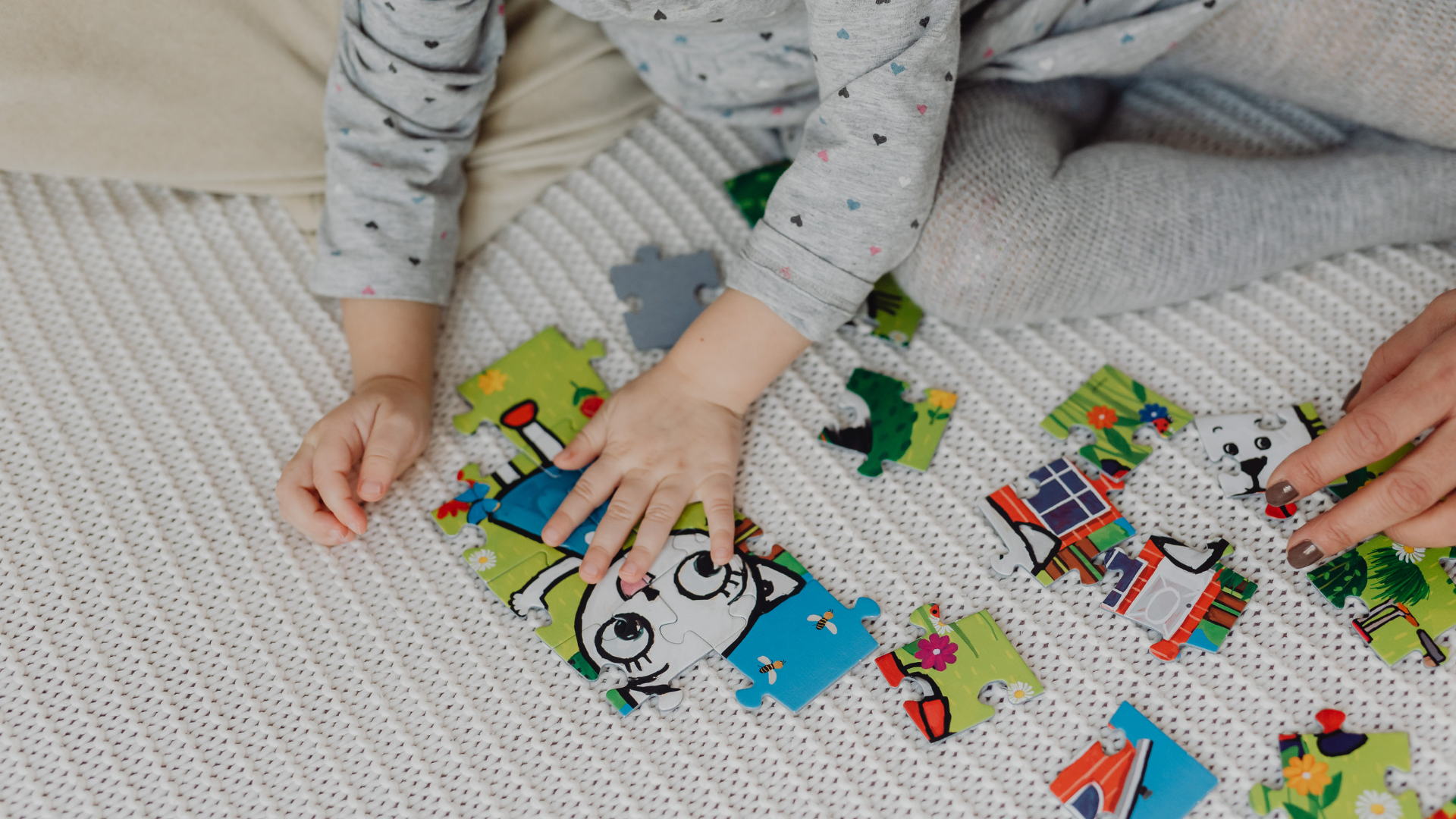
Communication is one of the earliest ways children connect with others, and differences in this area often become visible before other developmental signs appear. Some children may speak less than expected for their age, while others use words but find it difficult to form clear sentences or participate in back-and-forth interaction. Speech and language development unfolds differently for each child, and recognizing early communication differences can help you determine whether additional support would be helpful.
Children who struggle to form early sounds or words may rely more heavily on gestures, facial expressions, or behaviors to communicate needs. These signals are meaningful and often reflect a child’s attempts to share their thoughts in the ways they currently can. Speech therapy can help bridge this gap by offering targeted support that helps children explore sounds, language, and expressive communication with confidence.
Some children communicate clearly through pointing, showing, or leading adults to objects rather than using speech. These communication methods provide important insight into how your child expresses themselves. Therapy can help strengthen early communication skills while respecting your child’s natural pace.
Children who have difficulty producing certain sounds or who replace complex sounds with simpler ones may feel frustration when others do not understand them. These sound patterns can make communication feel tiring for a child who wants to connect. Speech therapy at Therapy Clubhouse gently builds sound accuracy through playful, supportive activities that help children feel capable during conversation.
Receptive language differences can appear when a child has trouble understanding instructions, processing new vocabulary, or following routines with multiple steps. These challenges do not reflect a lack of interest or effort. They often show that a child needs structured support to strengthen auditory processing and comprehension.
Ventura County pediatric therapy includes occupational therapy, behavioral therapy, and developmental support to help children navigate sensory, motor, and emotional challenges. These areas influence how children move through their world and how they respond to the experiences around them. Signs in these domains may appear during play, mealtimes, transitions, or interactions with others.
Sensory differences may appear through avoidance of textures, sounds, movement, or bright lights. Some children feel quickly overwhelmed in busy environments, while others seek out strong movement or pressure to feel comfortable. Occupational therapy helps children build sensory awareness and develop regulation strategies that make their world feel more predictable and soothing.
Children who crave movement, deep pressure, or high levels of stimulation often use these behaviors to stay regulated. Play-based occupational therapy creates opportunities for structured sensory exploration that supports emotional balance and self-regulation.
Delays in crawling, walking, coordination, or fine motor tasks such as grasping or feeding may indicate that your child needs additional support developing motor pathways. Occupational therapy encourages children to explore movement in ways that strengthen coordination and independence while still maintaining a pace that feels comfortable.
Behavioral patterns such as intense emotional reactions, difficulty coping with transitions, or sudden outbursts often reflect underlying frustration, stress, or developmental needs. Behavioral therapy helps children understand their emotions, practice new coping strategies, and explore more flexible responses to daily challenges.
Children who rely heavily on structure may struggle when routines shift. Behavioral support introduces tools that help children prepare for transitions and respond with more comfort, reducing the emotional intensity surrounding change.
Some children shut down when emotions feel too big, while others react impulsively or intensely. These emotional patterns show that a child needs help building internal regulation skills. Behavioral therapy and developmental therapy help children explore emotions in safe, supported ways while learning how to respond with more ease.
Children communicate a great deal through how they play, interact with peers, and explore new environments. Social differences, limited play skills, or challenges engaging with others can be early signs that developmental support or autism and early intervention services may be beneficial. These signs do not predict a diagnosis. They simply highlight areas where children may appreciate more structure and gentle guidance.
Some children prefer to play alone or repeat the same actions during play without exploring new scenarios. Others may have difficulty connecting with peers or understanding the back-and-forth flow of social interaction. Developmental therapy and early intervention services help children build confidence in social play, strengthening connection and communication.
Games and shared play require turn-taking, flexibility, and emotional awareness. Children who feel overwhelmed in social play may benefit from practicing these skills in supportive, low-pressure settings with a therapist who understands how to scaffold interactions in accessible ways.
Children who develop at a different pace than expected may need support in communication, motor skills, imitation, joint attention, or functional play. Early intervention focuses on these foundational skills, offering guidance that helps children participate more comfortably in everyday routines.
Rigid play patterns, resistance to new experiences, or strong preferences for certain objects or routines can indicate that a child relies on predictability to feel safe. Developmental and early intervention therapy helps children build flexibility gradually in ways that respect their comfort level.
Some children need help understanding routines, social expectations, or communication patterns in structured settings. Therapy helps introduce these foundational skills so children feel more secure as they transition into early education environments.
No two children communicate in exactly the same way. Your child brings their own strengths, preferences, sensory needs, and learning style to each session. Our therapists design individualized treatment plans that reflect these unique traits while supporting your child’s overall developmental path. Sessions adapt based on what your child needs that day, whether that is more movement, more structure, more quiet time, or more imaginative play.

We combine research-supported approaches with play so therapy feels natural and meaningful. Whether your child needs help developing early sounds, forming words, expanding vocabulary, or building social communication, the strategies are woven into activities that feel enjoyable. This helps progress feel steady rather than forced.
Children with autism, ADHD, sensory processing differences, or developmental delays often communicate in unique ways. We adapt our approach to honor these differences, using visual supports, sensory tools, predictable routines, or alternative communication methods depending on what helps your child thrive. This flexibility helps your child feel capable and understood.
Some children learn best when they are in motion. We incorporate movement breaks, sensory activities, or gym time into their sessions so they can regulate and refocus. This approach helps communication feel more accessible and prevents overwhelm.
Parent involvement is one of the most important parts of speech therapy. We help you understand what your child is learning, why certain strategies are used, and how to support communication at home. These conversations help you feel informed, empowered, and confident in your ability to nurture your child’s growth.
We show you how simple daily moments like mealtime, bath time, or outdoor play can support communication. These routines become natural practice spaces that help your child use new skills outside of therapy. By incorporating communication into everyday life, progress becomes more consistent and meaningful.
Children experience the world through their environments, and the setting where therapy takes place can shape how comfortable and engaged they feel throughout the process. Pediatric therapy in Ventura County is offered through both in-clinic and in-home sessions at Therapy Clubhouse, giving families the flexibility to choose the space that best matches their child’s needs. Some children thrive in a structured, sensory-rich clinic designed for exploration and growth. Others feel most secure practicing skills within the familiar rhythm of home. Both approaches offer meaningful benefits and provide opportunities for children to build confidence, communication, emotional regulation, and functional independence.
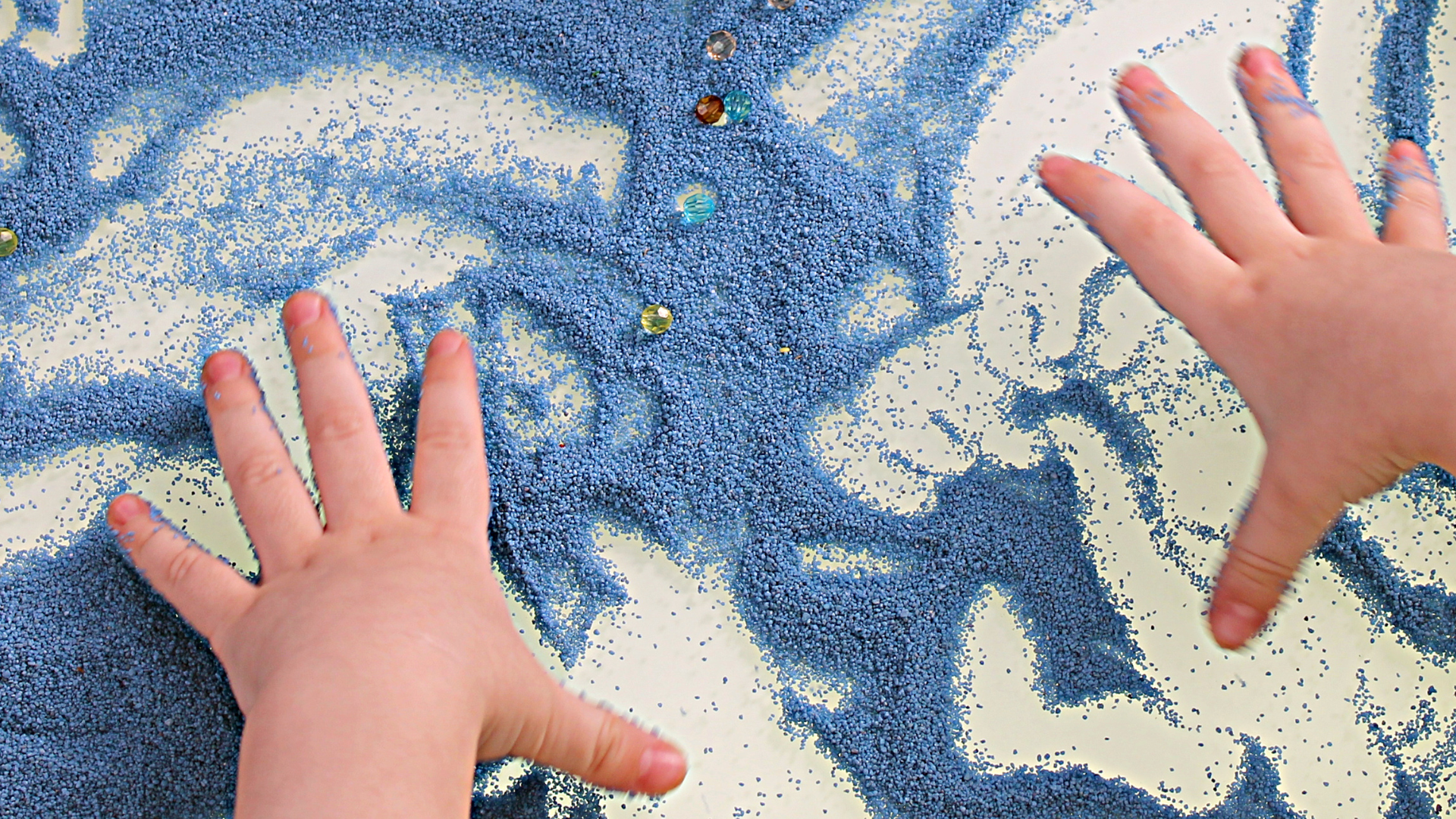
Therapy Clubhouse’s clinic environment was created to inspire curiosity, emotional safety, and sensory comfort. The space is intentionally warm and child-friendly, offering areas where children can play freely while also working on therapy goals with structured support. Different rooms cater to specific needs, whether a child requires movement to regulate, quiet spaces to focus, or imaginative areas to explore social and emotional skills. These elements allow therapists to tailor each session to the child’s sensory profile and developmental goals.
The clinic’s sensory equipment, climbing structures, swings, and tactile materials help children regulate their bodies and emotions. Many children benefit from movement-based activities before beginning tasks that require more focus or communication. The clinic environment provides a safe space for sensory exploration, helping children feel more grounded and ready to participate in therapeutic activities.
Some children concentrate more effectively after they have engaged in physical play that calms or organizes their sensory system. Therapists incorporate these sensory needs into sessions, enabling children to transition more successfully into learning moments that require attention, fine motor skills, or communication.
Many children feel confident when routines are consistent and transitions are eased through gentle guidance. The clinic environment offers predictable rhythms that help children navigate new skills without feeling overwhelmed. Therapists structure sessions in ways that help children anticipate what comes next, making emotional regulation and cooperation easier.
Some developmental goals are best practiced around other children or within play environments that mimic classroom or community settings. The clinic setting offers opportunities for children to explore cooperative play, waiting, sharing, turn-taking, and social communication. These interactions unfold naturally within a supportive space where therapists can model and guide skill development.
Children who feel uncertain in group play or unfamiliar social settings often benefit from guided social practice within the clinic. Structured support helps them explore new social patterns with confidence, preparing them for broader peer experiences at school or community settings.
In-home therapy offers a different but equally valuable approach. Children often reveal their authentic patterns, strengths, and challenges more clearly at home, where routines feel familiar and natural. Ventura County pediatric therapy provided in-home allows therapists to observe your child in real-life contexts, making intervention more relevant and personalized. This environment can be especially helpful for children who experience anxiety in new places, need additional emotional support, or thrive within predictable household routines.
Home is where children navigate many of their most meaningful developmental tasks, from transitioning between activities to participating in meals, bedtime routines, or play with siblings. In-home therapy allows therapists to see these patterns in real time. This insight helps shape strategies that feel practical, realistic, and tailored to your family’s unique rhythm.
Children may express strong emotions at home for reasons that do not show up in the clinic. In-home therapy gives therapists the opportunity to support your child through moments that commonly trigger overwhelm or frustration. These may include sensory-heavy routines, transitions, or tasks that require more patience than your child is currently comfortable with.
Some children participate more fully when they do not have to adjust to a new environment or sensory input. In-home therapy respects this preference, giving your child space to explore their skills without added pressure.
When therapy unfolds within the child’s natural environment, new skills often integrate more smoothly into everyday routines. Children learn how to communicate, self-regulate, or complete daily tasks in the same spaces where they will use these abilities throughout the day. This helps make progress feel more consistent and more connected to the child’s real experiences.
Parents play a core role in therapy when sessions take place at home. Therapists guide families in understanding behaviors, communication cues, and sensory needs. Together, they build strategies that help the child feel supported even outside of scheduled sessions. This collaboration creates continuity that strengthens progress and helps families feel empowered.
In-home services provide a window into the child’s natural environment, giving therapists insight into how parents can support emotional regulation, communication, or play skills. Families receive guidance tailored to their routines, making strategies easier to implement.
Both settings offer unique advantages, and choosing the right one for your child depends on their sensory preferences, emotional needs, developmental goals, and comfort level. Therapy Clubhouse takes time to understand your child’s strengths and sensitivities so the therapy environment supports their sense of security and motivation.
Children react differently depending on the setting. Some become energized and engaged in the clinic’s sensory-rich atmosphere, while others feel more open and communicative at home. Observing your child’s comfort level can help determine which setting will allow them to participate more fully.
Certain goals naturally align with the clinic environment, such as sensory regulation, motor development, and social interaction. Other goals, like emotional regulation during household routines or communication during daily tasks, may be better supported in the home. Aligning goals with the environment allows therapy to feel relevant and effective.
Some children benefit from experiencing both environments. The clinic offers new experiences and social opportunities, while the home provides predictability and emotional comfort. A hybrid model can help children build flexibility while maintaining a strong sense of security.
A child who begins at home may later feel ready to explore the clinic. Conversely, a child who enjoys the clinic may temporarily need the comfort of home-based support. Therapy Clubhouse works closely with families to adjust the setting as developmental needs shift.
Choosing between in-clinic and in-home pediatric therapy does not have to feel overwhelming. Therapists guide parents through the decision-making process with reassurance and thoughtful insight. Understanding your child’s emotional and sensory patterns helps create a therapy plan that feels compassionate, realistic, and supportive.
Regardless of the environment, the goal is always to help your child feel understood and capable. Therapy Clubhouse creates spaces where children can explore new skills joyfully, whether that space is our clinic or your living room.
Children thrive in environments where their strengths are recognized and their challenges are approached with sensitivity, patience, and developmental insight. Pediatric therapy in Ventura County helps children grow in ways that feel natural, meaningful, and connected to their everyday life. At Therapy Clubhouse, our goals are never limited to mastering a single skill or checking off developmental boxes. Instead, we focus on cultivating the emotional, sensory, communication, behavioral, and functional foundations that help children feel secure in who they are. The outcomes we aim for are deeply rooted in helping your child navigate their world with ease, confidence, and the kind of support that allows them to feel understood.

Communication is central to how children learn, interact, and form relationships. For some children, communication challenges may show up as unclear speech, limited language, difficulty understanding conversations, or uncertainty during social exchanges. Our therapists help children develop communication skills that allow them to feel more connected to the people around them, creating opportunities for meaningful play and emotional expression.
Speech and language support helps children gain clarity and confidence in expressing their ideas, needs, and feelings. Whether a child is learning early words, refining sound patterns, or developing more complex language, our therapists shape activities around the child’s interests. This helps communication flourish in a setting where the child feels safe, engaged, and motivated.
Children communicate in many different ways. Some use gestures, sounds, or emerging words, while others use phrases or complex sentences that still need refinement. Therapy supports children wherever they are developmentally, offering space to explore new communication skills without pressure.
Social interaction can be challenging for children who need extra support understanding the rhythm of conversation, reading social cues, or joining play. Therapy provides structured opportunities for children to practice these skills in ways that feel approachable. Through guided play, modeling, and gentle coaching, children learn how to enter interactions with more ease.
Understanding language is essential for navigating school, daily routines, and social relationships. Some children struggle to follow directions or interpret complex language. Therapy helps strengthen listening skills, language comprehension, and the ability to participate in interactive exchanges comfortably.
Children experience their world through sensations, emotions, and responses to their environment. Ventura County pediatric therapy includes occupational and behavioral support that helps children regulate their bodies and emotions in ways that make daily life feel less overwhelming. These skills influence every part of a child’s day, from play to learning to transitions and relationships.
Emotional regulation develops gradually, and some children need extra support responding to feelings such as frustration, disappointment, or excitement. Therapy helps children identify emotions, understand what they feel in their bodies, and practice strategies that help them navigate difficult moments. These tools allow children to participate more comfortably in routines and relationships.
Some children react quickly when they feel overwhelmed, while others retreat or shut down. Therapists help children explore grounding strategies and gentle sensory tools that soothe their nervous systems, making emotional regulation more accessible.
Many challenging behaviors reflect unmet needs or difficulty adjusting to transitions. Therapy helps children develop flexible thinking, tolerate changes, and respond to challenges with less distress. These skills improve daily functioning and support smoother interactions at home and in school environments.
Some children feel overstimulated by sounds, textures, or movement, while others seek more sensory input than their environment naturally provides. Sensory-based therapy helps children understand what their bodies need to feel comfortable and regulated. This leads to smoother transitions, increased independence, and more enjoyment during everyday activities.
Children who learn to understand their sensory needs feel more secure and capable. By developing awareness and strategies that match their sensory profiles, children build confidence during both structured tasks and free play.
Pediatric therapy in Ventura County aims to help children participate in their daily routines with comfort and pride. Whether a child needs help with feeding, dressing, handwriting, fine motor skills, or functional play, therapy provides guidance that helps them feel more capable. Therapy Clubhouse focuses on strengthening independence at a pace that matches your child’s readiness, creating small steps that lead to meaningful long-term growth.
Daily tasks such as brushing teeth, tying shoes, cleaning up toys, or participating in schoolwork may feel overwhelming for some children. Our therapists introduce these skills in gentle, achievable stages so children feel confident and supported. Over time, these abilities help children move through routines more comfortably.
Some children need extra support developing the coordination and strength needed for climbing, jumping, writing, or manipulating small objects. Therapy offers playful activities that help children explore movement and develop motor control in a way that feels exciting rather than stressful. These skills support academic readiness, social interaction, and recreational play.
Children who struggle with coordination or motor planning may hesitate during physical play. Therapy provides a safe environment where children can experiment with movement and develop body awareness at a pace that fits their needs.
Therapy also helps children build skills that support success in academic settings, including attention, emotional regulation, communication, and social understanding. These skills help children feel grounded as they transition into preschool or kindergarten.
Independence emerges when children feel successful in small steps that build toward larger goals. Therapists create opportunities for children to accomplish tasks in structured, supportive ways. Each achievement helps strengthen their belief in their abilities.
Children thrive when they recognize their own progress. Therapy helps them build this awareness by highlighting moments of growth, strengthening motivation and self-esteem. These celebrations remind children that their efforts matter, helping them approach new challenges with a sense of pride and curiosity about what they can achieve next.
Children grow best when they feel understood, supported, and safe. Our multidisciplinary team brings together experienced pediatric specialists who design therapy that feels encouraging—not overwhelming. Each session blends clinical expertise with a warm, relationship-based approach, helping your child make steady, meaningful progress. Whether your child struggles with speech clarity, language development, or emotional regulation, we guide your family with clarity and compassion every step of the way.
Private in‑home pediatric therapy gives children the chance to grow in a space that already supports their emotional safety and confidence. Many of the developmental, behavioral, and communication skills we teach become stronger when practiced in the same rooms, routines, and family interactions a child relies on every day.
Schedule ConsultationReal stories from families who found clarity, hope, and meaningful progress through Therapy Clubhouse.
“We came in unsure of the future. The therapists saw his strengths immediately and guided us with patience. He’s speaking more, interacting more, and smiling in ways we hadn’t seen in months.”
— Parent, Ventura County“She used to get overwhelmed so easily. Now she’s calmer, coordinated, and proud of what she can do. Therapy Clubhouse has completely transformed daily life for our family.”
— Parent, Camarillo“Their guidance gave us clarity when we were overwhelmed. Our child finally has the tools to communicate and connect in ways we had only hoped for.”
— Parent, Thousand Oaks“We felt so supported from the very first session. The therapists truly understand kids and gave us strategies that made an immediate difference at home.”
— Parent, Simi Valley“Our therapist brought so much joy into learning. Our son now participates in group activities and shows confidence we never imagined possible.”
— Parent, Westlake Village“Therapy Clubhouse changed everything for our daughter. She feels understood, supported, and excited to learn. We are forever grateful for this team.”
— Parent, Newbury ParkFrom Thousand Oaks to Camarillo, Ventura, Simi Valley, and beyond — our pediatric therapists bring support, clarity, and hope to families throughout the region.
Schedule Your Free ConsultationAnswers to the most important questions parents ask about pediatric therapy, early intervention, communication development, sensory needs, and in-home support.
Our multidisciplinary team collaborates across all specialties to create a personalized plan for each child. We focus on the whole child—not just a symptom.
If your child struggles with communication, behavior, sensory needs, or milestones, an evaluation gives you clarity and a guided path forward.
We listen, learn your child’s strengths, and help you understand their needs. Many parents feel relief and renewed hope after this first conversation.
Yes — learning at home reduces stress and lets therapists observe real routines, leading to faster, more meaningful progress.
Speech, OT, feeding therapy, early intervention, ABA-informed support, developmental therapy, and parent coaching — all in one place.
Therapists align goals across communication, sensory, emotional, and motor development to ensure unified support.
We empower families with practical tools that make progress natural and easy to integrate into routines.
We use sensory-informed activities that help children feel calm, regulated, and ready to learn.
We support toddlers through school-aged children, adapting therapy to match each child’s developmental stage.
If you’re considering different options for pediatric therapy in Ventura County or are simply seeking answers about your child’s growth, our team is here to listen and help you take the next step. We work closely with families to create plans that reflect each child’s unique developmental progress, ensuring therapy feels nurturing and purposeful. To explore services or schedule a conversation with our staff, call Therapy Clubhouse at (805) 624-3301 or contact us through our website. We look forward to supporting your family as your child gains confidence, independence, and comfort in their everyday life.