
Speech development varies widely among young children, and it’s common for parents to wonder when early intervention might be most helpful. While some variability in early sounds and words is expected, persistent communication delays can affect a child’s social interactions, learning readiness, and overall confidence. Pediatric speech therapy offers targeted support designed to help toddlers develop the foundational skills they need to communicate effectively. By understanding when speech therapy might be appropriate and how it can support early communication, parents can make informed decisions that benefit their child’s development and long-term success.
At Therapy Clubhouse, our approach to speech therapy for toddlers focuses on creating a positive, engaging environment where young children feel comfortable learning new communication skills. We use play-based strategies to encourage speech, language, and interaction in ways that feel natural and motivating for toddlers. By partnering with families throughout the process, we help support steady progress while strengthening communication at home and in everyday routines. Schedule an appointment with us today at (805) 624-3301 and let us support your child’s communication development.
How Speech Therapy for Toddlers Supports Early Communication Competencies
Speech therapy for toddlers plays a critical role in building the foundational communication skills children need during their earliest developmental stages. These early competencies support not only speech and language but also social interaction, emotional regulation, and learning readiness. When toddlers receive timely, developmentally appropriate support, they are better equipped to express needs, understand others, and engage with their environment. Speech therapy focuses on strengthening these skills through structured, play-based strategies that align with how young children naturally learn. Early support helps create a strong communication foundation that benefits children well beyond the toddler years.
Strengthening Receptive and Expressive Language Skills
One of the primary goals of speech therapy for toddlers is supporting both receptive and expressive language development. These skills work together to help children understand language and use it meaningfully.
Building Understanding of Words and Directions
Receptive language refers to a child’s ability to understand words, phrases, and simple instructions. Speech therapy helps toddlers improve listening skills and comprehension through repetition, visual cues, and interactive play. As understanding grows, children are better able to follow directions and participate in daily routines. Strong receptive language supports learning and reduces frustration. These skills are essential for later academic and social success.
Encouraging Use of Words, Sounds, and Gestures
Expressive language focuses on how toddlers communicate their thoughts, needs, and ideas. Speech therapy encourages the use of words, sounds, gestures, and early sentences in developmentally appropriate ways. Therapists model language and create opportunities for toddlers to practice communication during play. As expressive skills improve, children gain confidence in sharing their needs. This progress supports clearer and more effective communication.
Supporting Social Communication and Interaction
Communication development goes beyond words and sounds. Speech therapy for toddlers also addresses social communication skills that support interaction with others.
Developing Turn-Taking and Joint Attention
Joint attention and turn-taking are foundational social communication skills that emerge early in life. Speech therapy activities help toddlers learn to share attention, take turns, and engage with others during play. These skills support back-and-forth interaction and early conversation patterns. Strong joint attention helps children connect with caregivers and peers. Social engagement improves overall communication development.
Encouraging Eye Contact and Engagement
Eye contact and engagement play an important role in effective communication. Speech therapy creates opportunities for toddlers to practice maintaining attention and responding to social cues. Therapists use motivating activities to encourage engagement without pressure. Increased engagement supports learning and interaction. These skills strengthen social connections.
Improving Speech Sound Development and Clarity
Speech therapy also helps toddlers develop the physical and motor skills needed for clear speech. Early support can improve sound production and intelligibility over time.
Encouraging Early Speech Sounds and Imitation
Toddlers learn speech sounds gradually through imitation and repetition. Speech therapy uses play-based strategies to encourage sound exploration and vocal play. Therapists model sounds in meaningful contexts to promote imitation. This approach supports natural speech development. Early sound practice builds the foundation for clearer speech.
Supporting Oral Motor Coordination
Oral motor skills involve the coordination of the lips, tongue, and jaw needed for speech. Speech therapy may include activities that strengthen these muscles through play and movement. Improved coordination supports clearer sound production. These skills also contribute to feeding and oral awareness. Strong oral motor foundations support overall communication.
Reducing Frustration and Supporting Emotional Regulation
Communication challenges can lead to frustration for toddlers who struggle to express themselves. Speech therapy helps reduce these challenges by giving children effective tools to communicate.
Providing Alternative Ways to Communicate Needs
Speech therapy often introduces alternative communication strategies such as gestures, signs, or visual supports. These tools help toddlers communicate needs before verbal skills fully develop. Having a way to express themselves reduces frustration. This support encourages positive behavior and engagement. Communication alternatives support emotional regulation.
Building Confidence Through Successful Communication
As toddlers experience success communicating, their confidence grows. Speech therapy celebrates small achievements and builds on strengths. Positive communication experiences encourage continued participation and learning. Confidence supports social interaction and exploration. Emotional well-being improves alongside communication skills.
Supporting Parent Involvement and Carryover at Home
Parent involvement is a key component of effective speech therapy for toddlers. Therapy extends beyond sessions into everyday interactions.
Teaching Parents Strategies to Support Communication
Speech therapists work closely with parents to share strategies that support communication at home. These strategies may include modeling language, expanding on a child’s attempts, and creating communication opportunities during routines. Consistent practice reinforces progress. Parent involvement strengthens outcomes. Everyday moments become learning opportunities.
Creating Consistency Across Environments
Consistency between therapy sessions and home environments helps toddlers generalize skills. Speech therapy focuses on skills that can be practiced naturally throughout the day. This consistency supports faster progress and retention. Children benefit from predictable communication support. Unified approaches enhance development.
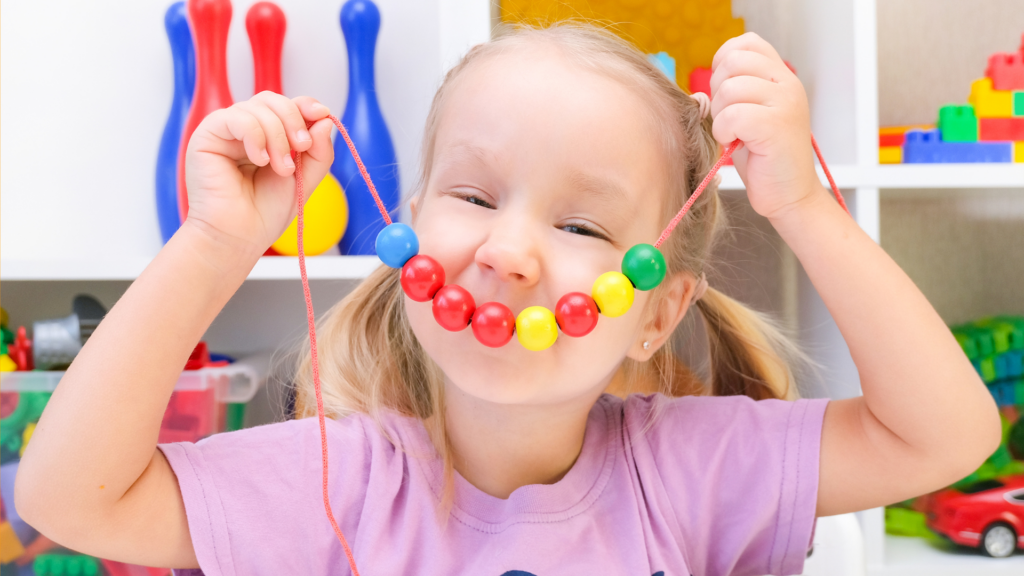
When Speech Therapy for Toddlers Is Recommended
Speech therapy for toddlers is often recommended when a child shows signs that their communication development is not progressing as expected for their age. While every child develops at their own pace, consistent delays in speech, language understanding, or interaction can indicate a need for additional support. Early identification allows toddlers to receive help during a critical period of brain development when intervention is most effective. Speech therapy focuses on building foundational skills in a supportive, play-based environment. Recognizing when therapy may be beneficial helps families take proactive steps toward supporting their child’s communication growth.
Delays in Speech and Language Milestones
One of the most common reasons speech therapy for toddlers is recommended involves delays in meeting expected communication milestones. These milestones provide general guidance for typical language development.
Limited Use of Words or Sounds for Age
Toddlers who use very few words, rely mostly on gestures, or make limited speech sounds may benefit from speech therapy. A reduced vocabulary can make it difficult for children to express needs and ideas. Speech therapy helps expand word use through modeling and interactive play. Increased verbal expression reduces frustration. Early support encourages steady language growth.
Difficulty Combining Words or Expanding Language
Some toddlers may use single words but struggle to combine them into short phrases. This difficulty can affect overall communication effectiveness. Speech therapy supports sentence development in age-appropriate ways. Therapists encourage language expansion through everyday interactions. Building early sentence skills supports future communication.
Challenges With Understanding Language
Understanding language is a critical component of communication. Speech therapy for toddlers may be recommended when comprehension appears limited.
Trouble Following Simple Directions
Toddlers who struggle to follow basic directions may have receptive language delays. This difficulty can affect daily routines and learning. Speech therapy strengthens listening and comprehension skills. Improved understanding supports cooperation and engagement. These skills are essential for later learning.
Limited Response to Spoken Language
Some toddlers may not consistently respond to their name or spoken cues. This lack of response can indicate challenges with language processing. Speech therapy helps increase awareness of language. Therapists use engaging strategies to improve responsiveness. Strong receptive skills support expressive language development.
Social Communication and Interaction Concerns
Speech therapy for toddlers also addresses social communication skills that support interaction with others. These skills are essential for connection and learning.
Limited Eye Contact or Joint Attention
Joint attention involves sharing focus with another person, such as looking at an object together. Toddlers who have difficulty with joint attention may benefit from speech therapy. Therapy activities encourage shared attention during play. Improved joint attention supports language learning. Social engagement becomes easier.
Difficulty Engaging in Back-and-Forth Interaction
Back-and-forth interaction forms the foundation of conversation. Some toddlers may struggle with turn-taking or engagement. Speech therapy helps build these interaction skills. Structured play promotes reciprocity. These skills support social development.
Frustration or Behavioral Challenges Related to Communication
Communication difficulties often lead to frustration for toddlers. Speech therapy can help address these challenges.
Frequent Tantrums Due to Difficulty Expressing Needs
Toddlers who cannot express themselves may become frustrated. This frustration can appear as tantrums or withdrawal. Speech therapy provides alternative ways to communicate. Improved communication reduces behavioral challenges. Emotional regulation improves with expression.
Reliance on Gestures Instead of Words
While gestures are a natural part of early communication, overreliance may indicate delayed speech. Speech therapy helps transition from gestures to words. Therapists encourage verbal communication alongside gestures. This progression supports clearer expression. Balanced communication develops.
Concerns Identified by Parents, Caregivers, or Pediatricians
Sometimes concerns arise through observation rather than milestone tracking. Speech therapy for toddlers may be recommended based on professional or parental insight.
Parental Concerns About Communication Development
Parents often notice subtle communication challenges early. Trusting these observations is important. Speech therapy provides evaluation and guidance. Early support addresses concerns proactively. Parents gain clarity and reassurance.
Recommendations From Pediatricians or Early Educators
Pediatricians and educators may recommend speech therapy based on screenings or observations. These recommendations help guide families toward support. Speech therapy evaluations clarify needs. Collaboration ensures comprehensive care. Early referral supports positive outcomes.
What Parents Can Expect From Speech Therapy for Toddlers
Speech therapy for toddlers is designed to feel supportive, engaging, and developmentally appropriate for young children and their families. Parents can expect a collaborative process that focuses on understanding their child’s unique communication needs while building skills through play-based activities. Therapy sessions are structured to encourage progress without pressure, allowing toddlers to learn at their own pace. Throughout the process, parents are actively involved and supported with guidance and strategies they can use at home. Knowing what to expect helps families feel confident and prepared as they begin speech therapy.
A Play-Based and Child-Centered Approach
Speech therapy for toddlers relies heavily on play, as play is how young children naturally learn and communicate. Sessions are designed to be enjoyable and motivating rather than clinical or rigid.
Using Play to Encourage Communication
Therapists use toys, games, songs, and interactive activities to create opportunities for communication. Play-based therapy encourages toddlers to use sounds, words, and gestures in meaningful ways. This approach helps children feel comfortable and engaged during sessions. Learning through play supports natural skill development. Communication emerges more easily in a relaxed environment.
Following the Child’s Interests and Pace
Therapy sessions are guided by the child’s interests and developmental level. Therapists adjust activities to match attention span and engagement. This flexibility helps toddlers stay motivated and responsive. Progress builds gradually without overwhelming the child. A child-centered pace supports positive learning experiences.
Individualized Goals Based on Each Child’s Needs
Every toddler enters speech therapy with different strengths and challenges. Therapy plans are tailored to meet each child where they are developmentally.
Conducting an Initial Evaluation and Ongoing Assessment
Speech therapy typically begins with an evaluation to understand a child’s communication skills. This assessment looks at speech, language, and interaction abilities. Findings help guide therapy goals and strategies. Progress is monitored over time. Adjustments are made as skills develop.
Creating Goals That Support Meaningful Progress
Therapy goals focus on practical communication skills that support daily life. Goals may include increasing vocabulary, improving understanding, or encouraging interaction. Each goal is developmentally appropriate and achievable. Meaningful progress builds confidence. Goals evolve as the child grows.
Active Parent Involvement and Education
Parents play an essential role in speech therapy for toddlers. Therapy extends beyond sessions into everyday routines at home.
Learning Strategies to Use at Home
Speech therapists teach parents strategies that support communication during daily activities. These strategies fit naturally into playtime, meals, and routines. Consistent practice reinforces therapy goals. Parents feel empowered to support progress. Home involvement strengthens outcomes.
Regular Communication About Progress and Next Steps
Parents receive ongoing updates about their child’s progress. Therapists explain what skills are improving and what to focus on next. Open communication helps families stay informed. Questions are encouraged throughout the process. Collaboration builds trust and clarity.
Gradual and Measurable Progress Over Time
Speech therapy for toddlers focuses on steady, meaningful progress rather than immediate results. Development unfolds gradually.
Celebrating Small Milestones Along the Way
Progress may begin with small changes, such as increased sounds or improved attention. These milestones are important indicators of growth. Therapists celebrate each step forward. Recognizing progress keeps families motivated. Small gains lead to bigger improvements.
Understanding That Progress Looks Different for Every Child
Each toddler responds to therapy differently. Some children progress quickly, while others need more time. Speech therapy respects individual learning styles. Comparisons are avoided. Personalized pacing supports success.
A Supportive and Encouraging Environment
Speech therapy creates a positive environment where toddlers feel safe to try new communication skills. Emotional support is an important part of the process.
Building Confidence Through Positive Reinforcement
Therapists use encouragement and praise to build confidence. Positive reinforcement motivates toddlers to participate and increased confidence supports communication attempts. Children feel proud of their progress. Emotional support enhances learning.
Creating a Comfortable Space for Learning
Therapy sessions are designed to feel welcoming and engaging with plenty of soft toys and games. Having this comfortable environment reduces anxiety for both children and parents. Toddlers feel more willing to communicate. Familiar routines support participation and having a comforting, welcoming environment enhances progress.
Why Early Speech Therapy for Toddlers Leads to Better Long-Term Outcomes
Early speech therapy for toddlers takes advantage of a critical period of brain development when children are most responsive to learning communication skills. During the toddler years, neural pathways related to speech and language are rapidly forming, making early support especially effective. Addressing communication challenges early helps children build strong foundational skills that support learning, social interaction, and emotional development. Early intervention can also reduce the need for more intensive services later in childhood. By starting speech therapy early, families give their children the best opportunity for long-term communication success.
Taking Advantage of Rapid Brain Development
The toddler years are marked by significant brain growth and adaptability. Speech therapy during this time supports lasting skill development.
Supporting Neural Pathways for Language Learning
Young children’s brains are highly flexible and responsive to language input. Speech therapy provides structured, meaningful opportunities to strengthen neural connections related to communication. Early support helps language skills develop more efficiently. Strong neural pathways support future learning. Early input leads to lasting benefits.
Encouraging Natural Skill Acquisition
When therapy begins early, communication skills develop alongside other milestones. Toddlers learn speech and language in ways that feel natural rather than forced. Therapy aligns with typical developmental patterns. This approach supports smoother progress. Natural learning builds confidence.
Preventing Secondary Challenges From Emerging
Untreated communication delays can impact other areas of development over time. Early speech therapy helps reduce these risks.
Reducing Frustration and Behavioral Difficulties
Toddlers who struggle to communicate may become frustrated or withdrawn. Early therapy provides tools to express needs more effectively. Improved communication often leads to calmer behavior. Emotional regulation improves as frustration decreases. Early support benefits the whole family.
Supporting Social and Emotional Growth
Communication skills are closely tied to social development. Speech therapy helps toddlers engage with peers and caregivers more confidently. Early success in interaction supports emotional well-being. Positive social experiences build self-esteem. Social growth supports long-term adjustment.
Supporting Academic and Learning Readiness
Early communication skills play an important role in future learning. Speech therapy helps prepare toddlers for educational environments.
Building Skills Needed for Preschool and Classroom Settings
Speech therapy supports listening, following directions, and expressive language skills needed in group settings. Toddlers who receive early support are better prepared for structured learning environments. Communication competence supports participation. Readiness reduces stress during transitions. Preparation supports success.
Strengthening Early Literacy Foundations
Language development supports later reading and writing skills. Speech therapy helps build vocabulary, sentence structure, and comprehension. These skills form the basis for literacy. Early gains compound over time. Strong foundations support academic growth.
Reducing the Need for Intensive Intervention Later
Starting speech therapy early can lessen the need for more complex services in the future. Early progress supports smoother development.
Addressing Challenges Before They Escalate
Small delays can become more significant if left unaddressed. Early therapy targets concerns before they grow. Proactive support reduces long-term impact. Early progress often requires less intervention later. Prevention supports efficiency.
Promoting Independence and Confidence
Early speech therapy helps toddlers develop confidence in their communication abilities. Confidence encourages independence. Children feel more capable expressing themselves. This independence supports growth across environments. Confidence carries forward.
Why Toddler Speech Therapy Supports Lasting Communication Growth in Porter Ranch

Toddler speech therapy plays a vital role in supporting long-term communication development during the years when the brain is most adaptable. In Porter Ranch, families benefit from early, structured support that helps toddlers build essential speech and language skills before challenges become more complex. Addressing communication delays early allows children to develop confidence, reduce frustration, and engage more fully with their surroundings. Speech therapy focuses on strengthening foundational skills that support future learning, social interaction, and emotional regulation. This early investment often leads to more lasting and meaningful communication growth over time.
Building Strong Communication Foundations Early
Early speech therapy focuses on developing the foundational skills toddlers need to communicate effectively as they grow. These early competencies influence long-term outcomes across multiple areas of development.
Supporting Language Development During Critical Growth Periods
The toddler years represent a critical window for language development. Speech therapy takes advantage of this period by supporting the brain’s natural ability to learn and adapt. Targeted strategies help strengthen early language pathways. Early support often leads to faster and more sustainable progress. This foundation supports future communication success.
Preventing Small Delays From Becoming Larger Challenges
When communication delays are addressed early, they are less likely to impact later learning or social skills. Speech therapy helps identify and address gaps before they widen. Early intervention reduces the need for more intensive support later. Proactive care supports smoother developmental progress. Prevention plays a key role in long-term growth.
Supporting Social, Emotional, and Behavioral Development
Communication skills are deeply connected to a toddler’s social, emotional, and behavioral development, making speech therapy an important support beyond verbal language alone. When toddlers struggle to communicate, it can affect how they interact with others, manage emotions, and respond to everyday situations. Speech therapy helps children develop the tools they need to express themselves more clearly, which often leads to improved behavior and emotional regulation. As communication improves, toddlers are better able to engage with caregivers, peers, and their environment. This holistic support strengthens both communication and overall well-being.
Reducing Frustration Through Improved Communication
Toddlers often experience frustration when they cannot express their needs. Speech therapy provides tools that help children communicate more effectively. As communication improves, frustration decreases. Reduced frustration supports positive behavior. Emotional regulation improves alongside communication skills.
Encouraging Positive Social Interaction
Speech therapy helps toddlers engage more confidently with caregivers and peers. Activities promote turn-taking, shared attention, and interaction. These skills support early friendships and cooperation. Strong social communication builds confidence. Positive interactions reinforce learning.
Strengthening Speech Clarity and Understanding
Clear communication relies on both the ability to produce speech sounds and the ability to understand language, and speech therapy addresses both of these essential areas. Toddlers benefit from support that targets how they process language as well as how they express it verbally. By focusing on clarity and comprehension together, speech therapy helps children communicate more effectively in daily routines. Improvements in these areas often lead to increased confidence and participation. Balanced development supports long-term communication success.
Improving Speech Sound Development
Speech therapy supports the development of age-appropriate speech sounds. Therapists use play-based strategies to encourage sound exploration and clarity. Gradual improvement increases intelligibility. Clear speech supports confidence. Progress builds naturally over time.
Enhancing Listening and Comprehension Skills
Understanding language is just as important as producing it. Speech therapy strengthens listening skills and comprehension. Toddlers learn to follow directions and respond appropriately. Improved comprehension supports daily routines. These skills prepare children for future learning.
Encouraging Consistency Between Therapy and Home
Consistent support across environments plays a key role in lasting communication growth for toddlers. Speech therapy is most effective when strategies used in sessions are reinforced at home during everyday activities. By involving families in the therapeutic process, children receive repeated opportunities to practice skills in meaningful contexts. This consistency helps toddlers generalize communication skills more effectively. A collaborative approach strengthens progress over time.
Teaching Families Practical Communication Strategies
Speech therapists work closely with families to share strategies that support communication at home. These tools fit naturally into daily routines. Consistent practice reinforces progress. Parents become confident partners in therapy. Collaboration strengthens outcomes.
Creating a Supportive Communication Environment
Speech therapy helps families create environments that encourage communication. Simple adjustments promote interaction and engagement. A supportive environment enhances learning opportunities. Consistency supports retention. Everyday moments become meaningful practice.
Supporting Long-Term Learning and Independence
Early speech therapy provides a strong foundation that supports learning and independence well beyond the toddler years. Communication skills developed early influence a child’s ability to succeed socially, academically, and emotionally as they grow. By addressing challenges early, speech therapy helps children build confidence and adaptability. These early gains often continue to support development across new environments and expectations. Long-term growth begins with strong early support.
Preparing Toddlers for Preschool and Beyond
Speech therapy supports skills needed for school readiness. Communication competence helps toddlers follow instructions and interact in group settings. Early support eases transitions. Prepared children adapt more easily. Readiness supports confidence.
Building Skills That Grow With the Child
Speech therapy focuses on skills that continue developing as children grow. Foundations support future language, literacy, and social skills. Early gains compound over time. Growth remains flexible and adaptable. Long-term success begins early.
Locate an Experienced Toddler Speech Therapist in LA County Today
Finding the right support for your toddler’s communication development in the LA county area can make a meaningful difference during these important early years. At Therapy Clubhouse, we understand how early speech and language challenges can affect a child’s confidence, behavior, and daily interactions. We take a personalized, play-based approach to therapy that meets toddlers where they are developmentally while encouraging steady progress. Our experienced speech therapists work closely with families to create a supportive environment that nurtures communication growth both during sessions and at home.
We’re proud to support families throughout Ventura and Los Angeles County with compassionate, evidence-based speech therapy designed specifically for toddlers during these critical early years of development. Our experienced team focuses on building strong foundational communication skills that help children express their needs, engage with others, and develop confidence as they grow. By partnering closely with parents every step of the way, we ensure therapy strategies carry over into everyday routines, playtime, and real-life interactions at home. This collaborative approach allows progress to feel natural, consistent, and meaningful for both children and families. To learn how Therapy Clubhouse can support your child’s communication development, schedule an appointment with us today online or by calling (805) 624-3301 and take the next step toward helping your toddler thrive.