
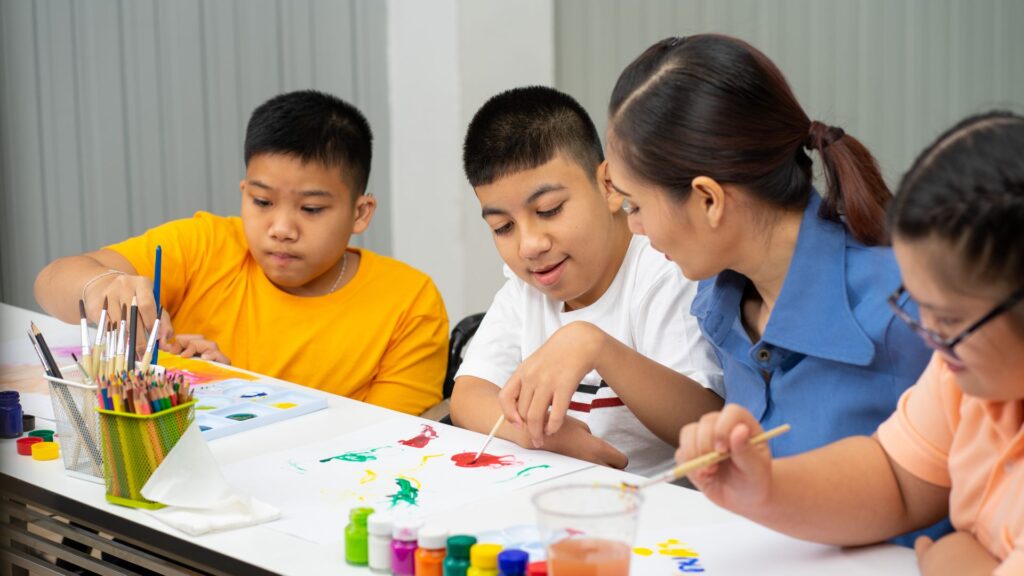
Joint Attention Therapy for Children creates experiences where kids learn to share focus, observe what others are doing, and participate with someone they feel safe with. At Therapy Clubhouse in Ventura County, we help children experience the joy of shared focus through simple moments that build understanding and connection. These early interactions become the foundation for communication, social learning, and deeper relationships.
We created a space where children can explore, notice, and connect at their own pace. Our team uses play, gentle guidance, and emotionally safe experiences to help children discover how meaningful it can be to look toward someone, share an activity, or follow another person’s gaze. Every small moment becomes a step toward stronger engagement and richer communication. If you would like to learn how Joint Attention Therapy for Children can support your child’s development, we would love to talk. You can reach us at (805)624-3301 or visit our contact page to begin with a conversation that feels hopeful, encouraging, and centered on your child’s ability to connect.

Everyday moments carry powerful opportunities for connection, learning, and shared meaning, and Joint Attention Therapy helps children discover how to participate in these moments with confidence. Simple routines such as playing with a favorite toy, reading a story, or noticing something interesting outside can become gateways for communication when children learn how to share focus with someone they trust. At Therapy Clubhouse, we help children find comfort in these shared experiences so they can join in naturally and feel included. Joint attention becomes a bridge between their inner world and the people they love, giving them a clearer sense of how to meet others in meaningful moments.
When children understand how to share attention, daily life begins to feel more predictable and engaging. They become more aware of what others are noticing and can participate in a way that feels connected and enjoyable. Our approach blends gentle guidance with playful interaction so children can explore these skills at a pace that feels safe. Through this supportive process, shared moments become easier to initiate and more rewarding. This steady progress builds the foundation for communication, emotional understanding, and deeper relationships that carry into home, school, and community settings.
Shared noticing helps children learn how to pay attention to something alongside another person, which becomes the starting point for many social and communication skills. When a therapist or caregiver gently draws a child’s attention to a toy, a sound, or a movement, the child begins to understand how noticing together can create a sense of connection. These early experiences help them see how others explore the world and how they can join in. As children practice shared noticing during play and routines, they become more attuned to the environment and more aware of the people around them. This new awareness often leads to increased curiosity and a stronger desire to participate.
Shared gaze teaches children that looking toward the same thing as another person can feel comforting and interesting. This simple act helps them link their attention with someone else’s attention, which builds early social understanding. Over time, they begin to seek out these shared looks more often.
Shared gaze motivates children to explore what others are noticing. As they grow familiar with this experience, they become more willing to look, notice, and connect in new situations.
Noticing things together helps children understand routine activities more clearly. Whether it is pointing to a snack, following a gesture toward a book, or watching a bubble float across the room, shared noticing creates predictability and comfort. These familiar patterns help children feel grounded during transitions and daily tasks.
Predictability helps children feel more secure as they move through their day. As routines become easier to understand, participation becomes more natural.
Participation in shared activities helps children move from observing a moment to becoming part of it. Joint Attention Therapy supports this transition by guiding children toward turn taking, imitation, and playful exchanges that feel enjoyable and manageable. When children engage in activities with a therapist or caregiver, they begin to understand the rhythm of social interaction. These experiences help them learn how to stay involved in an activity even when it requires waiting, watching, or responding. As children practice these interactions, they become more confident participants in everyday moments at home and beyond.
Turn taking teaches children that interactions have a gentle back and forth pattern. This structure helps them understand how to wait, respond, and stay engaged during play. Through repeated practice, turn taking becomes familiar and less overwhelming.
Turn taking helps children learn patience in a predictable way. As they understand the pattern, they become more comfortable participating.
Simple routines such as rolling a ball, stacking blocks, or blowing bubbles can become rich opportunities for engagement. These playful exchanges give children a clear sense of how to join in and how to remain part of the activity. With consistent support, these small experiences grow into longer periods of shared participation.
Familiar routines help children know what to expect. This comfort allows them to stay involved and explore communication more naturally.
Shared enjoyment is a key part of joint attention because it helps children understand the emotional side of connection. When children smile, laugh, or show excitement during a shared activity, they begin to feel how relationships grow through positive experiences. Joint Attention Therapy creates many opportunities for these joyful moments so children can associate connection with comfort rather than uncertainty. As children experience more shared enjoyment, they become more motivated to seek out interactions and more capable of forming warm, trusting relationships with caregivers, peers, and family members.
Joyful moments help children feel close to the people they are interacting with. These experiences show them that connection can feel safe and enjoyable. Over time, these shared moments help build emotional trust.
Emotional trust encourages children to return to shared activities. As they feel safe, they become more willing to communicate and connect.
Shared satisfaction helps children see that communication can lead to positive experiences. When children notice adults celebrating their engagement, they begin to try new gestures, sounds, or expressions. This confidence supports early communication development and encourages further participation.
Positive feedback motivates children to continue exploring communication. These early successes create meaningful momentum that supports long term development.
Joint attention plays a vital role in helping children understand how communication works and how relationships grow. When children learn to notice what someone else is noticing, they begin to understand that communication is shared and that interactions involve more than one perspective. Joint Attention Therapy creates gentle pathways for children to explore these early skills in ways that feel supportive and inviting. At Therapy Clubhouse, we help children build these foundations through play, shared curiosity, and warm engagement so progress unfolds in a natural and joyful way. As children become more comfortable sharing attention, they begin to show early signs of communication that support long term growth.
Social and communication development begin to flourish when children learn how to connect with another person in simple and meaningful moments. Joint Attention Therapy guides children toward this understanding by helping them participate in exchanges where they feel seen and valued. These shared experiences create opportunities for gestures, early vocalizations, and expressive communication to emerge. When these skills are nurtured with patience and celebration, children gain the confidence to explore new forms of engagement. Over time, these early steps lay the groundwork for expressive language, social understanding, and emotional connection.
Early social awareness grows when children begin to understand how people interact with one another. Joint Attention Therapy helps children notice how others look, respond, and participate, which creates a foundation for understanding social cues. When a child learns to follow another person’s gaze or respond to an invitation to look at something together, they begin to see how shared experiences form the basis of relationships. These early realizations help children feel more connected to the people around them and more aware of how to join activities with confidence. Through repeated practice, these skills become more natural and supportive of future social interactions.
Shared focus helps children experience what it feels like to pay attention to something with another person. This early connection helps them notice expressions, reactions, and patterns within social exchanges. As these shared experiences become familiar, children begin to join in more willingly.
Connection helps children feel safe in social settings. As they experience these moments, they become more open to joining interactions and exploring new forms of communication.
Joint attention helps children understand social cues such as eye contact, gestures, and facial expressions. These cues guide interactions and help children interpret the intentions of others. Learning these patterns allows children to participate in a more meaningful and coordinated way.
Recognizing social cues helps children anticipate what might happen next. This awareness builds confidence and improves their ability to engage with peers and caregivers.
Communication begins with shared understanding, and joint attention gives children a way to experience that understanding even before words are present. When children learn to point, gesture, or look toward something with another person, they are building key steps in the communication process. These early actions show that communication is a shared experience that helps both people understand each other. Through Joint Attention Therapy, children learn how these small steps create meaning and connection, which encourages them to explore more expressive forms of communication. As these patterns repeat, children begin to experiment with new gestures, vocalizations, and early communication attempts.
Shared actions such as pointing, shifting gaze, or reaching toward an object help children express their interests. These early expressions show adults what the child is thinking or noticing. Over time, these simple expressions become more intentional.
Intentional expression helps children feel understood. As they see their gestures create responses, they become more comfortable expressing themselves.
Joint engagement encourages children to vocalize during shared experiences. When they feel connected, they are more likely to experiment with sounds, babbling, or simple attempts to communicate. These early vocalizations help build the rhythm of communication.
Vocal practice helps children become more confident using their voice. As they explore these sounds, early language skills begin to develop naturally.
Relationships grow through shared experiences that feel meaningful and emotionally safe. Joint Attention Therapy creates moments where children can enjoy these experiences alongside someone who understands and supports them. When children share a smile, a laugh, or a moment of excitement with a caregiver or therapist, they begin to understand how joyful interaction strengthens relationships. These early connections help children develop trust, which becomes essential for long term social and emotional development. With consistent support, children become more willing to seek out these shared interactions and build relationships with greater ease.
Shared enjoyment helps children form bonds with others during play and everyday activities. When they feel safe and happy during these moments, they begin to associate relationships with positive experiences. This emotional connection supports deeper social growth.
Positive emotion helps children feel secure in their relationships. This trust encourages them to explore more interactions and build stronger social connections.
Joint participation teaches children how to interact with others in simple but important ways. These shared interactions create a sense of belonging and help children feel more connected to the people around them. As they gain confidence, relationships become easier to form and maintain.
Participation gives children the chance to practice being part of a group or shared activity. This practice helps them feel more comfortable and empowered during social moments.
Families choose Therapy Clubhouse because they want their child to learn and connect in a place that feels warm, safe, and filled with genuine encouragement. Joint attention skills grow best when children feel comfortable enough to explore shared experiences, and our environment is designed to make that comfort possible. We create a space where children can learn through play, gentle guidance, and moments of shared discovery. These moments help children experience the joy of noticing something with another person and participating in activities that strengthen early connection. As these experiences become familiar, children begin approaching interactions with more curiosity and confidence.
Trust is built not through pressure but through kindness, patience, and genuine belief in each child’s potential. At Therapy Clubhouse, we celebrate every small step because we know these steps carry extraordinary meaning for families. Our therapists take time to understand each child’s unique way of engaging so joint attention can grow naturally and consistently. Families often tell us they feel a sense of relief when their child begins connecting more easily in sessions, because it feels like the beginning of deeper communication and shared understanding. This supportive atmosphere helps progress unfold in a way that feels steady and reassuring for everyone.
The environment at Therapy Clubhouse plays an important role in helping children feel ready to engage in joint attention. Our space is filled with opportunities for exploration, movement, and sensory experiences that draw children into play. When children feel relaxed and interested, they are more willing to notice what someone else is noticing. This openness becomes the first step toward shared attention. The sensory gym, inviting play areas, and calm therapy rooms offer children the variety they need to feel comfortable and curious. As children become familiar with these surroundings, they begin to participate more actively in shared moments.
Sensory rich spaces help children stay engaged because they offer a gentle balance of stimulation and comfort. These areas allow children to explore textures, sounds, and movement, which naturally encourages curiosity. With each new discovery, opportunities for shared attention become easier to create.
Comfort encourages children to participate in interactions without hesitation. As they settle into the environment, they become more willing to explore communication and joint attention.
Playful settings help children find joy in interacting with others. When activities feel fun and inviting, children begin to notice the adult who is sharing the moment with them. This noticing helps them connect more easily and build early communication patterns.
Shared play helps children understand the value of interacting with someone they trust. These early experiences become the building blocks for stronger joint attention skills.
Families trust our team because we meet children exactly where they are. Joint attention grows through experiences that feel safe, guided, and responsive, and our therapists approach each session with warmth and intention. By tuning in to a child’s pace, interests, and comfort level, we create interactions that feel natural rather than demanding. As children notice that their therapist is paying close attention to their cues, they begin to respond with more engagement. This responsiveness strengthens the child’s sense of connection and makes shared attention moments feel rewarding and meaningful.
Attunement allows our therapists to respond in ways that help children feel seen and valued. When a child glances toward an object or smiles during play, the therapist joins that moment with genuine interest. This response helps children understand that their actions matter.
Feeling understood encourages children to seek out more shared experiences. This trust becomes essential for building joint attention skills.
Gentle guidance helps children learn how to shift their attention and participate without feeling overwhelmed. Therapists use small gestures, shared play, and simple invitations to help children engage. Over time, these moments help children understand the rhythm of joint interaction.
Guidance provides structure without pressure. As children feel this balance, their engagement becomes more confident and consistent.
At Therapy Clubhouse, supporting families is just as important as supporting children. We know joint attention can feel difficult to encourage at home when parents are unsure what steps to take. Our team takes time to explain each strategy and show caregivers how simple moments in daily life can become opportunities for shared connection. Families learn how to use play, routines, and gentle encouragement to support their child’s progress. As parents begin to notice small changes, their confidence grows, and they feel more capable of helping their child build joint attention in natural and meaningful ways.
Clear communication helps families understand what their child is working on and why each skill matters. When caregivers know how to support these moments at home, progress carries into daily routines more easily. This clarity reduces stress and builds confidence.
Confidence helps caregivers participate more actively in their child’s learning. This involvement creates more shared opportunities for connection.
Emotional support helps families feel grounded as they learn new ways of connecting with their child. We provide reassurance, celebrate progress, and guide parents through moments that feel uncertain. This partnership helps families feel supported and hopeful.
Shared understanding helps families stay engaged in therapy and at home. This consistency strengthens the child’s ability to build joint attention in all environments.
Your child deserves moments of connection that feel safe, joyful, and filled with possibility. Joint Attention Therapy at Therapy Clubhouse helps children discover how meaningful it can be to notice something with another person and share that experience with confidence. Our team is here to guide your family every step of the way so progress feels natural and encouraging. Each small moment of shared focus becomes a foundation for deeper communication, stronger relationships, and a growing sense of connection.
If you are ready to explore how Joint Attention Therapy can support your child, we would love to talk with you. Our staff is here to answer questions, offer reassurance, and help you begin a path that feels hopeful. Reach out to Therapy Clubhouse at (805)624-3301 or visit our contact page and take the first step toward a journey that brings your child closer to the people who care for them.