
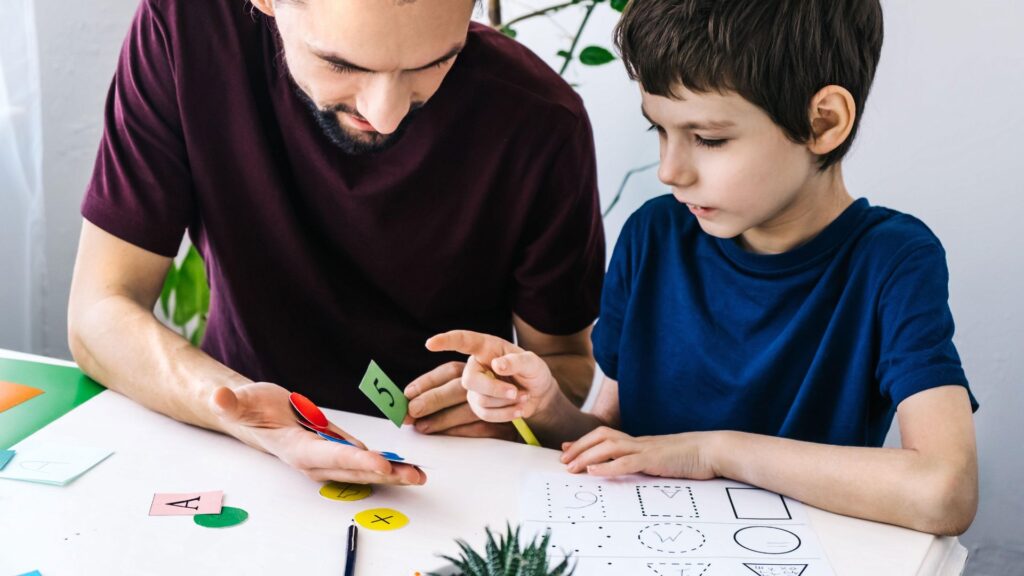
Picture Exchange Communication System Therapy for Children offers a simple and empowering way for young communicators to share their needs, express preferences, and build confidence through pictures. At Therapy Clubhouse in Ventura County, we use PECS to help children be heard. Picture based communication allows children to participate more fully in their world through choices, play, and shared moments of success.
We created a space where learning to communicate feels safe and encouraging. Our approach blends clear visual support with warm interaction so children can use pictures in a way that feels meaningful. PECS sessions at Therapy Clubhouse are guided by your child’s interests and strengths, which makes the experience feel natural and personal to each child. With gentle prompting and celebration, children discover that communication can take many forms. If you would like to explore how Picture Exchange Communication System Therapy for Children can support your child, our team would love to help. You can reach us at (805)624-3301 or visit our contact page to begin a conversation that feels hopeful, supportive, and centered on your child’s voice.
Early communication skills grow when children feel supported, understood, and able to express themselves in ways that feel comfortable. Picture Exchange Communication System therapy creates a pathway for children to communicate even before spoken words are ready to emerge. Through pictures, children learn that their choices and interests can lead to meaningful interactions, and each successful exchange builds trust in the communication process. This early success becomes a foundation for more confident participation, giving children a way to share their voice in a world that may have felt difficult to navigate. As communication begins to take shape, children discover that their actions have purpose, and communication becomes something they can initiate with pride.
At Therapy Clubhouse, we use PECS to help children find clarity and confidence in how they communicate. Picture based communication becomes a gentle bridge between a child’s inner world and the people around them. Our team focuses on early communication moments that feel joyful and achievable, reinforcing the belief that every attempt matters. Children are encouraged to explore pictures, make choices, and connect those choices with real outcomes during play and daily routines. These early exchanges help children understand how communication works, and over time, their participation becomes more intentional, connected, and meaningful.
Children begin learning to communicate through pictures by discovering that a simple symbol can lead to a meaningful interaction. That realization often happens during moments of curiosity, when a child reaches for a picture and notices that doing so brings a desired object or action. These early exchanges show children how communication functions as a bridge between their needs and the world around them. As children repeat these picture based interactions, their confidence grows because they can see the direct impact of their choices. With each successful exchange, communication becomes less intimidating and more empowering.
Visual clarity helps children understand communication steps more easily. Pictures offer concrete representations that make it easier for children to express themselves without relying on spoken language. This support creates a reliable pathway for communication that feels straightforward and accessible.
Consistent symbols help children recognize that the same picture always leads to the same result. This predictability builds comprehension and encourages children to use pictures more independently.
Picture exchanges help children learn how to initiate communication by giving them a clear action that leads to a response. When a child offers a picture to an adult, they experience the power of starting an interaction. This intentional step helps children feel more engaged and more in control of their communication experiences.
Initiating communication helps children understand their role in the interaction. As they take more ownership, their willingness to communicate grows.
PECS encourages children to initiate interactions by giving them a simple, concrete way to communicate their needs or preferences. Instead of waiting for someone to guess what they want, children learn that they can take the lead. This shift often brings relief and excitement, especially for children who may have previously felt misunderstood. Initiating communication becomes a powerful milestone because it shows children that their choices matter. With each exchange, they learn that reaching out is safe, effective, and rewarding.
Early initiation helps children become more active participants in their interactions. When a child hands over a picture, they experience the beginning of a conversation. This involvement helps them feel valued and encourages them to continue communicating in more natural settings.
Active roles help children understand that communication is a shared experience. Their participation becomes the starting point for developing more complex communication skills.
Positive reinforcement occurs naturally during PECS when children see that their actions lead to meaningful outcomes. Each successful exchange encourages them to continue trying, and these confident attempts build stronger communication habits. Over time, communication becomes woven into their daily routines, creating more opportunities for connection and expression.
Positive moments help children associate communication with joy and success. These emotional experiences support long term motivation and participation.

Social interaction begins with connection and the feeling of being understood. Picture Exchange Communication System therapy helps children build these early moments of connection by giving them a reliable way to communicate with the people around them. Even before spoken words develop, picture exchanges become powerful opportunities for shared engagement. A child hands a picture to an adult and receives something meaningful in return. That simple exchange becomes a moment of shared participation, and that shared participation becomes the foundation for early social understanding. At Therapy Clubhouse, these interactions are not rushed or mechanical. They are supported with warmth, play, and genuine interest in how each child communicates their thoughts and feelings.
We use PECS to help children explore the joy that comes from interacting with someone who understands their message. When a child realizes they can create a response through a picture, social engagement becomes more accessible and less overwhelming. Instead of waiting for adults to guess what they need, children learn that communication can begin with them. This awareness encourages more consistent interaction and greater willingness to participate in shared activities. Over time, these small but meaningful exchanges grow into longer moments of joint attention, emotional connection, and playful back and forth communication with family members and peers.
Shared attention develops when two people focus on the same idea or activity, and PECS helps spark these moments through simple, intentional exchanges. When children offer a picture during play, they are inviting someone into their world. That invitation is the first step toward understanding how communication strengthens relationships. Through gentle guidance and positive experiences, children begin to look more often toward the person they are communicating with. This eye contact or shared focus becomes a natural extension of the picture exchange itself. As these moments repeat, children begin to anticipate connection and understand how communication helps them feel seen.
Shared activities, such as playing with toys or exploring pictures together, help children understand how enjoyable communication can be. These experiences teach children that social interaction does not have to feel confusing or pressured. Instead, it can be a moment where they feel supported and understood.
Joy encourages children to return to communication again and again. When they feel happy and connected, they become more open to sharing those moments with others.
Early social reciprocity grows when children experience interactions that flow naturally back and forth. PECS gives children a concrete way to participate in this exchange. A child offers a picture, an adult responds, and a small conversation begins to form. These early patterns teach children that communication is a shared experience that involves both giving and receiving attention.
Reciprocity helps children understand their role in social communication. By participating actively, they recognize that their actions influence the interaction in meaningful ways.
Many families first hear about PECS as a tool for requesting objects or activities, but its value extends far beyond asking for items. At Therapy Clubhouse, picture exchanges become gateways for children to share opinions, participate in routines, and engage in playful interactions that support emotional development. When a child uses a picture to comment on what they notice or to invite someone to play, that picture becomes a vehicle for connection. These experiences show children that communication is more than a transaction. It is a way to create shared moments that strengthen relationships. As children discover new ways to use pictures, their communication becomes more expressive and more connected to the people in their lives.
When children use pictures to show what they like, they begin to involve others in their interests. This type of communication helps build deeper interaction because it allows caregivers and therapists to join in with curiosity and enthusiasm. Children feel valued when their preferences are acknowledged and supported.
Sharing interests helps children feel understood and appreciated. These moments deepen connection and encourage them to communicate more often.
Playful interaction becomes easier when children have a visual way to express their ideas. Pictures help children show what they want to play with, who they want to play with, or how they want an activity to continue. These small decisions help them take on a more active role during play. When communication is supported visually, children feel more confident joining group activities or initiating playful moments with caregivers.
Play helps children explore social roles, practice communication, and build emotional understanding. When pictures support this process, children gain more opportunities to succeed.

Families trust Therapy Clubhouse for Picture Exchange Communication System therapy because they want a place where communication feels possible, encouraged, and gently supported. PECS can be a powerful tool for children who need visual structure to express their needs, and it becomes even more meaningful when delivered in a setting that feels warm and welcoming. At Therapy Clubhouse, children learn to use pictures in an environment that honors their pace, celebrates their discoveries, and supports their emotional comfort. Many parents often tell us they feel relieved when they see their child exchange a picture for the first time, because they realize communication is not something their child must wait to achieve. It can begin right now, in small moments of connection that feel natural and joyful.
Trust grows as families experience how thoughtfully we personalize PECS to match their child’s strengths. Visual communication is not a one size fits all system, and our team takes care to adapt picture choices, layouts, and interactions so each child can participate successfully. Families also appreciate how we include them in the communication journey so they can use PECS confidently at home. When caregivers feel supported, they begin to see communication opportunities throughout everyday life, which helps the child feel understood across all environments. This sense of partnership creates a foundation where progress becomes steady, hopeful, and deeply meaningful.
Children thrive when they feel safe enough to try something new, and our environment is designed to create that sense of safety from the moment families arrive. Warm colors, open play areas, and child friendly spaces help children relax before they begin using pictures to communicate. When children are comfortable, they explore more freely, which makes PECS interactions feel less intimidating. This emotional comfort allows children to participate with curiosity, helping them connect visual symbols with real communication experiences. Each small success reinforces the idea that they can express themselves in ways that feel both supported and rewarding.
Familiar spaces help children settle into communication routines because they know what to expect. The consistency of the environment reduces uncertainty and helps children focus on the pictures and interactions in front of them. This predictability gives them the confidence to practice communication with greater ease.
Comfort helps children remain present during communication activities. When the environment feels safe, children stay engaged long enough for new skills to take shape.
Our sensory rich setting gives children opportunities to explore textures, movement, and visual cues that support attention. When children engage their senses while learning to use pictures, they often make quicker and more meaningful connections. This setting turns communication practice into a natural part of play.
Sensory experiences help anchor learning in familiar sensations. As children explore these sensations, visual communication becomes easier to understand and remember.
Families trust our team because we approach PECS with warmth, patience, and genuine belief in each child’s potential. Early communication attempts are fragile, and children need encouragement that feels inviting rather than pressured. Our therapists create moments where children feel celebrated for every attempt, no matter how small. These moments help children see communication as something they can enjoy and take pride in. Over time, these encouraging interactions help children build stronger communication habits that support long term growth.
Responsive interaction helps children feel understood and valued when they use pictures. We pay close attention to their efforts and respond with enthusiasm that reinforces their desire to communicate. This responsiveness shows children their message matters.
Attunement helps children feel seen. When they feel understood, they become more willing to communicate again.
Encouragement helps children stay open to trying new picture exchanges even when they feel uncertain. By celebrating each step, we help them realize communication is worth the effort. These affirming experiences strengthen their confidence.
Positive experiences help children associate communication with success. This motivation helps them continue participating in communication opportunities at home and in therapy.
We believe families deserve to feel supported throughout the communication journey, especially when their child is learning to express themselves in new ways. Many parents come to us feeling overwhelmed, unsure how to help their child communicate or how to use pictures correctly. We guide families through each stage of PECS with clarity and encouragement so they feel capable and confident. This partnership allows caregivers to take communication tools into their daily routines, which strengthens consistency and helps the child progress more smoothly. Families often tell us they feel hopeful and empowered once they see how PECS can fit naturally into their lives.
Clear guidance helps families understand how to use pictures effectively. We explain each step at a pace that feels manageable so parents can practice with their child confidently. This clarity supports stability across home and therapy environments.
Guidance helps caregivers feel less overwhelmed. When they feel capable, they create more communication opportunities at home.
Collaboration between families and therapists allows communication practice to extend far beyond the therapy session. When everyone works together, children experience consistency that helps PECS skills become more automatic. This shared approach builds a strong foundation for long term communication growth.
Shared support helps children feel guided across all parts of their day. This consistency leads to more meaningful and lasting progress.
Consistency is essential when children are learning to communicate through pictures. When children see the same symbols, routines, and encouragement in multiple settings, they begin to use PECS with greater understanding. Families trust Therapy Clubhouse because we help them create systems that match what happens in therapy. This continuity helps children learn that communication works everywhere, not just in the therapy room. With time, children gain confidence using pictures during meals, play, transitions, and community outings.
Matching picture systems between home and therapy helps children understand communication more clearly. When the symbols are consistent, children spend less energy figuring out what each picture means and more energy learning how to use them effectively.
Familiar pictures help children feel secure as they explore communication. This familiarity supports early independence in expressing their needs.
Daily practice helps children make PECS a natural part of their routine. When parents use pictures consistently, children see communication as a normal part of their day. This regular use encourages lasting growth.
Routines help children understand when and how to use pictures. As routines become predictable, communication becomes easier.
Your child deserves a communication experience that feels encouraging and safe. Picture Exchange Communication System therapy at Therapy Clubhouse gives children a way to share their needs and connect with others in a warm and supportive space. Our team is here to guide your family with steady encouragement so communication becomes something your child approaches with confidence and joy.
If you feel ready to explore how Picture Exchange Communication System therapy can support your child’s growth, we welcome you to reach out. Our staff is here to answer questions, offer reassurance, and help you begin a journey that feels hopeful. Contact Therapy Clubhouse today at (805)624-3301 or visit our contact page and take the first step toward a communication experience that empowers your child and brings comfort to your family.