
Trends in children’s sensory integration therapy are evolving as ongoing research, clinical innovation, and a stronger emphasis on family-centered care reshape how therapists support children with sensory processing challenges. Rather than relying solely on structured, clinic-based exercises, today’s approaches focus on meaningful, play-based experiences that reflect how children naturally learn and interact with the world around them. Modern sensory integration therapy places greater importance on emotional regulation, self-awareness, and helping children apply sensory strategies in real-life environments such as home, school, and social settings. By tailoring therapy to each child’s unique sensory profile and involving caregivers in the process, these emerging trends are helping children feel more confident, better regulated, and more capable of navigating daily activities with independence and success.
At Therapy Clubhouse, we put these modern sensory integration approaches into action every day. Call us at (805) 624-3301 today to speak with our team and learn how we can support your child’s growth and success.
How Trends in Children’s Sensory Integration Therapy Have Evolved
Over time, sensory integration therapy has continued to advance as clinicians gain a deeper understanding of how children process sensory input. These evolving trends reflect a shift toward more personalized, functional, and family-focused care that supports children across environments. As research grows and therapy practices adapt, modern sensory integration approaches now focus on long-term skill development rather than isolated clinical goals. This evolution allows therapy to better support children’s emotional regulation, independence, and daily participation.
The Transition From Standardized Programs to Individualized Care
Earlier sensory integration approaches often relied on standardized protocols designed to address broad sensory challenges. However, therapists now recognize that children experience sensory input in highly individualized ways that require customized intervention. As a result, modern therapy emphasizes detailed assessment and observation to identify each child’s specific sensory needs. This shift allows therapy plans to align more closely with real-life challenges and functional goals.
Developing Personalized Sensory Profiles
Personalized sensory profiles play a critical role in guiding today’s therapy strategies. Therapists carefully evaluate how a child responds to movement, touch, sound, and visual input across different settings. With this information, therapy activities can be selected to support regulation, attention, and engagement more effectively. Consequently, children receive interventions that feel supportive rather than overwhelming.
Greater Emphasis on Play-Based and Child-Led Approaches
Another significant evolution involves the increased use of play as the foundation of therapy sessions. Rather than following rigid routines, therapists now incorporate activities driven by the child’s interests and natural curiosity. This approach encourages motivation, confidence, and active participation throughout the therapy process. As a result, children are more likely to engage consistently and make meaningful progress.
Encouraging Active Participation Through Play
Play-based therapy allows children to take an active role in their development while practicing sensory regulation skills. Therapists intentionally design playful experiences that challenge the sensory system without creating unnecessary stress. Over time, this method supports improved motor planning, attention, and emotional control. Therefore, play becomes both a therapeutic tool and a bridge to real-world skills.
Integration of Emotional Regulation Into Sensory Therapy
Modern sensory integration therapy increasingly acknowledges the connection between sensory processing and emotional well-being. Children who struggle with sensory input often experience frustration, anxiety, or difficulty managing transitions. As a result, therapy now focuses on helping children understand their internal cues and develop calming strategies. This integrated approach supports both sensory regulation and emotional resilience.
Teaching Self-Awareness and Coping Strategies
Therapists guide children in recognizing how their bodies respond to sensory input throughout daily activities. By practicing coping strategies during therapy sessions, children gain tools they can apply independently. Over time, these skills help reduce emotional outbursts and improve adaptability. Consequently, children feel more in control of their responses in challenging situations.
Expanding Therapy Beyond the Clinical Environment
Sensory integration therapy has also evolved to prioritize carryover into everyday environments. Rather than limiting progress to the therapy room, clinicians now focus on functional outcomes at home, school, and in the community. This shift ensures that children can generalize their skills across multiple settings. As a result, therapy becomes more meaningful and sustainable.
Supporting Families and Caregivers
Family involvement has become an essential component of modern sensory integration therapy. Therapists collaborate with caregivers to share strategies that support regulation during daily routines. With consistent reinforcement, children experience greater success outside of therapy sessions. Therefore, families play a vital role in maintaining progress and promoting long-term growth.
Ongoing Adaptation Through Research and Collaboration
The evolution of sensory integration therapy continues as new research informs clinical practice. Therapists regularly refine their methods to align with evidence-based findings and developmental science. Additionally, collaboration among occupational therapists, educators, and families strengthens overall outcomes. This ongoing adaptation ensures that therapy remains responsive to children’s changing needs.
Focusing on Long-Term Functional Outcomes
Current trends emphasize preparing children for long-term success rather than short-term skill acquisition. Therapy goals now prioritize independence, participation, and confidence across daily activities. By addressing sensory challenges within meaningful contexts, therapy supports lasting development. Ultimately, this evolution reflects a commitment to helping children thrive in all aspects of life.
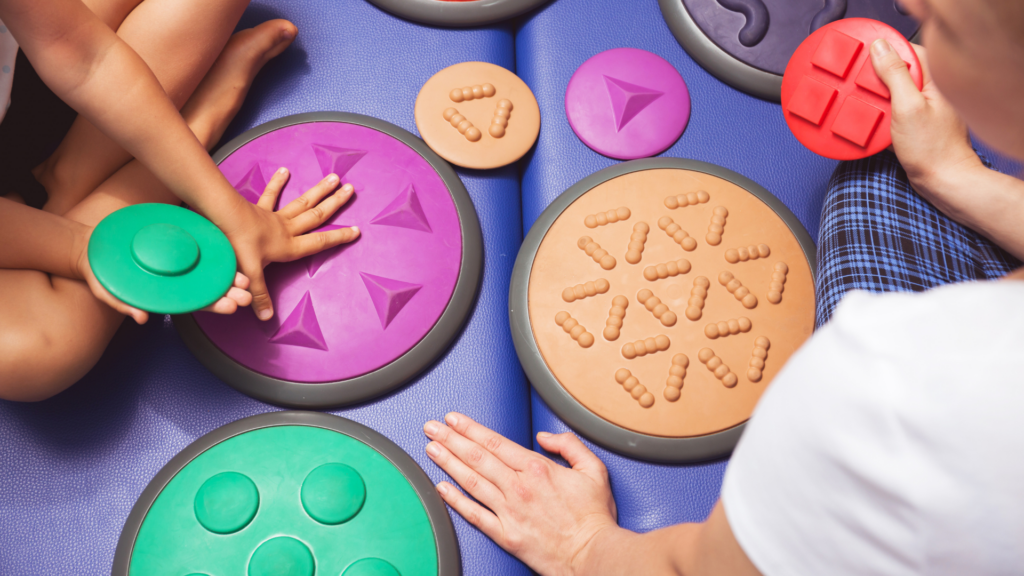
Top Trends in Pediatric Sensory Integration Therapy in 2026
In 2026, pediatric sensory integration therapy continues to evolve with an emphasis on personalized, collaborative, and functional approaches that support children across all settings. These trends focus on real-world outcomes, family involvement, and measurable progress. Practitioners are increasingly integrating sensory strategies with emotional regulation, motor development, and academic performance. As a result, therapy goals extend beyond the clinic to support success at home, in school, and in community environments. These evolving trends reflect a growing understanding of how children learn, adapt, and thrive when given the right tools and support networks.
Individualized Sensory Assessment and Goal Planning
Personalized sensory assessment remains a leading trend for 2026 as clinicians recognize the unique sensory profiles of each child. Traditional one-size-fits-all approaches continue to be replaced with evaluations that consider a child’s specific sensory responses. By focusing on detailed observation and data-driven planning, therapists can set functional goals that matter to children and families alike. This trend supports targeted intervention and more meaningful progress in everyday life.
Integrative Use of Standardized Tools and Clinical Observation
While standardized assessment tools provide key insights into sensory processing patterns, therapists now blend these instruments with real-time clinical observations. Observational data collected across play, movement, and social interaction helps refine intervention plans. With this integrative approach, therapists can better tailor activities to a child’s sensory registration and modulation challenges. Therefore, the resulting therapy is both precise and practical.
Holistic Integration of Emotional Regulation Strategies
Another major trend in 2026 sensory integration therapy involves linking sensory processing with emotional regulation skills. Recent findings highlight how sensory dysregulation often co-occurs with anxiety, frustration, and behavioral challenges. In response, therapists are embedding emotion-focused strategies within sensory activities. This trend equips children with skills that simultaneously support self-control and sensory adaptation.
Teaching Self-Awareness Through Reflective Sensory Activities
Therapists use reflective sensory experiences that help children recognize how their bodies respond to different sensory stimuli. These activities encourage self-awareness and promote the development of internal coping strategies. With repeated practice in therapy, children become more capable of identifying early signs of sensory overload. Over time, this awareness supports improved emotional regulation in both familiar and novel contexts.
Strengthening Family and Caregiver Partnership
Collaborative care with families remains a cornerstone trend for 2026 as therapists work to ensure consistency across environments. Sensory integration strategies are no longer confined to therapy sessions alone but are extended into daily routines at home and in the community. Caregivers receive coaching, tools, and feedback that empower them to support sensory regulation outside the clinic. As a result, children experience greater continuity of care and long-term success.
Empowering Families With Practical Sensory Strategies
Therapists offer families strategies that align naturally with everyday routines such as dressing, mealtime, and transitions. These practical tools help caregivers implement sensory support without disrupting the flow of daily life. When families consistently use these strategies, children often show improved regulation and participation. Therefore, family-led sensory support becomes a vital extension of the therapy process.
Focused Support for School Performance and Participation
In 2026, pediatric sensory integration therapy increasingly emphasizes school readiness and performance. Therapists collaborate directly with educators to adapt classroom environments and routines that support sensory needs. This trend ensures that children can engage more successfully in academic tasks and social activities. By bridging therapy with educational expectations, children receive cohesive support where they spend much of their day.
Adapting School Environments for Sensory Success
Sensory integration professionals work with schools to make environmental adjustments such as strategic seating, movement breaks, and sensory tools that support attention. These adaptations help children manage sensory demands without distraction or disengagement. With consistent support, children can participate more fully in lessons, transitions, and peer interactions. As a result, their confidence and academic involvement increase.
Incorporation of Movement-Based and Motor Planning Interventions
A continued trend for 2026 involves the intentional use of movement and motor planning activities that support sensory processing. These interventions engage the vestibular, proprioceptive, and tactile systems to build foundational skills such as balance and coordination. Movement-based strategies also support attention, executive functioning, and emotional regulation. By integrating motor planning into sensory therapy, clinicians help children build skills that transfer into daily activities.
Enhancing Functional Movement Through Purposeful Play
Therapists use purposeful play activities that challenge sensory integration and motor planning simultaneously. These experiences may include climbing, obstacle courses, and structured movement sequences that require attention and problem-solving. By embedding motor skill challenges within playful contexts, children stay motivated and engaged. Over time, these activities strengthen the neural pathways that support coordination and self-regulated participation.
Data-Driven Outcomes and Measurable Progress
Another leading trend in 2026 sensory integration therapy emphasizes the use of measurable outcomes to track progress. Therapists increasingly rely on objective data and periodic assessments to evaluate the effectiveness of interventions. This outcome-focused approach allows clinicians to adjust strategies responsively and demonstrate meaningful gains over time. With clear benchmarks, families can better understand their child’s progress and celebrate achievements.
Using Objective Measures to Guide Intervention Adjustments
Therapists collect data on sensory responses, participation levels, and functional gains at regular intervals. These objective measures help determine whether strategies are working, need modification, or require a different focus. With this evidence-based approach, therapy becomes more efficient and tailored to each child’s growth trajectory. Consequently, measurable progress motivates both children and families throughout the therapeutic process.
How Trends in Sensory Integration Therapy Helps Children Succeed at Home and School
Modern sensory integration therapy trends place a strong emphasis on helping children function successfully in their everyday environments. Rather than focusing only on isolated skills, therapy now targets real-life routines that occur at home and school. This functional approach allows children to build regulation, confidence, and independence where it matters most. As a result, progress becomes more noticeable and meaningful for both children and caregivers.
Supporting Daily Routines at Home
Current sensory integration therapy trends prioritize helping children manage daily home routines more effectively. Therapists design interventions that support dressing, mealtime, bedtime, and transitions throughout the day. By addressing sensory triggers within familiar routines, children can develop stronger self-regulation skills over time. Consequently, families often experience reduced stress and improved consistency at home.
Improving Transitions and Emotional Regulation
Transitions can feel overwhelming for children with sensory processing challenges. Therapy now focuses on teaching children strategies to prepare their bodies and emotions for change. With consistent practice, children learn how to regulate responses during challenging moments. Therefore, daily transitions become smoother and more predictable.
Enhancing Focus and Participation at School
Sensory integration therapy has evolved to support academic success by improving attention and classroom participation. Therapists address sensory factors that affect sitting tolerance, listening, and task engagement. By supporting sensory regulation, children can focus longer and respond more effectively to instruction. This approach allows learning opportunities to feel more accessible and less frustrating.
Promoting Classroom Readiness
Modern therapy strategies help children develop the sensory foundation needed for classroom readiness. Activities target body awareness, posture, and sensory modulation skills that support learning. Over time, children become more comfortable participating in group activities and structured tasks. As a result, school environments feel less overwhelming and more manageable.
Encouraging Independence Across Environments
Another key trend involves promoting independence rather than reliance on adult support. Sensory integration therapy now teaches children how to recognize their sensory needs and apply appropriate strategies. This self-awareness empowers children to regulate their behavior in different settings. Consequently, children gain confidence navigating both home and school environments.
Building Transferable Self-Regulation Skills
Therapists intentionally practice skills that can transfer across multiple environments. Children learn how to use calming or alerting strategies during real-life scenarios. With repetition, these skills become more automatic and reliable. Therefore, progress continues even outside of therapy sessions.
Strengthening Collaboration Between Families and Schools
Trends in sensory integration therapy emphasize collaboration between caregivers, educators, and therapists. Open communication ensures that strategies remain consistent across environments. When adults work together, children receive clearer support and expectations. This collaborative approach strengthens long-term success at home and school.
Creating Consistency Through Shared Strategies
Consistency plays a vital role in supporting children with sensory processing challenges. Therapists provide families and teachers with practical strategies tailored to the child’s needs. When these strategies are used consistently, children experience greater stability and predictability. Ultimately, this consistency helps children thrive across all areas of daily life.
The Importance of Early Intervention in Sensory Processing Challenges
Early intervention plays a critical role in addressing sensory processing challenges during a child’s most formative developmental years. When sensory difficulties are identified and supported early, children have greater opportunities to build foundational regulation and adaptive skills. Modern therapy trends emphasize proactive support rather than waiting for challenges to escalate. As a result, early sensory integration therapy can positively influence long-term emotional, social, and functional outcomes.
Why Early Sensory Support Matters
During early childhood, the brain demonstrates heightened plasticity and responsiveness to therapeutic input. Sensory integration therapy introduced at this stage can support neural organization and more efficient sensory processing. When therapy begins early, children often develop stronger coping strategies before patterns of frustration or avoidance become ingrained. Therefore, early support can reduce the intensity and duration of future challenges.
Supporting Brain Development During Critical Growth Periods
The early years represent a critical window for sensory and motor development. Therapeutic sensory experiences during this period help strengthen neural connections related to regulation, movement, and attention. By engaging the sensory systems intentionally, therapy supports healthy brain development. Consequently, children are better prepared to manage sensory input as demands increase with age.
Preventing Escalation of Behavioral and Emotional Challenges
Unaddressed sensory processing difficulties can contribute to behavioral and emotional struggles over time. Children may respond to sensory overload with meltdowns, withdrawal, or avoidance of everyday activities. Early intervention helps children learn appropriate regulation strategies before stress responses intensify. As a result, emotional challenges often become more manageable and less disruptive.
Reducing Frustration and Building Emotional Resilience
Early therapy provides children with tools to understand and manage their sensory experiences. Therapists guide children in practicing calming and alerting strategies within supportive environments. With repeated exposure, children build resilience and tolerance to sensory input. Over time, this emotional resilience supports healthier responses to challenges.
Building Strong Foundations for Learning and Play
Sensory processing skills form the foundation for learning, play, and social participation. Early sensory integration therapy supports attention, body awareness, and motor planning needed for exploration and interaction. When these skills develop early, children can engage more confidently with their surroundings. This foundation supports smoother transitions into preschool and structured learning environments.
Enhancing Readiness for Structured Environments
Structured environments place increased sensory and behavioral demands on young children. Therapy introduced early helps children adapt to group settings, routines, and transitions more successfully. By strengthening regulation and engagement skills, therapy supports classroom readiness. Consequently, children experience greater success and confidence as expectations increase.
Supporting Family Understanding and Confidence
Early intervention also benefits families by providing education and guidance during critical developmental stages. Therapists work closely with caregivers to explain sensory behaviors and appropriate supports. With this knowledge, families feel more confident responding to their child’s needs. Therefore, early therapy fosters consistency and understanding across home environments.
Empowering Caregivers With Early Strategies
Caregivers receive practical strategies that can be integrated into daily routines from an early age. These strategies support regulation during dressing, feeding, and play activities. When families implement strategies consistently, children experience greater predictability and security. As a result, progress extends beyond therapy sessions.
Promoting Long-Term Independence and Participation
Early sensory integration therapy focuses on building skills that support long-term independence. Children learn how to recognize their sensory needs and respond appropriately over time. By addressing challenges early, therapy reduces reliance on external support later. Ultimately, early intervention sets the stage for successful participation across all areas of life.
Creating Positive Developmental Trajectories
Intervening early helps shape positive developmental pathways for children with sensory processing challenges. Therapy supports growth before difficulties interfere with confidence, learning, or relationships. With early support, children are more likely to develop adaptive skills that carry into adolescence and beyond. Therefore, early intervention represents a powerful investment in a child’s future success.

How Evidence-Based Practices Are Improving Sensory Therapy Results
Evidence-based practices continue to shape how sensory integration therapy delivers more consistent and meaningful outcomes. Therapists now rely on research-backed strategies that align clinical expertise with measurable results. This approach ensures that therapy decisions are intentional, effective, and responsive to each child’s progress. As a result, children benefit from interventions that are both scientifically supported and practically relevant.
Using Research to Guide Therapeutic Decision-Making
Modern sensory integration therapy incorporates current research findings to inform treatment planning. Therapists review peer-reviewed studies to identify strategies proven to support sensory processing and regulation. By grounding therapy in evidence, clinicians can confidently select interventions that align with developmental science. Consequently, therapy becomes more targeted and outcome-driven.
Aligning Clinical Expertise With Scientific Findings
Clinical experience remains valuable, yet evidence-based practices strengthen decision-making through validated research. Therapists integrate their professional judgment with established data to refine intervention strategies. This balanced approach ensures therapy remains flexible while maintaining consistency. Therefore, children receive care that reflects both science and individualized understanding.
Measuring Progress Through Objective Data
Tracking progress has become a core component of evidence-based sensory therapy. Therapists use measurable indicators to monitor changes in regulation, participation, and functional skills. These metrics help identify patterns of improvement and areas needing adjustment. As a result, therapy plans evolve alongside the child’s development.
Adjusting Interventions Based on Outcomes
Data collection allows therapists to evaluate whether strategies are producing meaningful results. When progress slows, clinicians adjust techniques to better meet the child’s needs. This responsive process ensures therapy remains effective over time. Consequently, families can see clearer connections between intervention and improvement.
Improving Consistency Across Environments
Evidence-based practices also emphasize consistency between therapy settings and daily environments. Therapists share research-supported strategies with families and educators to reinforce progress. This alignment helps children apply skills beyond therapy sessions. Over time, consistent implementation supports stronger long-term outcomes.
Strengthening Collaboration Through Shared Methods
When therapists, families, and teachers use similar evidence-based strategies, children experience predictable support. Shared methods reduce confusion and promote smoother transitions across settings. This collaboration enhances learning and regulation throughout the day. Ultimately, consistent strategies improve overall therapy effectiveness.
Why Pediatric Therapy in Ventura County Can Help Your Child Thrive
Pediatric therapy in Ventura County provides children with access to comprehensive, individualized support during critical stages of development. Local therapy providers focus on understanding each child’s unique strengths, challenges, and goals while delivering services in a supportive environment. Through consistent intervention and evidence-based strategies, children can build foundational skills that support emotional regulation, communication, and daily independence. This personalized approach allows therapy to align closely with each child’s developmental needs.
In addition, pediatric therapy services in Thousand Oaks emphasize collaboration between therapists, families, and educators to promote long-term success. Therapists work closely with caregivers to ensure strategies can be applied consistently across home, school, and community settings. This continuity helps children generalize skills beyond therapy sessions, leading to more meaningful progress. As a result, children gain confidence, resilience, and the tools needed to thrive in everyday life.
Find an Empathetic Thousand Oaks Pediatric Sensory Integration Therapist Today
At Therapy Clubhouse, we understand that every child experiences the world differently, and we believe therapy should reflect that understanding. Our team provides pediatric sensory integration therapy in a supportive, welcoming environment where children feel safe to explore, learn, and grow. We take the time to truly know your child, allowing us to create individualized therapy plans that support regulation, confidence, and everyday success at home and school. Through play-based, evidence-informed approaches, we help children build the sensory foundations they need to thrive.
We also believe families are an essential part of the therapy process, which is why we work closely with parents and caregivers every step of the way. Our therapists focus on clear communication, practical strategies, and meaningful progress that carries beyond the therapy room. If you are looking for compassionate pediatric sensory integration therapy in Thousand Oaks and Ventura County, we are here to help. Call our office today at (805) 624-3301 or reach out online through Therapy Clubhouse to schedule a consultation and take the next step toward supporting your child’s success.