

Finding pediatric therapy in West Hills often begins during a moment of concern. However, it should quickly turn into a feeling of relief. At Therapy Clubhouse, we created a place where children feel safe, parents feel heard, and progress feels possible from the very first visit. Pediatric therapy supports how children move, communicate, regulate emotions, and build confidence over time. Many families begin their search by exploring available pediatric therapy providers serving West Hills, including trusted directories that help parents understand local care options and therapy approaches. That early research often leads families to look beyond availability and focus on connection, environment, and long-term support.
Therapy Clubhouse was not built to feel clinical. It was built from a promise made long before this space existed. Our founders spent their early years inside pediatric therapy rooms, choosing to support children when others chose different paths. Over time, they saw how children responded when therapy felt joyful rather than rigid. They also saw how parents relaxed when they felt included rather than rushed. Because of that experience, Therapy Clubhouse grew into a pediatric therapy environment centered on play, trust, and meaningful progress. Although our main location is based in Westlake Village, many West Hills families choose Therapy Clubhouse because they want pediatric therapy that fits real life. West Hills is home to busy households, growing school expectations, and children navigating constant transitions. Therefore, therapy must feel supportive, flexible, and encouraging. Our pediatric therapy services focus on occupational therapy, speech therapy, and developmental support that help children succeed at home, in the classroom, and within their community.
Parents often tell us they waited before making the call. That hesitation is understandable. Still, early support often creates smoother growth and greater confidence over time. Pediatric therapy in West Hills is not about labels or pressure. Instead, it is about giving children tools that help them thrive in everyday moments. If you are exploring pediatric therapy in West Hills and want care that feels personal, we invite you to reach out. A simple conversation can bring clarity and reassurance. Call Therapy Clubhouse today at 805-624-3301 and learn how our pediatric therapy team supports children and families with care that feels grounded, thoughtful, and hopeful.
Pediatric therapy for West Hills should support real moments that shape a child’s day. At Therapy Clubhouse, we focus on skills children use at home, at school, and in their community. These skills influence confidence, independence, and emotional balance. Families searching for pediatric therapy West Hills care often want support that feels practical rather than abstract. That is why our approach centers on everyday success, not isolated goals.
Our team designs pediatric therapy to reflect how children actually live. Meals, transitions, playtime, and learning environments all matter. When therapy connects directly to these moments, children progress more naturally. Parents also feel more confident supporting growth outside of sessions. This connection strengthens outcomes and builds trust over time.
Many West Hills families value therapy that fits into daily routines without creating additional stress. Pediatric therapy should feel like a support system, not another obligation. Therapy Clubhouse aligns goals with family life so progress continues between visits. This approach helps children build momentum and confidence.
We also recognize that each child develops at their own pace. Pediatric therapy West Hills families choose should respect that pace while still encouraging growth. Our focus remains on steady improvement through encouragement, structure, and play. Over time, children gain skills that feel meaningful and lasting.
Daily routines often reveal where children need the most help. Morning transitions, dressing, and bedtime can become challenging without the right skills. Pediatric therapy West Hills programs should address these routines directly. Therapy Clubhouse supports families by focusing on functional skills that reduce stress during everyday tasks.
At home, children practice skills in real time. Pediatric therapy helps break tasks into manageable steps. This process builds confidence and reduces frustration. Over time, routines feel more predictable and cooperative for both children and parents.
Consistency plays a key role in success. Pediatric therapy reinforces skills that children practice daily. Families often notice smoother mornings and calmer evenings as children gain independence. These improvements create a more balanced home environment.
Parents also benefit from understanding how to support routines. Pediatric therapy includes guidance that empowers families. This shared understanding helps reinforce progress outside sessions and builds confidence in daily interactions.
Occupational therapy supports children as they develop independence. Pediatric occupational therapy West Hills services focus on tasks children encounter every day. These tasks include dressing, feeding, handwriting readiness, and organization. Therapy Clubhouse integrates these goals into engaging sessions.
Children learn how to approach tasks with confidence. Occupational therapy helps strengthen coordination and planning skills. As a result, tasks feel less overwhelming. Children begin to take pride in completing activities independently.
Therapy sessions also focus on emotional regulation during tasks. Pediatric therapy helps children manage frustration and stay engaged. This emotional support encourages persistence and problem-solving. Over time, children approach challenges with greater resilience.
Parents often notice positive changes beyond specific tasks. Increased independence can lead to improved self-esteem. Children feel capable and supported. This sense of accomplishment carries into other areas of life.
Motor skills directly impact daily self-care. Pediatric therapy addresses fine motor strength, coordination, and body awareness. These skills support tasks such as buttoning clothing, using utensils, and managing school supplies. Therapy Clubhouse incorporates movement and play to build these abilities.
Children engage more when activities feel enjoyable. Pediatric therapy uses playful challenges that encourage repetition. This repetition strengthens muscles and coordination naturally. Over time, children complete tasks with greater ease.
Motor skill development also supports posture and endurance. Pediatric therapy helps children maintain focus during tasks that require sitting or standing. These improvements support participation in home and school routines.
Families often see gradual yet meaningful progress. Small improvements add up over time. Pediatric therapy provides consistent support that builds lasting skills children rely on daily.
School environments place many demands on children. Pediatric therapy West Hills services should prepare children for these expectations. Therapy Clubhouse supports classroom readiness through skill-building that aligns with school routines. This preparation helps children feel more confident and capable.
Children learn how to follow directions and manage transitions. Pediatric therapy focuses on skills that support learning and participation. These skills reduce frustration and increase engagement. Over time, children approach school with greater confidence.
Therapy also supports emotional readiness. Pediatric therapy helps children manage feelings that arise in group settings. This support improves classroom behavior and peer interaction. Teachers and parents often notice positive changes.
Classroom readiness extends beyond academics. Pediatric therapy addresses social skills and self-regulation. These abilities support success throughout the school day and beyond.
Focus and engagement influence how children learn. Pediatric therapy incorporates activities that encourage sustained attention. Therapy Clubhouse uses movement, structure, and play to support focus. These strategies help children remain engaged during tasks.
Children learn techniques that improve listening and task completion. Pediatric therapy reinforces these skills through consistent practice. Over time, children apply these strategies more independently. This progress supports learning across environments.
Engagement also relates to motivation. Pediatric therapy encourages curiosity and participation. Children feel supported rather than pressured. This positive experience fosters long-term learning habits.
Parents often notice improvements during homework or structured activities. Pediatric therapy helps children stay involved longer. These changes reduce stress and build confidence in academic settings.
Therapy focuses on skills that transfer into real classrooms. Pediatric therapy supports sitting tolerance, following routines, and participating in group activities. These skills help children adapt to school expectations. Therapy Clubhouse emphasizes carryover into daily school life.
Children practice skills in a supportive setting. Pediatric therapy uses repetition to reinforce learning. This practice helps skills become automatic over time. Children feel more prepared during classroom activities.
Transferable skills also support social interaction. Pediatric therapy helps children understand classroom norms. These skills improve peer relationships and cooperation. Over time, children navigate school with greater ease.
Families appreciate seeing progress beyond therapy sessions. Pediatric therapy aims for meaningful change. These changes support long-term success in academic environments.
Social interaction shapes childhood experiences. Pediatric therapy West Hills programs should support communication and cooperation. Therapy Clubhouse uses guided play to build social skills. This approach feels natural and engaging for children.
Children practice interacting with peers in structured ways. Pediatric therapy encourages sharing, turn-taking, and problem-solving. These skills support positive social experiences. Over time, children feel more comfortable in group settings.
Play also supports emotional understanding. Pediatric therapy helps children recognize and express feelings. This awareness improves relationships at home and school. Children gain confidence navigating social situations.
Families often notice improved interactions during playdates or group activities. Pediatric therapy builds skills that children use daily. These improvements enhance quality of life.
Play provides a natural setting for learning. Pediatric therapy uses play to encourage social growth. Therapy Clubhouse designs activities that promote cooperation and communication. Children engage willingly and learn through experience.
Children practice skills in a low-pressure environment. Pediatric therapy supports positive peer interactions. This practice builds confidence and reduces anxiety. Over time, children initiate interactions more easily.
Play-based therapy also supports language development. Pediatric therapy encourages expressive communication during play. These interactions strengthen understanding and connection. Children feel more confident expressing themselves.
Parents often see changes in how children approach peers. Pediatric therapy builds foundational social skills. These skills support lasting relationships.
Shared play helps children understand emotions. Pediatric therapy encourages awareness of feelings during interaction. Children learn how emotions affect behavior. This understanding supports self-regulation.
Therapy sessions guide children through emotional responses. Pediatric therapy provides strategies for managing frustration or excitement. These strategies improve coping skills. Over time, children respond more calmly.
Emotional awareness also supports empathy. Pediatric therapy helps children recognize others’ feelings. This skill strengthens relationships. Children become more responsive and understanding.
Families often notice improved emotional balance. Pediatric therapy supports growth that extends beyond play. These skills enhance daily interactions.
Family schedules influence therapy success. Pediatric therapy West Hills programs should align with daily life. Therapy Clubhouse works with families to create manageable plans. This collaboration supports consistency and progress.
Therapy goals connect directly to home routines. Pediatric therapy emphasizes strategies families can use daily. This approach reinforces learning outside sessions. Children benefit from consistent support.
Families also value clear communication. Pediatric therapy includes regular updates and guidance. Parents feel informed and involved. This partnership strengthens outcomes.
Over time, therapy becomes part of family life. Pediatric therapy supports growth without adding stress. This balance helps children thrive.
Parent involvement strengthens pediatric therapy outcomes. Therapy Clubhouse encourages collaboration at every step. Pediatric therapy includes strategies parents can use at home. This partnership builds confidence and understanding.
Parents learn how to support skill development. Pediatric therapy provides guidance tailored to family routines. This support ensures consistency. Children benefit from unified expectations.
Communication remains ongoing. Pediatric therapy values parent feedback. This exchange helps adjust goals as children grow. Families feel supported throughout the process.
Strong partnerships lead to lasting progress. Pediatric therapy thrives when families and therapists work together. This collaboration benefits children and parents alike.
Sustainable routines help children feel secure. Pediatric therapy encourages routines that align with development. Therapy Clubhouse supports families in creating predictable patterns. These routines reduce stress and increase confidence.
Children learn what to expect throughout the day. Pediatric therapy reinforces routines through practice. Over time, routines become easier to manage. Children feel more capable.
Sustainable routines also support emotional regulation. Pediatric therapy helps children transition smoothly. These skills support independence. Families notice calmer days and smoother transitions.
Starting school is a major milestone for children and families. Pediatric therapy in West Hills plays an important role in helping children feel prepared, confident, and emotionally secure during these transitions. At Therapy Clubhouse, we support children as they move into preschool, kindergarten, and elementary school environments that demand new skills every day. These transitions often involve changes in structure, expectations, and social interaction, which can feel overwhelming without the right support.
West Hills schools emphasize participation, attention, and cooperation from an early age. Pediatric therapy West Hills families rely on should help children meet those expectations while honoring their individual pace. Therapy Clubhouse focuses on building readiness skills that help children enter classrooms feeling capable rather than anxious. This foundation supports smoother school experiences and reduces stress for families.
Transitions into school also affect family routines and emotions. Pediatric therapy helps parents understand what their child needs during this stage. Through consistent support, children develop skills that make school environments feel more predictable and manageable. Over time, confidence grows alongside independence.
Our approach centers on preparation through encouragement and structure. Pediatric therapy should never feel rushed or forced. Instead, it should guide children toward success in ways that feel supportive and natural.
Preschool introduces children to structured group settings for the first time. Pediatric therapy in West Hills helps children adjust to schedules, classroom expectations, and shared spaces. Therapy Clubhouse supports preschool readiness by focusing on foundational skills that make group learning more accessible.
Children learn how to follow simple routines and engage in activities alongside peers. Pediatric therapy reinforces listening, participation, and transition skills that support preschool success. These skills help children feel comfortable separating from caregivers and engaging with teachers.
Preschool readiness also involves emotional regulation. Pediatric therapy helps children manage excitement, frustration, and uncertainty. With the right support, children approach preschool with curiosity rather than fear.
Parents often notice increased confidence as children prepare for preschool. Pediatric therapy provides reassurance and guidance during this important stage. That support creates a positive start to early education.
Early classroom skills set the tone for future learning. Pediatric therapy focuses on sitting tolerance, following directions, and participating in group activities. Therapy Clubhouse introduces these skills through engaging and age-appropriate activities.
Children practice staying engaged during short tasks and transitioning between activities. Pediatric therapy helps children understand expectations in a gentle and encouraging way. Over time, these skills become part of their daily behavior.
Early skill-building also supports independence. Pediatric therapy encourages children to take responsibility for small tasks. These moments build confidence and readiness for classroom environments.
Families benefit from seeing progress before school begins. Pediatric therapy provides tools that support smoother classroom experiences and stronger foundations for learning.
Consistency helps children feel safe during transitions. Pediatric therapy establishes predictable routines that mirror school environments. Therapy Clubhouse uses repetition and structure to help children adapt to new expectations.
Children learn what comes next and how to respond. Pediatric therapy reduces uncertainty by reinforcing routines across sessions. This familiarity supports emotional regulation and focus.
Consistent routines also support parents during transitions. Pediatric therapy provides strategies families can use at home. These shared routines reinforce learning and build confidence.
As transitions become smoother, children feel more secure. Pediatric therapy helps children approach preschool with readiness and enthusiasm.
Kindergarten introduces increased academic and social demands. Pediatric therapy West Hills programs should help children meet these expectations with confidence. Therapy Clubhouse supports kindergarten readiness by strengthening skills that promote classroom participation and independence.
Children learn how to manage longer activities and follow multi-step directions. Pediatric therapy encourages focus, listening, and cooperation. These skills help children navigate structured learning environments.
Kindergarten readiness also involves social interaction. Pediatric therapy supports peer communication and group participation. Children gain skills that help them build positive relationships in school.
Parents often seek reassurance during this transition. Pediatric therapy provides guidance that helps families feel prepared for kindergarten expectations.
Attention plays a central role in kindergarten success. Pediatric therapy supports children as they learn to stay engaged during lessons and activities. Therapy Clubhouse uses movement and play to strengthen attention skills.
Children practice focusing on tasks for longer periods. Pediatric therapy encourages persistence and task completion. Over time, children develop stamina for classroom learning.
Participation also involves confidence. Pediatric therapy helps children feel comfortable raising their hand, answering questions, and engaging with teachers. These skills support active learning.
As attention and participation improve, children feel more successful. Pediatric therapy builds skills that carry into daily classroom routines.
Kindergarten can bring big emotions. Pediatric therapy helps children recognize and manage those feelings. Therapy Clubhouse supports emotional regulation through structured activities and discussion.
Children learn strategies for calming themselves during challenging moments. Pediatric therapy reinforces coping skills that support classroom behavior. These skills reduce frustration and emotional outbursts.
Emotional regulation also supports social interaction. Pediatric therapy helps children navigate peer conflicts and transitions. Over time, children respond more calmly to change.
Families notice increased emotional balance as children adjust. Pediatric therapy supports smoother kindergarten experiences and stronger emotional foundations.
Elementary school builds on earlier skills while introducing new expectations. Pediatric therapy in West Hills supports children as academic and social demands increase. Therapy Clubhouse focuses on skills that promote independence and resilience.
Children learn to manage responsibilities such as organization and task completion. Pediatric therapy reinforces planning and problem-solving skills. These abilities support success across grade levels.
Social expectations also expand during elementary school. Pediatric therapy supports communication and cooperation with peers. These skills help children navigate group work and friendships.
Parents often seek support as expectations grow. Pediatric therapy provides guidance that helps families support learning and emotional growth at home.
Organization affects academic success. Pediatric therapy helps children develop skills such as managing materials and following schedules. Therapy Clubhouse incorporates these skills into sessions in meaningful ways.
Children practice organizing tasks and belongings. Pediatric therapy supports planning and time awareness. Over time, children manage responsibilities more independently.
Independence also builds confidence. Pediatric therapy encourages children to take ownership of their work. This confidence supports participation and motivation in school.
As organizational skills improve, school days feel more manageable. Pediatric therapy helps children approach learning with confidence.
Elementary classrooms emphasize collaboration. Pediatric therapy supports children as they learn to work with others. Therapy Clubhouse focuses on communication and cooperation during group activities.
Children practice sharing ideas and listening to peers. Pediatric therapy reinforces respectful interaction and problem-solving. These skills support positive group experiences.
Peer relationships also influence emotional well-being. Pediatric therapy helps children navigate social challenges. Over time, children build stronger connections.
Families often notice improved social confidence. Pediatric therapy supports healthy peer relationships throughout elementary school.
Pediatric therapy in West Hills often begins when parents notice their child is developing differently than expected. At Therapy Clubhouse, we approach developmental delays with care, patience, and clarity. Our pediatric therapy West Hills services focus on supporting growth without fear or labels. Instead of focusing on what a child has not reached yet, we focus on what they can build next.
Children develop at different rates, and comparison often creates unnecessary stress. Pediatric therapy should provide guidance, not pressure. Therapy Clubhouse creates individualized plans that meet children where they are today while gently supporting progress over time. This approach helps families feel informed, supported, and confident in the path forward.
Developmental delays can affect movement, communication, attention, and social interaction. Pediatric therapy West Hills families trust should address the whole child rather than isolated skills. Our care model supports steady growth through consistency, encouragement, and meaningful engagement. Over time, children gain skills that support independence and confidence.
Parents often feel unsure about next steps when delays appear. Pediatric therapy provides structure during uncertain moments. Therapy Clubhouse focuses on building understanding and momentum so families never feel alone in the process.
Developmental milestones help families understand how children typically grow. Pediatric therapy in West Hills uses milestones as guideposts rather than rigid expectations. Therapy Clubhouse reviews milestones to identify areas where support may help a child feel more successful.
Milestones include movement, language, self-care, and social development. Pediatric therapy examines how these areas work together in daily life. When one area feels challenging, therapy supports growth in ways that feel manageable and encouraging.
Families benefit from clear explanations and realistic goals. Pediatric therapy focuses on progress rather than timelines. This perspective helps parents feel reassured and informed instead of overwhelmed.
As children grow, milestones change. Pediatric therapy adapts goals to match developmental stages. This flexibility supports ongoing growth and confidence.
Every child develops in a unique way. Pediatric therapy recognizes that differences do not define potential. Therapy Clubhouse approaches developmental differences with curiosity and respect rather than urgency.
Children benefit when therapy feels supportive rather than corrective. Pediatric therapy encourages exploration and learning through play. This environment helps children feel safe as they build new skills.
Parents often worry about long-term outcomes. Pediatric therapy focuses on present growth while supporting future readiness. This balance helps families feel grounded and hopeful.
Understanding differences also supports emotional well-being. Pediatric therapy helps children feel accepted as they grow. Confidence develops alongside skills.
Early identification allows children to receive support sooner. Pediatric therapy uses careful observation to understand how a child engages with their environment. Therapy Clubhouse observes play, movement, and communication to guide planning.
Observation helps identify strengths as well as challenges. Pediatric therapy builds on what a child already does well. This strengths-based approach supports motivation and engagement.
Families receive clear feedback based on observation. Pediatric therapy explains findings in simple language. This clarity helps parents make informed decisions.
Early support often leads to smoother progress. Pediatric therapy provides guidance that evolves with the child.
No two children share the same developmental path. Pediatric therapy West Hills services should reflect that individuality. Therapy Clubhouse creates plans based on each child’s abilities, interests, and needs.
Individualized planning allows therapy to remain flexible. Pediatric therapy adjusts goals as children grow and gain new skills. This responsiveness keeps therapy relevant and effective.
Plans also consider family routines and priorities. Pediatric therapy works best when goals align with daily life. Therapy Clubhouse collaborates with families to create realistic expectations.
This personalized approach builds trust and consistency. Pediatric therapy becomes a partnership focused on growth.
Achievable goals encourage motivation and confidence. Pediatric therapy sets goals that challenge children without overwhelming them. Therapy Clubhouse breaks goals into manageable steps.
Children experience success through small milestones. Pediatric therapy celebrates progress along the way. These moments build self-esteem and engagement.
Goals evolve as skills improve. Pediatric therapy regularly reviews and adjusts plans. This process ensures therapy continues to support meaningful growth.
Families appreciate seeing clear progress. Pediatric therapy provides direction and reassurance throughout the journey.
Children practice skills across settings. Pediatric therapy aligns goals with home and school experiences. Therapy Clubhouse considers where children use skills most often.
Alignment supports consistency and carryover. Pediatric therapy encourages families to reinforce skills during daily routines. This shared approach strengthens outcomes.
School environments also influence development. Pediatric therapy supports skills that help children participate more fully. These skills promote confidence in learning settings.
When goals align with real life, progress feels more natural. Pediatric therapy supports growth that lasts beyond sessions.
Tracking progress helps families understand growth over time. Pediatric therapy West Hills services should provide clarity without pressure. Therapy Clubhouse monitors progress through observation and collaboration.
Progress tracking focuses on functional improvements. Pediatric therapy looks at how skills appear in daily life. This perspective highlights meaningful change.
Families receive regular updates about development. Pediatric therapy explains progress in clear terms. This communication builds trust and understanding.
Progress may look different for every child. Pediatric therapy values steady improvement rather than speed. Confidence grows as children see their own success.
Functional skills reflect real progress. Pediatric therapy measures growth through daily activities such as communication, movement, and interaction. Therapy Clubhouse emphasizes skills children use every day.
Functional measurement provides practical insight. Pediatric therapy observes how children apply skills outside sessions. This approach highlights meaningful change.
Growth often occurs gradually. Pediatric therapy recognizes and values small improvements. Over time, these gains build lasting confidence.
Families appreciate seeing progress in familiar routines. Pediatric therapy connects development to real-world success.
Labels can create unnecessary anxiety. Pediatric therapy at Therapy Clubhouse avoids fear-based language. Instead, we focus on growth, learning, and potential.
Children benefit from supportive language. Pediatric therapy encourages curiosity and exploration. This approach builds resilience and confidence.
Families feel reassured when therapy feels positive. Pediatric therapy provides guidance without judgment. This environment supports emotional well-being.
Long-term growth happens when children feel supported. Pediatric therapy helps families move forward with clarity and hope.
Parents often decide on pediatric therapy in West Hills based on trust rather than promises. At Therapy Clubhouse, recommendations come from lived experience, not marketing language. Families talk to other parents at school pickup, birthday parties, and community events. They share stories about how their child felt walking through the door, how progress showed up at home, and how supported they felt throughout the process. That shared confidence matters, especially when families feel unsure about where to begin. Pediatric therapy West Hills families recommend usually has one thing in common. It feels human. Therapy Clubhouse focuses on creating an experience where children feel comfortable and parents feel respected. Instead of rushing families through appointments, we prioritize connection and consistency. Over time, that approach builds trust that parents feel confident sharing with others.
Recommendations also come from results that feel real. When children begin participating more fully in daily routines, families notice. When transitions feel smoother and confidence grows, parents talk. Pediatric therapy becomes part of a family’s story, not just a service they used. Families value care that aligns with their expectations and their values. Pediatric therapy at Therapy Clubhouse reflects that alignment through communication, environment, and follow-through. That consistency encourages families to recommend our care without hesitation.
Parents rarely recommend care unless they feel truly confident in the experience. Pediatric therapy West Hills families talk about often reflects how their child felt during sessions. At Therapy Clubhouse, children feel welcomed rather than evaluated. That feeling shapes how parents describe their experience to others.
Confidence also grows from transparency. Pediatric therapy should never feel confusing or unclear. Therapy Clubhouse communicates openly about goals, progress, and next steps. Parents understand what therapy supports and how it fits into daily life. That clarity builds trust over time.
Families also notice consistency across sessions. Pediatric therapy works best when children feel safe with familiar faces and routines. This stability supports progress and comfort. Parents value that reliability and share it with others.
Trust strengthens when families feel heard. Pediatric therapy includes parent perspectives as part of the process. That collaboration reassures parents and encourages positive word-of-mouth.
Parent experiences influence how other families choose pediatric therapy in West Hills. When parents share positive stories, they often focus on how supported they felt. Therapy Clubhouse prioritizes that support through clear communication and empathy.
Families appreciate when therapists take time to explain progress in practical terms. Pediatric therapy should help parents understand what skills are developing and why they matter. This understanding empowers families to stay engaged. Engaged parents often share their confidence with others.
Experiences also shape expectations. When parents see their child enjoying therapy, they feel reassured. Pediatric therapy at Therapy Clubhouse creates an environment where children want to participate. That enthusiasm becomes part of the story parents tell.
Shared experiences build community trust. Pediatric therapy recommendations grow when families feel respected and supported throughout their journey.
Parents often notice emotional changes before skill changes. Pediatric therapy that feels safe helps children relax and engage more easily. At Therapy Clubhouse, parents see their child entering sessions with curiosity rather than hesitation.
Parents also notice how therapists interact with their child. Pediatric therapy should feel collaborative and encouraging. Children respond to warmth and patience. Parents recognize that difference quickly.
Another early observation involves communication. Pediatric therapy includes regular updates and conversations. Parents feel informed rather than left wondering. That reassurance builds confidence.
These early impressions often shape long-term trust. Pediatric therapy experiences that start positively tend to earn strong recommendations.
Consistency builds trust in pediatric therapy. Families rely on predictable routines and clear expectations. Therapy Clubhouse emphasizes consistency across scheduling, communication, and therapeutic approach.
Children thrive when therapy feels familiar. Pediatric therapy sessions follow structured patterns while remaining flexible to individual needs. This balance helps children feel secure and confident. Parents see that comfort reflected in behavior.
Consistency also supports progress tracking. Pediatric therapy includes regular review of goals and growth. Families understand how therapy evolves as their child grows. This clarity reinforces trust.
Trust develops when families feel supported over time. Pediatric therapy at Therapy Clubhouse focuses on long-term relationships rather than short-term fixes. That commitment encourages recommendations rooted in genuine experience.
Environment shapes perception. Pediatric therapy spaces should feel inviting, not intimidating. Therapy Clubhouse was designed to feel warm, engaging, and intentional. Children feel comfortable exploring and learning.
Parents notice when environments reflect care and thoughtfulness. Pediatric therapy rooms support movement, focus, and calm. This atmosphere reassures families that their child belongs there.
A welcoming environment also supports emotional regulation. Pediatric therapy helps children settle into sessions more easily. Parents see reduced anxiety and increased participation.
These details leave lasting impressions. Pediatric therapy experiences families remember often begin with how the space made them feel.
Comfort encourages connection. Pediatric therapy that prioritizes comfort helps children engage fully. Therapy Clubhouse creates that connection through consistency and empathy.
Parents value when their child feels understood. Pediatric therapy sessions focus on building rapport before pushing goals. This approach builds trust and cooperation.
Connection also supports progress. Pediatric therapy works best when children feel safe expressing themselves. That safety leads to growth parents can see.
When families feel confident and supported, they naturally recommend care. Pediatric therapy experiences grounded in comfort and connection earn lasting trust.
Results matter when families talk to one another. Pediatric therapy results should show up in everyday life. Therapy Clubhouse focuses on progress families can see at home, at school, and in social settings.
Parents often share improvements in independence, communication, and emotional regulation. Pediatric therapy supports these changes through consistent, thoughtful care. Over time, children build skills that feel meaningful.
Families also notice changes in confidence. Pediatric therapy helps children approach challenges with resilience. Parents see their child trying new things and persisting longer.
These outcomes inspire conversation. Pediatric therapy results that feel real encourage families to share their experience with others.
Progress becomes meaningful when it transfers into daily routines. Pediatric therapy at Therapy Clubhouse focuses on skills children use beyond sessions. Families see changes during meals, playtime, and transitions.
Children begin applying strategies independently. Pediatric therapy supports carryover through repetition and encouragement. This independence builds confidence.
Parents often report smoother routines and fewer struggles. Pediatric therapy helps reduce daily stress. These changes reinforce the value of care.
When progress feels practical, families talk. Pediatric therapy success stories grow through everyday moments.
Recommendations do not stop after therapy begins. Families continue sharing their experience as progress unfolds. Pediatric therapy that supports long-term growth remains part of family conversations.
Parents appreciate ongoing communication and adaptability. Pediatric therapy evolves as children grow. This responsiveness keeps families engaged and confident.
Long-term relationships matter. Pediatric therapy at Therapy Clubhouse focuses on sustained support rather than quick solutions. Families value that commitment.
When families feel supported throughout their journey, they recommend care with confidence. Pediatric therapy experiences rooted in trust and progress create lasting impressions.
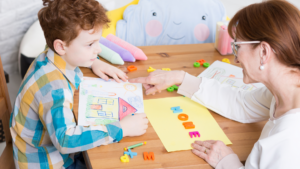
Choosing pediatric therapy is an important decision, and the right support can change how your child experiences everyday life. Therapy Clubhouse welcomes West Hills families who want care that feels thoughtful, encouraging, and centered on real progress. Our team takes the time to listen, understand your concerns, and guide you through clear next steps.
If you have questions about your child’s development, communication, or daily routines, a conversation can bring clarity and reassurance. Pediatric therapy works best when families feel supported from the start. We invite you to reach out and learn how our approach helps children build confidence and independence.
Call 805-624-3301 today to speak with our team and take the next step toward pediatric therapy West Hills families trust.