
Understanding the general milestones for speech and language development in children can help you recognize whether your child might benefit from speech therapy in Ventura County.
Our Ventura County occupational therapy services aim to help your child build skills to feel confident, regulated, and capable in their everyday lives. If you’ve noticed that certain tasks are harder than expected or sensory experiences are overwhelming for your child, it’s natural to wonder how you can support your child in an effective way that doesn’t feel overly-clinical. Pediatric occupational therapy can be daunting to both children and parents, but understanding the different approaches and benefits can ease the anxiety as the process becomes more tangible. Pediatric OT focuses on the foundational abilities that help children move through routines more comfortably, building off strengths and targeting areas where they need more guidance.
As a parent, you know more than anyone else does how your child moves, reacts, and interacts with the world on a daily basis. We work with you to support your child and your family, tailoring each session around your child’s needs and daily routines. At Therapy Clubhouse, occupational therapy is not about correcting your child or pushing them through expectations before they are ready. We work to create a space that your child looks forward to coming to, inspiring confidence through curiosity, connection, and trust.
If you’re beginning to explore occupational therapy and are interested in seeing how we can support your child, we would love to hear from you. To learn more about our services and our different approaches, you can call us at (805) 624-3301 to schedule a visit or ask any questions. We offer in-clinic and in-home occupational therapy in Ventura County, always rooted in play, connection, and evidence-based practices and attuned to your child’s personality.
When you first hear the term occupational therapy, it can be a little confusing understanding what it actually involves. Pediatric occupational therapy focuses on the everyday skills children need for growth, play, learning, and emotional well-being. When these skills feel challenging, occupational therapy in Ventura County can provide the support your child needs to participate more comfortably in their daily world. At Therapy Clubhouse, we guide children through these experiences in a warm, joyful, child-led environment where exploration and developmental science work hand-in-hand to help your child.
Occupational therapy looks closely at how your child moves, regulates, interacts, problem-solves, and engages with play. These skills influence everything from how your child holds a crayon to how they handle transitions or tolerate sensory input. Understanding what OT entails helps you feel confident choosing support that aligns with your child’s individual needs.
Pediatric occupational therapy focuses on helping children build functional, developmental, emotional, and sensory skills that support participation in daily life. These are the skills that help your child play, explore, move through routines, and feel comfortable in their own body. You may notice your child struggling with fine motor tasks, sensory sensitivities, emotional regulation, or basic self-care moments. OT helps your child build these skills through playful, developmentally grounded activities that feel natural and meaningful.
Many parents feel unsure about the difference between occupational therapy and physical therapy because both support motor development and movement. The focus of pediatric OT, however, reaches far beyond muscles and movement. OT addresses the skills that help your child participate in meaningful activities, from play and learning to emotional expression and sensory exploration. Understanding the distinctions can help you choose a service that aligns with your child’s needs.
At Therapy Clubhouse, Occupational Therapy sessions are playful, child-led, and designed to help your child feel excited to participate. Our clinic blends a peaceful, home-like atmosphere with a two thousand square foot soft-play sensory gym where children climb, swing, explore textures, and build regulation skills through joyful movement. Sessions are shaped by your child’s interests and needs, ensuring they feel supported, understood, and celebrated throughout their developmental journey.
When you begin searching for occupational therapy in Ventura County, you may notice how wide the range of concerns and diagnoses can be. Some children have a formal diagnosis, while others simply show patterns that make you pause and wonder whether more support would make daily life feel easier for them. Occupational therapy helps children build the skills they need to navigate the world comfortably, whether those skills relate to self-care, sensory processing, motor coordination, social participation, or emotional regulation.
At Therapy Clubhouse, we meet each child with curiosity, patience, and respect. We understand how challenging it can feel to see your child struggle and not know exactly what they need. Our therapists look beyond labels and checklists to understand the whole child, supporting their strengths while gently addressing the areas where they need more guidance. Below are some of the most common developmental needs supported by our Ventura County occupational therapy team, though the true scope of OT extends far beyond diagnoses.
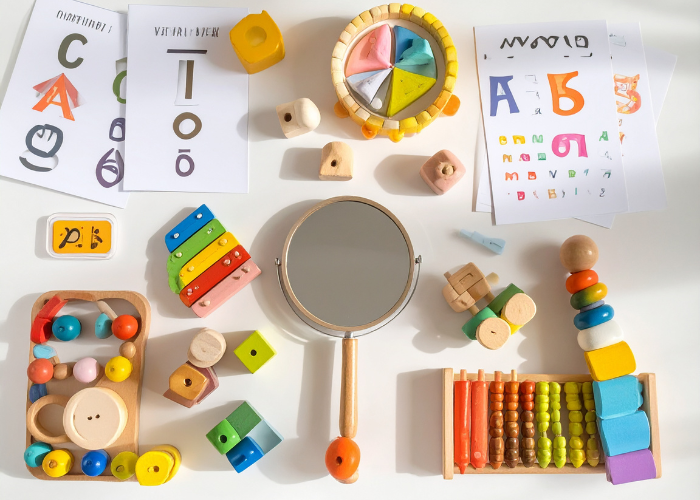
Movement and communication are closely connected. Some children speak more easily when they are swia
Sensory processing differences are among the most common reasons parents seek occupational therapy. Sensory processing describes how your child interprets the world through touch, sound, movement, light, and other sensations. If your child processes these sensations differently, daily routines can feel harder than they need to be.
OT helps your child understand and manage these experiences so they can move through their day feeling safe, regulated, and confident.
Children with sensory processing challenges may react strongly to everyday experiences or barely seem to notice them at all. A tag in clothing might feel unbearable. A crowded room might feel chaotic. A simple touch on the shoulder might feel surprising. Or your child may seek constant movement or pressure to feel grounded. These responses are real, meaningful, and often misunderstood. OT provides a supportive space where your child can learn how to make sense of these sensations and feel more at ease.
Sensory integration therapy helps your child build the foundational skills that support regulation and participation. Through movement, deep pressure, tactile play, and vestibular experiences, your child practices interpreting sensory input in ways that feel more organized. These experiences help them feel more prepared for daily tasks such as play, learning, or transitions.
If your child becomes overwhelmed by noise, changes in environment, or busy surroundings, therapy helps create a space where they can explore these sensations slowly. With time and guided experiences, your child learns strategies that bring comfort during moments that once felt unpredictable.
If your child craves movement, jumping, spinning, or heavy pressure, these needs can sometimes make it difficult to engage in quieter or more structured activities. OT helps them access the sensory input they need in a purposeful way, creating smoother transitions and more balanced participation throughout the day.
Some children experience both sensory-seeking and sensory-avoidant behaviors. They may love movement but avoid messy textures. They may crave deep pressure yet resist unexpected touch. These mixed patterns can confuse caregivers but make perfect sense once sensory processing differences are understood. OT helps bring clarity and gives your child tools that support emotional comfort during these sensory experiences.
Developmental delays can appear in many forms, and parents often sense them long before anyone uses the word delay. You may notice hesitation with play skills, difficulty using utensils, clumsy movement patterns, trouble climbing, or challenges with drawing, stacking, or manipulating small objects. These skills are essential building blocks for school readiness, independence, and confident movement. Occupational therapy in Ventura County supports children across all areas of development so they can gain skills that feel natural and meaningful in everyday life.
Fine motor skills influence everything your child does with their hands. If your child struggles with grasp, pinch strength, coordination, or precision, activities like drawing, buttoning, brushing teeth, or feeding themselves may feel frustrating. OT strengthens these abilities through playful tasks that gently develop the muscles and patterns needed for functional hand use.
Activities like threading beads, squeezing putty, using tongs, drawing shapes, or stacking objects support the development of fine motor strength and control. As your child practices these skills in a relaxed, playful setting, hand movements become more refined and purposeful.
Your child’s ability to climb playground equipment, move through obstacle courses, navigate stairs, and coordinate movement relies on body awareness and motor planning. If these skills feel unsteady for your child, they may avoid physical play or become frustrated easily. OT uses whole-body movement experiences that improve balance, spatial awareness, and coordination in joyful, accessible ways.
Low muscle tone can make physical tasks feel tiring. Motor planning differences can make new activities confusing or overwhelming. OT supports both by breaking tasks down into smaller steps and building strength gradually. This approach helps your child feel more successful and comfortable exploring new movements.
When physical tasks feel difficult, your child may hold back from trying new things. As OT builds strength and coordination, your child begins approaching movement with greater confidence. This confidence helps them participate in play, join group activities, and try experiences that once felt out of reach.
Core strength influences your child’s ability to sit upright, participate in tabletop activities, and maintain attention. When these muscles are weak, your child may seem restless, slouching, or easily fatigued. OT uses movement, play structures, and gentle strengthening tasks to help your child develop the stability needed for everyday participation.
Some children need movement or sensory input before they can participate in speech activities. We allow time for children to regulate in the gym, use calming tools, or explore sensory elements so their bodies feel ready for communication. This approach helps children feel understood and respected, creating an environment where communication can unfold naturally.
When you begin exploring occupational therapy in Ventura County, one of the first decisions you may face is whether your child would benefit more from clinic-based sessions or support delivered in your home. Both settings offer unique advantages, and the right environment depends on your child’s personality, sensory needs, comfort level, and developmental goals. At Therapy Clubhouse, we offer both in-clinic and in-home pediatric OT so your child can receive the type of support that feels most natural and effective for their growth. Whether your child is exploring movement in our sensory gym or practicing skills in familiar spaces at home, our approach remains rooted in connection, play, encouragement, and individualized care.
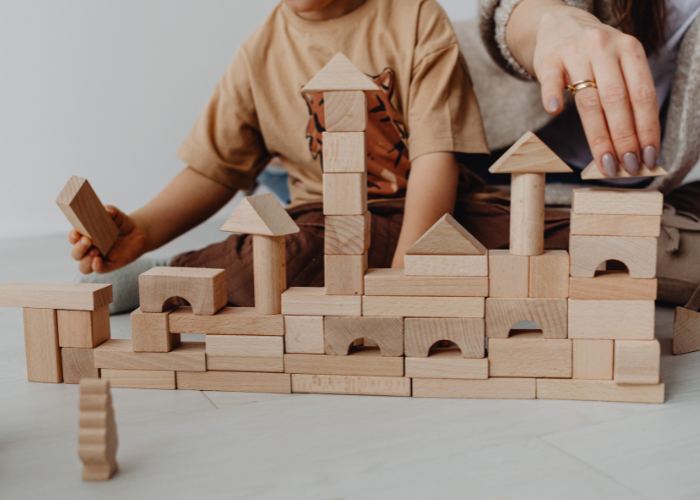
Therapy Clubhouse was designed to feel bright, welcoming, playful, and supportive of each child’s natural curiosity. Our clinic spaces create opportunities that may be difficult to replicate in a home environment, especially when sensory, motor, or emotional-regulation goals are part of your child’s therapy plan. The sensory gym, quiet therapy suites, and child-friendly equipment allow for a wide range of developmental experiences that help your child strengthen essential skills.
The heart of our clinic is the large sensory gym, where swings, climbing structures, soft-play equipment, and creative play invitations surround your child with opportunities to build confidence and coordination. These experiences support your child’s vestibular, proprioceptive, and tactile systems in ways that influence emotional regulation, attention, and comfort in their own body. When your child feels grounded, they can participate more fully in therapy and daily life.
Some children communicate, focus, and regulate more effectively when they are in motion. Swings, jumping pads, balance equipment, and climbing structures help your child explore their sensory needs while strengthening essential motor skills. These movement-rich experiences prepare your child for the fine-motor and cognitive work that often happens later in each session.
Not every child thrives in dynamic environments. Some learn best in peaceful rooms free from distractions. Our therapy suites provide a warm, calming atmosphere where children can explore fine-motor tasks, emotional regulation strategies, handwriting development, sensory tools, and functional routines in a supportive space.
The clinic feels intentional rather than clinical. Your child enters a space built for joyful learning, where sensory needs are respected and creative play is encouraged. This environment supports children who benefit from structure, predictable routines, and engaging equipment that naturally motivates participation.
For some children, the greatest challenges appear not in a clinic but in their natural environment. In-home occupational therapy allows your child to practice foundational skills in the spaces where they eat, play, sleep, learn, and interact with family. This approach gives our therapists deeper insight into your child’s daily routines, emotional cues, and sensory experiences, allowing therapy to feel organic and highly individualized.
At home, your child encounters transitions, feeding routines, sensory experiences, and self-care tasks that may feel stressful or confusing. In-home OT allows your child to practice these moments with a therapist by their side. These sessions help your child feel more competent in the spaces where independence matters most.
Some children feel more regulated and receptive at home. When your child feels safe in familiar spaces, therapy becomes more accessible and less overwhelming. Sensory strategies can be incorporated into natural routines, helping your child build regulation skills that carry into everyday life.
From dressing to brushing teeth to organizing toys, many daily routines become easier when practiced in the environment where they naturally occur. OT sessions can adapt the home layout, introduce visual cues, or teach small, manageable steps that support independence. These changes bring more ease to your child’s day and more harmony to family routines.
Some children need time, trust, and familiarity before they feel comfortable engaging in therapeutic work. In-home sessions reduce anxiety by removing the challenge of adapting to a new space. This helps children who are sensitive, shy, or easily overwhelmed feel more secure during sessions.
There is no single right answer when deciding between clinic-based and in-home occupational therapy in Ventura County. Each setting offers unique advantages, and the best choice depends on how your child learns, plays, and responds to their environment. Therapy Clubhouse guides families through this decision with patience and understanding, helping you identify the approach that best supports your child’s success.
Children who thrive on movement and exploration may benefit from the wide-open play spaces and equipment available in the clinic. Children who become overwhelmed by sensory input or transitions may benefit from the intimacy and predictability of home sessions. Paying attention to how your child reacts to new environments helps shape this decision.
Some goals require specialized equipment found in the clinic, while others benefit from real-life practice in the home. Therapists help you understand which environment will support your child’s growth most effectively. This ensures therapy feels purposeful and tailored to your child’s developmental needs.
Some children benefit from a blend of both settings. Clinic sessions offer rich sensory and motor experiences, while home sessions provide skill practice in daily routines. When combined, these two environments create a balanced approach that nurtures your child’s strengths and supports their emerging skills across contexts.
If your child begins therapy in one environment and later transitions to another, our therapists support this shift gently. This allows learning to continue smoothly without disrupting your child’s sense of safety or confidence.
Choosing the right setting can feel like a big decision, but you do not have to make it alone. Our therapists walk through each option with you, helping you understand what your child might gain from each environment. With guidance and clarity, you can feel confident that your child is supported in a space where they can grow with comfort and joy.
When you begin seeking occupational therapy in Ventura County, you may wonder not only what OT is, but how therapists understand your child as a whole person. At Therapy Clubhouse, our approach is rooted in connection, curiosity, and a belief that every child communicates their needs in their own meaningful way. Instead of focusing simply on what your child can or cannot do, we look at how they move, respond, explore, and express themselves. These details help us understand the deeper layers of your child’s development so we can create an environment where skills grow with comfort and confidence.
Our philosophy blends clinical expertise with the emotional sensitivity children need to feel safe while learning. We take the time to listen to your child’s cues, adapt to their pace, and adjust the environment so that therapy feels empowering rather than demanding. This approach creates space for your child to grow at a speed that feels right for them, supported by therapists who understand how to guide progress gently and intentionally.

Every child arrives with their own personality, learning style, sensory profile, and way of interacting with the world. By honoring these differences, our Ventura County occupational therapy sessions become more meaningful and effective. We trust your child to show us what they need through their interests, body language, and responses. A child-led approach does not mean therapy is unstructured. Instead, it means your child’s engagement guides the flow of each session so skills develop naturally through curiosity and exploration.
Children learn best when they feel safe. Before any goals are introduced, our therapists spend time building a warm, trusting relationship with your child. This connection becomes the anchor for all future learning. When your child knows they are understood, they take risks more freely, try new tasks more willingly, and show parts of themselves that may stay hidden in environments that feel intimidating.
Some children leap into play right away, while others observe quietly before participating. We see both as valuable communication. If your child needs more time to feel comfortable, we honor that pace. Support begins with presence, patience, and gentle encouragement until your child is ready to explore on their own terms.
Your child’s preferences and passions hold important clues about how they learn. When we incorporate what they love into therapy, we create opportunities for developmental growth that feel enjoyable and engaging. Whether your child gravitates toward imaginative play, building activities, movement exploration, or quiet sensory experiences, we use these interests as pathways to build motor, sensory, and emotional skills.
We carefully balance comfort with gentle challenges so your child can stretch their abilities without feeling overwhelmed. This balance helps your child build resilience, confidence, and new skills in ways that feel achievable. Over time, these small steps lead to meaningful developmental progress.
Play is not simply a fun activity. It is the foundation of childhood learning, and it offers countless opportunities for practicing skills that support emotional regulation, sensory integration, motor development, and cognitive growth. In our Ventura County occupational therapy sessions, play is tailored with intention so your child experiences joy while also strengthening important developmental foundations.
Play allows your child to experiment, make mistakes, solve problems, and discover new abilities at their own pace. It removes pressure and invites curiosity. During play, your child naturally practices motor planning, coordination, emotional regulation, creativity, and social interaction. These experiences support neurological development in ways that feel effortless to children but purposeful to therapists.
We choose play activities that reflect your child’s abilities and gently challenge them in meaningful ways. If your child needs help with fine motor skills, the activity might involve drawing, building, or manipulating materials. If your child needs support with sensory regulation, the session may include swings, weighted items, or tactile exploration. Each activity is selected with careful attention to your child’s developmental profile.
Some children concentrate and communicate more effectively when they can move their bodies. For these children, play may involve climbing, jumping, rolling, or exploring large movement patterns. These experiences support the sensory systems that help your child regulate and participate more comfortably in everyday life.
Play creates opportunities for communication that feel safe and natural. When your child shares an idea, asks for help, or negotiates a turn, they are practicing important social-emotional skills. These moments build confidence and help your child feel more connected; to themselves, to others, and to the world around them.
Your child may express feelings more easily during play than through direct conversation. Therapists observe these expressions carefully, offering support, modeling healthy emotional responses, and helping your child learn how to navigate big feelings with confidence.
Therapy becomes most effective when your child’s progress carries into everyday life. For this reason, our approach to occupational therapy in Ventura County includes the whole family. You play an essential role in helping your child feel supported, seen, and empowered outside the therapy space. We work alongside you to ensure therapy feels integrated, accessible, and meaningful.
Many parents share that they understand their child more deeply after participating in therapy. Our therapists explain how your child processes sensory input, why certain behaviors occur, and what strategies help your child feel calm and capable. This understanding reduces stress and builds confidence as you support your child throughout the week.
OT strategies are most powerful when they fit into natural parts of your day. We show you how to support your child’s regulation, communication, and independence during meals, bath time, transitions, playtime, and bedtime. These small adjustments create consistency that helps your child feel secure.
Many children thrive when expectations feel clear and routines feel familiar. Therapists help you create simple, predictable patterns that support your child’s emotional and sensory needs. These routines reduce overwhelm and create smoother moments throughout the day.
Your child’s needs evolve as they grow, and therapy evolves alongside them. We check in often, adjust goals, celebrate progress, and support you during any transitions. This flexible, collaborative relationship helps your child continue thriving in new environments and developmental stages.
Progress is not always dramatic. Sometimes it appears in tiny shifts; a longer attention span, a calmer transition, a new gesture, or a moment of confidence. We help you notice these victories and understand how meaningful they are for long-term development.
Children grow best when they feel understood, supported, and safe. Our multidisciplinary team brings together experienced pediatric specialists who design therapy that feels encouraging—not overwhelming. Each session blends clinical expertise with a warm, relationship-based approach, helping your child make steady, meaningful progress. Whether your child struggles with speech clarity, language development, or emotional regulation, we guide your family with clarity and compassion every step of the way.
Private in‑home pediatric therapy gives children the chance to grow in a space that already supports their emotional safety and confidence. Many of the developmental, behavioral, and communication skills we teach become stronger when practiced in the same rooms, routines, and family interactions a child relies on every day.
Schedule ConsultationReal stories from families who found clarity, hope, and meaningful progress through Therapy Clubhouse.
“We came in unsure of the future. The therapists saw his strengths immediately and guided us with patience. He’s speaking more, interacting more, and smiling in ways we hadn’t seen in months.”
— Parent, Ventura County“She used to get overwhelmed so easily. Now she’s calmer, coordinated, and proud of what she can do. Therapy Clubhouse has completely transformed daily life for our family.”
— Parent, Camarillo“Their guidance gave us clarity when we were overwhelmed. Our child finally has the tools to communicate and connect in ways we had only hoped for.”
— Parent, Thousand Oaks“We felt so supported from the very first session. The therapists truly understand kids and gave us strategies that made an immediate difference at home.”
— Parent, Simi Valley“Our therapist brought so much joy into learning. Our son now participates in group activities and shows confidence we never imagined possible.”
— Parent, Westlake Village“Therapy Clubhouse changed everything for our daughter. She feels understood, supported, and excited to learn. We are forever grateful for this team.”
— Parent, Newbury ParkFrom Thousand Oaks to Camarillo, Ventura, Simi Valley, and beyond — our pediatric therapists bring support, clarity, and hope to families throughout the region.
Schedule Your Free ConsultationAnswers to the most important questions parents ask about pediatric therapy, early intervention, communication development, sensory needs, and in-home support.
Our multidisciplinary team collaborates across all specialties to create a personalized plan for each child. We focus on the whole child—not just a symptom.
If your child struggles with communication, behavior, sensory needs, or milestones, an evaluation gives you clarity and a guided path forward.
We listen, learn your child’s strengths, and help you understand their needs. Many parents feel relief and renewed hope after this first conversation.
Yes — learning at home reduces stress and lets therapists observe real routines, leading to faster, more meaningful progress.
Speech, OT, feeding therapy, early intervention, ABA-informed support, developmental therapy, and parent coaching — all in one place.
Therapists align goals across communication, sensory, emotional, and motor development to ensure unified support.
We empower families with practical tools that make progress natural and easy to integrate into routines.
We use sensory-informed activities that help children feel calm, regulated, and ready to learn.
We support toddlers through school-aged children, adapting therapy to match each child’s developmental stage.
Our Ventura County occupational therapy team blends developmental expertise with a child-led, comforting approach that allows children to grow and learn at their own pace without rushing them. We create sessions based around your child’s needs and the ways that they learn best, making sure that each moment is designed to support your child and your family. If you’re curious about next steps or want to learn more about how occupational therapy our Ventura County occupational services can support your child, we encourage you to reach out. You can connect with Therapy Clubhouse at (805) 624-3301 or contact us online to schedule a visit. We are ready to answer any questions you might have and show how we can help your child grow toward greater comfort and confidence in their everyday routines.