
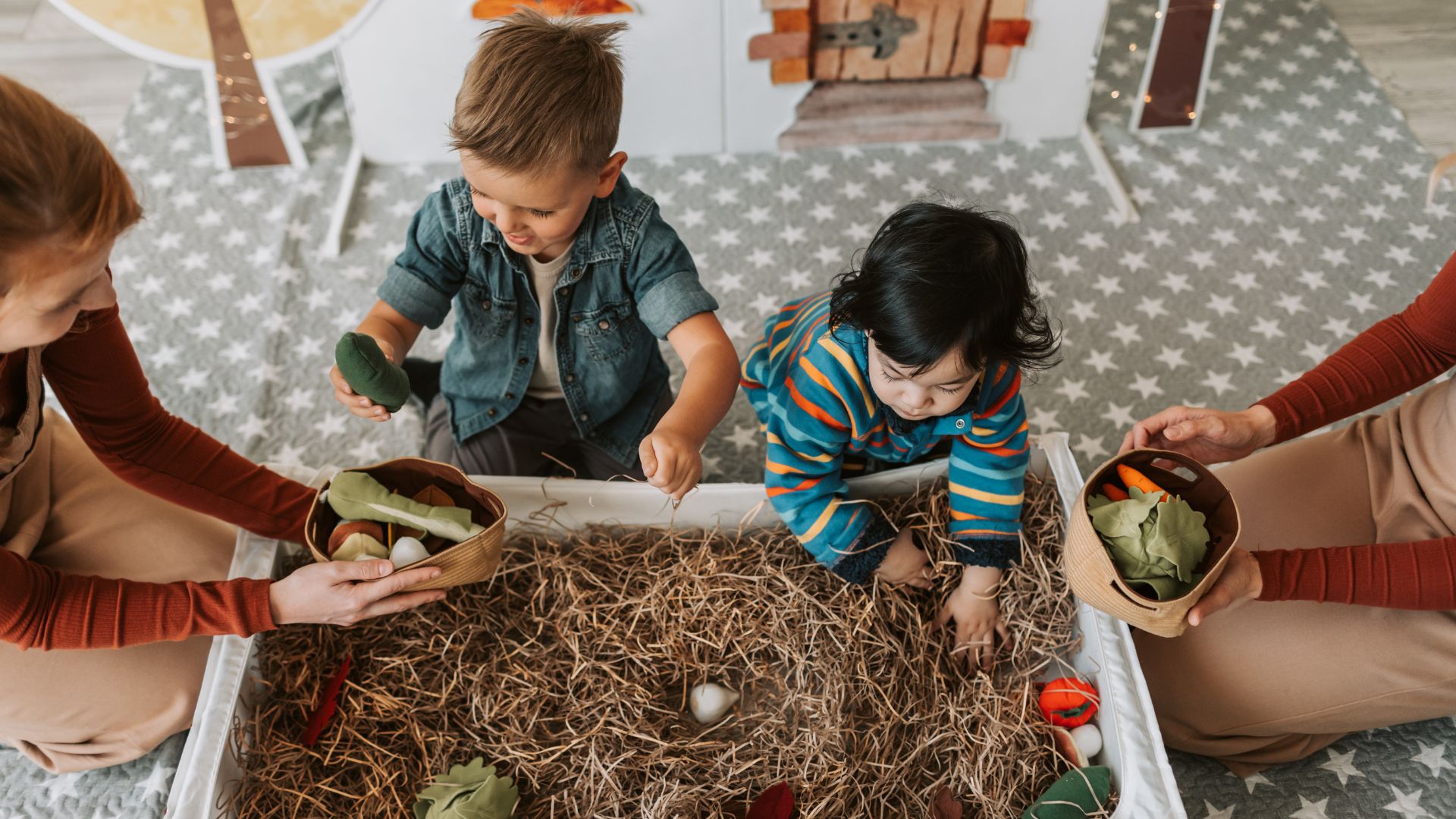
Ventura County Activities of Daily Living Therapy helps children build the essential skills they need to participate confidently in everyday routines at home, school, and in the community. Activities of daily living, often referred to as ADLs, encompass foundational tasks such as dressing, feeding, personal hygiene, toileting, and managing simple daily responsibilities that support independence. When these skills feel overwhelming or frustrating, children may struggle with confidence, emotional regulation, and participation in daily life. Pediatric occupational therapy focuses on meeting children where they are developmentally and guiding them toward functional independence through structured, play-based support.
At Therapy Clubhouse, Activities of Daily Living Therapy is provided as part of a comprehensive pediatric occupational therapy program designed specifically for children in Ventura County. Our therapists look beyond isolated tasks and focus on how daily routines fit into a child’s real-world environment. Therapy sessions target motor coordination, sensory processing, attention, sequencing, and emotional readiness, all of which play crucial roles in achieving successful self-care. By addressing the underlying skills that impact daily living, children gain confidence, and parents see meaningful improvements that carry over beyond the therapy room.
If your child struggles with everyday routines or needs support building independence, the Therapy Clubhouse team is here to help. Call (805) 624-3301 to speak with our team and learn how Ventura County Activities of Daily Living Therapy can support your child’s growth, confidence, and success.
Activities of daily living therapy at Therapy Clubhouse helps children in Ventura County build the functional skills needed to participate more independently in everyday routines. These routines include self-care tasks at home, participation in school environments, and age-appropriate responsibilities that support confidence and emotional well-being. When children struggle with daily living skills, even simple routines can become stressful for both the child and their family, which is why Therapy Clubhouse focuses on supportive, child-centered occupational therapy that meets children where they are developmentally.
Through Ventura County activities of daily living therapy, our pediatric occupational therapists focus on strengthening the foundational abilities that support independence over time. Therapy does not rush progress. Instead, it builds skills gradually in ways that respect each child’s developmental pace, sensory profile, and real-life environment.
Activities of daily living skills refer to the essential self-care tasks children perform throughout the day to care for themselves and engage with their surroundings. In pediatric occupational therapy, these skills extend far beyond the outcome of a task. Therapists examine how a child plans movements, sequences steps, regulates emotions, and processes sensory input during daily routines.
In Ventura County activities of daily living therapy, occupational therapists carefully observe how children manage routines such as dressing, feeding, grooming, and hygiene. By identifying where challenges occur, therapists design targeted interventions that strengthen underlying skills while keeping therapy engaging and meaningful.
Strong activities of daily living skills play a major role in a child’s sense of independence and self-confidence. When children struggle with daily routines, repeated frustration can impact emotional regulation, behavior, and willingness to try new tasks. Over time, these challenges may affect participation at school or in social settings.
Activities of daily living therapy supports children by creating structured opportunities to experience success with everyday tasks. As children gain confidence in self-care routines, families often notice improvements in emotional control, motivation, and overall participation. Functional skill development during early childhood supports long-term independence and quality of life.
Occupational therapists support daily living skill development by addressing both the task itself and the skills required to complete it successfully. Therapy sessions focus on building coordination, attention, sequencing, strength, and sensory regulation through purposeful activities. Therapists adjust strategies based on how a child responds and progresses.
In Ventura County, activities of daily living therapy, therapists also partner closely with parents and caregivers. This collaboration helps ensure that strategies used during therapy sessions carry over into daily routines at home, creating consistent support across environments.
During activities of daily living therapy sessions, children practice self-care routines that reflect real-world expectations. These routines often include dressing tasks, feeding skills, hygiene activities, and simple organizational responsibilities that promote independence. Therapists structure these routines to feel achievable while still challenging children appropriately.
Practicing self-care routines in a supportive therapeutic setting helps children break tasks into manageable steps. This approach reduces overwhelm and builds confidence, allowing children to experience progress without pressure.
Repetition is essential for helping children develop efficient motor planning skills. Through consistent practice of daily routines, children learn how to anticipate movements and organize actions more effectively. Over time, these skills become more automatic, making daily tasks feel less effortful.
Repetitive routines also support self-regulation by creating predictability. When children know what to expect during daily activities, they often feel calmer and more in control. This combination of improved motor planning and emotional regulation allows children to approach daily living tasks with greater confidence and independence.
Children develop independence with daily routines at different rates, but persistent challenges with self-care tasks can signal the need for additional support. In Ventura County, many families seek activities of daily living therapy when everyday routines consistently cause frustration, avoidance, or emotional distress for their child. These challenges can affect a child’s confidence and limit participation at home, school, and in social settings.
At Therapy Clubhouse, pediatric occupational therapists help families identify whether difficulties with daily routines fall within typical development or may benefit from targeted activities of daily living therapy. Early recognition allows children to receive support before frustration becomes ingrained and routines become more stressful over time.
Parents often notice daily challenges during routine moments such as getting dressed, eating meals, or transitioning between activities. Children may struggle to complete tasks independently, require frequent reminders, or become overwhelmed when routines change. These challenges can appear at home, in classroom settings, or during community activities.
Therapy Clubhouse works with families to understand how these daily challenges affect a child’s overall functioning. By examining patterns across environments, therapists gain insight into whether underlying motor, sensory, or cognitive factors may be contributing to difficulty with daily living skills.
Occasional difficulty with dressing, feeding, or hygiene is common during early childhood. However, ongoing struggles that persist beyond expected developmental stages may indicate the need for activities of daily living therapy. Children may avoid certain clothing textures, resist brushing teeth, or have trouble using utensils despite repeated practice.
At Therapy Clubhouse, occupational therapists evaluate how sensory processing, motor coordination, and task sequencing influence these routines. Therapy focuses on addressing the root causes of difficulty rather than forcing compliance, helping children develop skills in ways that feel manageable and supportive.
Developmental delays can impact a child’s ability to complete daily living tasks independently. Delays in fine motor skills, gross motor coordination, attention, or executive functioning may all interfere with self-care routines. As expectations increase with age, these challenges can become more noticeable.
Ventura County activities of daily living therapy at Therapy Clubhouse supports children with a wide range of developmental profiles. Therapists tailor interventions to help children build independence gradually while respecting individual learning styles and developmental readiness.
Early indicators of activities of daily living challenges may appear during toddlerhood or preschool years. These signs can include difficulty following simple routines, frequent meltdowns during self-care tasks, or limited interest in participating in age-appropriate responsibilities. Children may rely heavily on adults for tasks they are beginning to master independently.
Therapy Clubhouse emphasizes early intervention because young children benefit greatly from timely support. Addressing challenges early helps children develop positive associations with daily routines and prevents patterns of avoidance or frustration from becoming established.
Early intervention plays a critical role in improving long-term functional outcomes for children who struggle with daily living skills. When therapy begins early, children can build foundational abilities during periods of rapid brain development. This supports stronger skill acquisition and better generalization across environments.
At Therapy Clubhouse, early activities of daily living therapy focus on creating successful experiences that build confidence and independence over time. By supporting children early, families often see smoother transitions into school routines and greater participation in everyday life.
Activities of daily living therapy plays a critical role in helping children develop the self-care skills needed for independence and daily participation. In Ventura County, families often seek this specialized occupational therapy when their child struggles with routines such as dressing, eating, or managing personal hygiene. These challenges can affect confidence, emotional regulation, and overall quality of life if left unaddressed.
At Therapy Clubhouse, activities of daily living therapy focuses on teaching self-care skills in ways that feel achievable, respectful, and engaging. Therapists break down complex routines into manageable steps while addressing the motor, sensory, and cognitive skills required for success. This approach helps children build confidence and competence at their own pace.
Dressing requires a combination of fine motor coordination, bilateral hand use, sequencing, and sensory tolerance. Children who struggle with dressing may have difficulty managing buttons, zippers, or fasteners, or they may avoid certain clothing textures altogether. These challenges can lead to frustration and reliance on caregivers.
At Therapy Clubhouse, occupational therapists use structured activities to strengthen the skills needed for dressing. Therapy sessions incorporate play-based tasks that build hand strength, coordination, and problem-solving, allowing children to gain confidence with dressing skills that carry over into daily routines at home.
Feeding skills involve more than simply eating food. Children must coordinate hand movements, manage utensils, tolerate textures, and maintain appropriate posture during meals. Difficulties with feeding can make mealtimes stressful and limit a child’s nutritional variety.
Ventura County activities of daily living therapy at Therapy Clubhouse addresses feeding challenges by focusing on underlying skills such as grip strength, coordination, and sensory regulation. Therapists guide children through gradual exposure and skill building to support positive mealtime experiences without pressure or overwhelm.
Hygiene routines are essential for health and social participation, yet many children find these tasks challenging. Tooth brushing, hand washing, and grooming require sequencing, motor planning, and tolerance of sensory input. Children may resist these routines due to discomfort or difficulty understanding the steps involved.
Therapy Clubhouse helps children build hygiene routines through consistent practice and visual supports. Therapists teach children how to follow each step of a routine while reinforcing independence and confidence. Over time, these routines become more familiar and less stressful.
Task breakdown is a key strategy used in activities of daily living therapy. Therapists divide complex routines into smaller, manageable steps that children can master gradually. This approach helps reduce frustration and allows children to experience success throughout the learning process.
At Therapy Clubhouse, therapists tailor task breakdown strategies to each child’s developmental level. By adjusting the level of support as skills improve, therapists help children build independence while maintaining motivation and engagement.
Visual supports and sequencing tools play an important role in reinforcing daily routines for many children. Visual schedules, picture cues, and step-by-step guides help children understand what comes next and reduce uncertainty during transitions.
Therapy Clubhouse integrates visual supports into activities of daily living therapy to promote consistency across environments. When children can predict routines and understand expectations, they often show improved cooperation, emotional regulation, and independence during self-care tasks.
Children with autism often experience unique challenges with daily living skills that can affect independence, confidence, and participation in everyday routines. Sensory sensitivities, difficulty with transitions, and challenges with motor planning or executive functioning can make tasks such as dressing, feeding, or hygiene feel overwhelming. In Ventura County, many families seek activities of daily living therapy to help their child navigate these routines with greater comfort and success.
At Therapy Clubhouse, activities of daily living therapy for children with autism is provided through a supportive, play-based occupational therapy approach. Therapists focus on understanding each child’s sensory profile, communication style, and learning preferences to create individualized strategies that promote functional independence without forcing compliance.
Activities of daily living therapy supports functional independence by breaking routines into predictable and manageable steps. Autistic children often benefit from structured approaches that clarify expectations and reduce uncertainty during daily tasks. Therapy focuses on building skills gradually while honoring a child’s need for consistency and routine.
At Therapy Clubhouse, occupational therapists help children practice daily living skills in ways that feel safe and achievable. By focusing on functional goals rather than rigid outcomes, therapy helps children build confidence and independence over time.
Sensory sensitivities can significantly affect a child’s ability to participate in daily living tasks. Textures, sounds, or smells associated with dressing, feeding, or hygiene may trigger discomfort or avoidance. These sensory responses can make even simple routines feel overwhelming.
Ventura County activities of daily living therapy at Therapy Clubhouse addresses sensory sensitivities through gradual exposure and sensory regulation strategies. Therapists help children develop tolerance and coping skills while adapting routines to better match each child’s sensory needs.
Consistency and predictability play an important role in helping autistic children feel secure during daily routines. When tasks follow a familiar pattern, children often show improved participation and reduced anxiety. Inconsistent routines can lead to confusion and increased resistance.
Therapy Clubhouse emphasizes predictable routines and clear expectations during activities of daily living therapy. Therapists work with families to create consistent strategies that children can use both in therapy sessions and at home.
Reducing overwhelm is a key focus of activities of daily living therapy for autistic children. Therapists use pacing, environmental modifications, and supportive cues to help children remain regulated during routines. This may include adjusting lighting, minimizing distractions, or simplifying task demands.
At Therapy Clubhouse, therapists carefully observe how children respond to daily activities and adjust strategies as needed. This individualized approach helps children remain engaged without becoming overstimulated or frustrated.
Play-based approaches help increase participation and confidence by making daily living tasks feel engaging rather than stressful. Through play, children can practice self-care skills in a low-pressure environment that encourages exploration and creativity.
Therapy Clubhouse integrates play-based strategies into activities of daily living therapy to help children build skills naturally. By pairing functional tasks with playful interaction, therapists help children develop confidence and motivation to participate in daily routines.
Children with developmental delays or motor challenges often need additional support to build independence with daily routines. Difficulties with balance, coordination, strength, or fine motor control can affect a child’s ability to complete self-care tasks such as dressing, feeding, or personal hygiene. In Ventura County, activities of daily living therapy helps children strengthen the skills they need to participate more fully in everyday life.
At Therapy Clubhouse, pediatric occupational therapists design activities of daily living therapy programs that address each child’s unique motor and developmental profile. Therapy focuses on building functional skills in a supportive environment where children can progress at their own pace and experience success.
Daily living tasks rely on both fine motor and gross motor skills working together. Fine motor skills support tasks such as buttoning, utensil use, and manipulating fasteners, while gross motor skills contribute to posture, balance, and overall body control. Challenges in either area can limit independence.
Therapy Clubhouse helps children strengthen fine and gross motor skills through purposeful activities that reflect real-life routines. By practicing these skills in meaningful contexts, children are more likely to transfer progress into daily activities at home and school.
Coordination and strength play an important role in a child’s ability to complete daily routines efficiently. Children with low muscle tone, poor coordination, or limited endurance may fatigue quickly during self-care tasks or avoid them altogether. Over time, this can reduce confidence and increase reliance on caregivers.
Ventura County activities of daily living therapy at Therapy Clubhouse addresses these challenges by incorporating strength-building and coordination activities into therapy sessions. Therapists adjust task demands to support success while gradually increasing expectations as skills improve.
Children with ADHD, cerebral palsy, and other developmental delays may face distinct challenges that affect daily living skills. Attention regulation, motor planning, and physical limitations can all interfere with independence. These children often benefit from structured and individualized therapy approaches.
At Therapy Clubhouse, occupational therapists tailor activities of daily living therapy to meet the specific needs of each child. Therapy plans consider cognitive, physical, and sensory factors to create realistic goals that promote long-term independence.
Adapting daily tasks allows children to participate in routines while building skills safely and effectively. Modifications may include adjusting the environment, using adaptive tools, or altering the way a task is approached. These adaptations help reduce frustration and support learning.
Therapy Clubhouse focuses on helping children complete tasks successfully while gradually increasing independence. Therapists collaborate with families to implement adaptations that work within the child’s daily environment.
Progressive skill building helps children move toward greater independence over time. Therapy focuses on mastering foundational skills before introducing more complex demands. This gradual approach supports confidence and reduces setbacks.
At Therapy Clubhouse, activities of daily living therapy emphasizes long-term functional outcomes. By building skills progressively, children gain the tools they need to manage daily routines more independently as they grow.
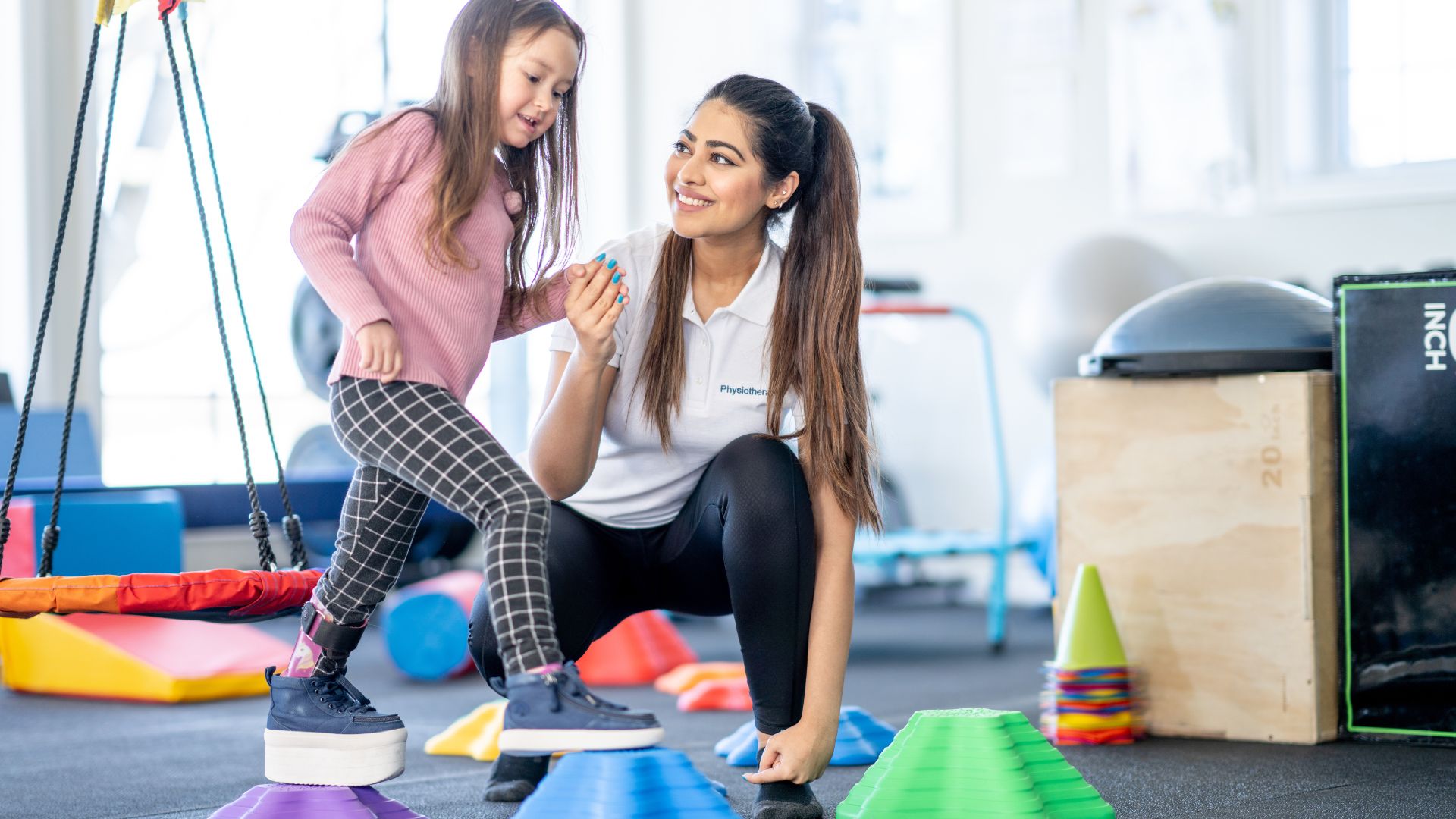
If your child struggles with daily routines such as dressing, feeding, or personal hygiene, professional support can make a meaningful difference. Activities of daily living therapy helps children build confidence, independence, and functional skills that support success at home, school, and in the community. With the right guidance, everyday routines can become opportunities for growth rather than sources of stress.
Therapy Clubhouse provides Ventura County families with compassionate, evidence-based pediatric occupational therapy focused on real-life outcomes. Our therapists take time to understand your child’s unique strengths and challenges, then create individualized activities of daily living therapy plans that support long-term independence while honoring each child’s developmental pace.
To learn more about activities of daily living therapy or to schedule an evaluation, contact Therapy Clubhouse today. Call (805) 624-3301 to speak with our team or visit our contact page to get started. We are here to support your child’s journey toward confidence, independence, and everyday success.