
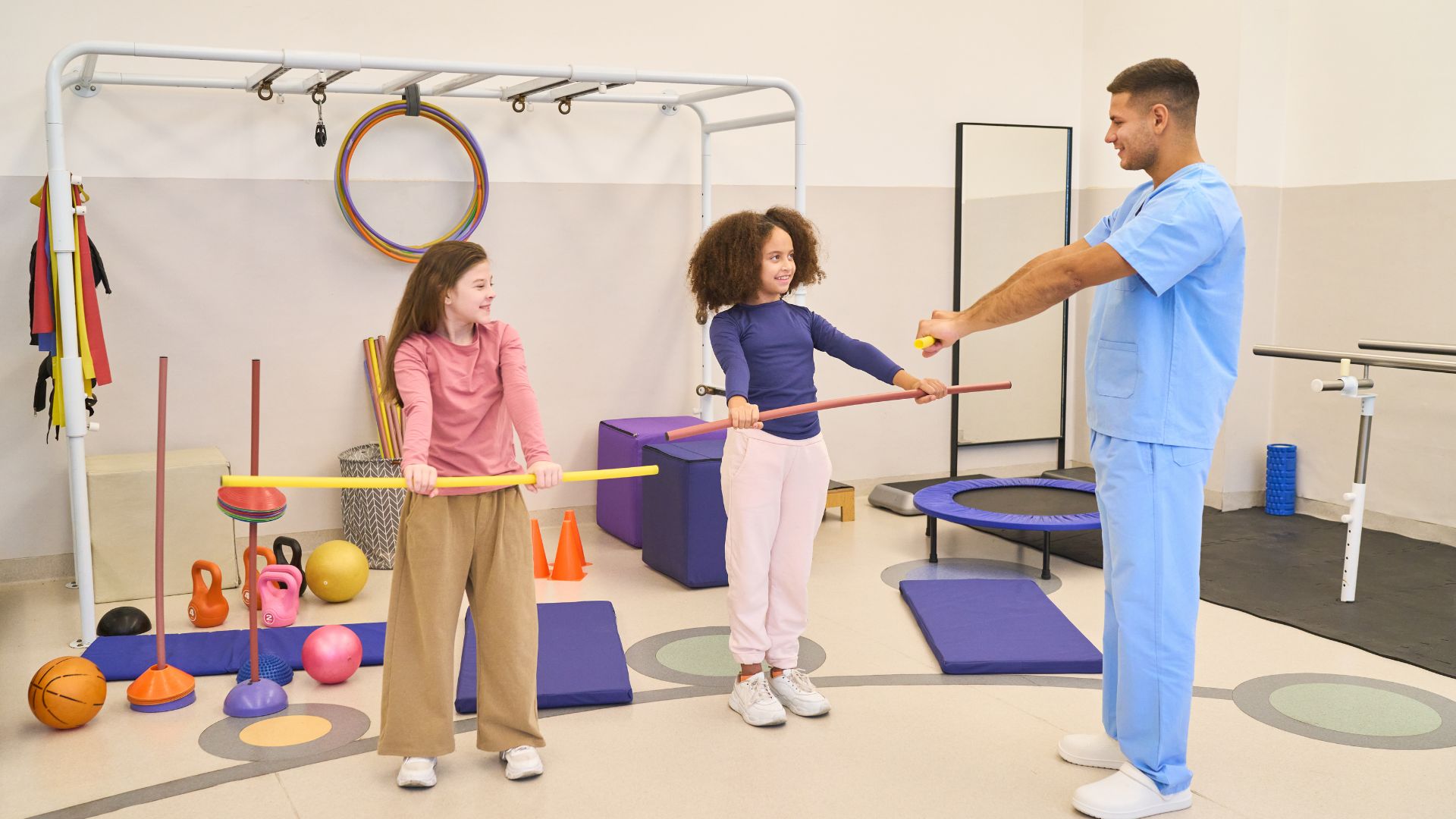
Ventura County Assistive Technology Therapy helps children gain independence, confidence, and access to everyday activities that may otherwise feel frustrating or out of reach. Through pediatric occupational therapy, assistive technology supports children as they learn how to communicate, move, play, learn, and participate more fully at home, in school, and within their community. These tools range from simple adaptive supports to more advanced technology and are always selected based on a child’s unique developmental needs and strengths.
At Therapy Clubhouse, assistive technology therapy focuses on helping children succeed in real-life situations. Rather than relying on one-size-fits-all solutions, therapists carefully evaluate how a child interacts with their environment and identify technology that supports functional growth. Whether a child needs support with communication, fine motor skills, mobility, sensory regulation, or classroom participation, assistive technology becomes a bridge that empowers progress while building confidence and independence.
Families looking for Ventura County Assistive Technology Therapy benefit from a child-centered approach that blends clinical expertise with playful engagement. Therapy Clubhouse integrates assistive technology into occupational therapy sessions in ways that feel natural and motivating for children, allowing them to explore tools through movement, creativity, and meaningful activities that support long-term development.
If your child may benefit from assistive technology therapy, call Therapy Clubhouse today at (805) 624-3301 to speak with a caring team member and learn how pediatric occupational therapy can support your child’s growth and independence.
Assistive technology therapy helps children overcome barriers that limit their ability to participate in everyday activities. In Ventura County, families often seek assistive technology therapy when a child struggles with communication, learning tasks, mobility, self-care, or classroom participation. Through pediatric occupational therapy, assistive technology becomes a practical support system that helps children interact more confidently with their environment while continuing to build essential developmental skills.
At Therapy Clubhouse, assistive technology therapy focuses on functional outcomes rather than devices alone. Therapists evaluate how a child moves, communicates, processes sensory input, and completes daily tasks, then select tools that support independence without replacing skill development. This thoughtful balance ensures technology enhances progress instead of creating reliance.
Pediatric assistive technology therapy supports independence by removing obstacles that interfere with a child’s ability to engage in meaningful activities. Children often want to participate fully but lack the physical, cognitive, or sensory skills needed to complete tasks independently. Assistive technology bridges that gap while therapists continue strengthening underlying abilities.
Therapy Clubhouse designs assistive technology therapy to support children during real-life routines. Therapists integrate tools into play, self-care tasks, classroom-style activities, and social interactions so children practice independence in ways that feel familiar and achievable.
Adaptive tools help children participate more independently during daily routines at home and school. These tools may support handwriting, feeding, dressing, communication, attention, or access to learning materials. Occupational therapists select adaptive tools that align with each child’s developmental level and functional goals.
At Therapy Clubhouse, therapists introduce adaptive tools gradually and intentionally. Children learn how to use tools within structured activities while building confidence and problem-solving skills that support long-term independence.
Early access to assistive technology supports stronger developmental outcomes by addressing challenges before frustration or avoidance develops. When children receive the right support early, they gain confidence in their abilities and remain motivated to participate in learning and social experiences.
Therapy Clubhouse emphasizes early identification and intervention within assistive technology therapy. Therapists work closely with families to ensure children receive appropriate tools that evolve as skills grow, helping children build independence over time instead of falling behind.
Occupational therapists play a central role in assistive technology therapy by evaluating functional needs and matching children with appropriate supports. Occupational therapy focuses on how children engage in everyday activities, making therapists uniquely qualified to determine which tools enhance participation without limiting growth.
At Therapy Clubhouse, occupational therapists carefully assess movement patterns, sensory processing, cognitive skills, and environmental demands. This comprehensive approach ensures that assistive technology aligns with a child’s strengths and supports long-term functional development.
Occupational therapy integrates assistive technology into therapy sessions as part of skill development, not as a replacement for learning. Therapists use technology alongside exercises that strengthen motor skills, coordination, attention, and problem-solving abilities.
Therapy Clubhouse incorporates assistive technology through play-based activities that encourage exploration and engagement. Children practice using tools while therapists guide skill development in ways that feel motivating and achievable.
Collaborative planning ensures assistive technology therapy remains effective and meaningful. Occupational therapists work closely with families to understand daily routines, challenges, and priorities so technology fits naturally into the child’s life.
Therapy Clubhouse values family involvement throughout the assistive technology process. Therapists provide guidance, education, and ongoing adjustments to ensure tools support progress at home, in school, and across community environments.
Pediatric assistive technology therapy supports children with a wide range of developmental, physical, and neurological needs. In Ventura County, families often pursue assistive technology therapy when traditional strategies alone are not enough to help a child fully participate in daily activities. Assistive technology does not replace therapy. Instead, it enhances a child’s ability to engage, practice skills, and build independence in meaningful ways.
At Therapy Clubhouse, therapists carefully determine which children may benefit from assistive technology by focusing on functional challenges rather than diagnoses alone. Each child receives individualized recommendations based on strengths, needs, and long-term developmental goals.
Children with developmental delays may struggle with communication, coordination, attention, or problem-solving. Assistive technology therapy supports these children by providing tools that help them access activities while continuing to develop foundational skills.
Therapy Clubhouse uses assistive technology therapy to help children with developmental delays remain active participants in play, learning, and daily routines. Technology supports engagement while therapists guide progress through structured occupational therapy interventions.
Assistive technology can support communication, motor planning, and cognitive processing for children with developmental delays. Tools may help children express needs, complete tasks more efficiently, or organize information in ways that reduce frustration.
Occupational therapists at Therapy Clubhouse select technology that complements therapy goals and encourages continued skill development. Children learn how to use tools as part of daily activities rather than relying on passive supports.
Children develop rapidly, and assistive technology must evolve alongside their progress. Tools that work at one stage may require modification or replacement as skills improve and new challenges emerge.
Therapy Clubhouse regularly reassesses assistive technology to ensure continued effectiveness. Therapists adjust tools and strategies so children remain challenged, motivated, and supported throughout each stage of development.
Neurodivergent children may experience challenges with sensory processing, attention, communication, and self-regulation. Assistive technology therapy supports these children by providing structured tools that help reduce barriers to participation.
Therapy Clubhouse integrates assistive technology into occupational therapy sessions in ways that respect each child’s individuality. Therapists focus on building self-awareness and independence while supporting regulation and engagement.
Assistive technology can help children regulate sensory input, maintain attention, and engage more fully in tasks. Technology may provide visual supports, timing cues, or interactive elements that promote focus and emotional regulation.
Therapists at Therapy Clubhouse use technology strategically to support participation without overstimulation. Each tool is carefully introduced and monitored to ensure it enhances engagement rather than creating a distraction.
Personalized adaptive supports help neurodivergent children feel successful and capable. When children experience success using assistive technology, confidence grows, and participation increases across environments.
Therapy Clubhouse prioritizes individualized support within assistive technology therapy. Therapists ensure tools align with each child’s preferences, strengths, and learning style to foster confidence and independence.
Children with physical and motor challenges may experience difficulty accessing toys, materials, or daily routines. Assistive technology therapy provides tools that support movement, positioning, and task completion.
Therapy Clubhouse focuses on improving access and participation for children with physical challenges through adaptive strategies that encourage active involvement rather than passive assistance.
Assistive technology supports access by modifying how children interact with their environment. Tools may help children reach, grasp, communicate, or complete tasks that would otherwise require assistance.
Occupational therapists at Therapy Clubhouse integrate assistive technology into therapy sessions to promote independence. Children practice using tools during meaningful activities that reflect real-life needs.
Selecting appropriate assistive technology requires a thorough understanding of a child’s physical abilities. Tools must support movement without limiting strength development or functional progress.
Therapy Clubhouse ensures that assistive technology matches each child’s physical capabilities. Therapists continuously evaluate fit, comfort, and effectiveness so technology supports growth rather than restricts development.
Assistive technology used in pediatric occupational therapy ranges from simple everyday tools to advanced digital systems. Each type of technology serves a specific purpose and supports children at different stages of development. In Ventura County Assistive Technology Therapy, occupational therapists carefully select tools that improve access and participation while continuing to build essential skills.
At Therapy Clubhouse, assistive technology is introduced thoughtfully and always connected to functional goals. Therapists focus on how technology supports independence, engagement, and confidence rather than the complexity of the device itself.
Low-tech assistive tools do not require electricity or programming and are often the first step in assistive technology therapy. These tools support children by simplifying tasks and reducing physical or cognitive demands.
Therapy Clubhouse frequently begins assistive technology therapy with low-tech solutions because they are easy to use, adaptable, and effective across many environments. These tools allow children to experience immediate success while therapists continue addressing foundational skills.
Every day, adaptive equipment includes tools that support grasping, positioning, writing, feeding, and self-care tasks. These tools help children complete activities more efficiently while maintaining active participation.
Occupational therapists at Therapy Clubhouse introduce adaptive equipment through play-based and task-oriented activities. Children practice using tools in ways that feel natural and purposeful within daily routines.
Simple assistive tools often provide the most meaningful improvements because they reduce frustration without overwhelming the child. When tasks feel manageable, children remain motivated and engaged.
Therapy Clubhouse emphasizes simplicity when appropriate. Therapists prioritize tools that integrate easily into a child’s life and encourage continued skill development rather than dependence.
Mid-tech assistive devices typically involve electronic or battery-powered components that provide structured support. These tools may support communication, organization, or task completion.
Therapy Clubhouse uses mid-tech assistive devices when children need additional support beyond low-tech solutions. Therapists ensure devices remain accessible and age-appropriate while promoting independence.
Electronic supports may include devices that provide auditory cues, visual prompts, or interactive feedback. These tools help children manage routines, transitions, and task sequencing more effectively.
Occupational therapists integrate electronic supports into therapy sessions carefully. Children learn how to use devices as part of functional activities rather than relying on them passively.
Mid-level technology works best when children demonstrate readiness for structured support and benefit from additional cues. Therapists evaluate cognitive, sensory, and motor factors before introducing these devices.
Therapy Clubhouse ensures mid-tech solutions align with therapy goals and learning styles. Therapists monitor progress closely and adjust supports as children grow.
High-tech assistive technology includes computer-based or digital systems designed to support complex needs. These tools often support communication, access, and learning for children with significant challenges.
Therapy Clubhouse introduces high-tech solutions only when appropriate and always within a comprehensive therapy plan. Technology serves as a support for participation, not a substitute for skill development.
Digital tools may include communication systems, specialized software, or access devices that help children interact with their environment. These tools support expression, engagement, and learning.
Occupational therapists collaborate with families and other professionals to ensure digital tools match functional needs. Children practice using technology during meaningful activities that promote independence.
Effective assistive technology must align with a child’s abilities and learning preferences. Tools that are too complex can create frustration, while tools that are too simple may limit progress.
Therapy Clubhouse carefully matches high-tech solutions to each child’s developmental profile. Therapists adjust settings and strategies to ensure technology supports growth, confidence, and long-term success.
Assistive technology therapy begins with a thorough evaluation to ensure each child receives tools that truly support functional independence. In Ventura County Assistive Technology Therapy, occupational therapists focus on understanding how a child interacts with their environment rather than simply identifying a device. This evaluation process ensures technology enhances participation while supporting long-term developmental progress.
At Therapy Clubhouse, evaluations emphasize collaboration, observation, and functional assessment. Therapists take time to understand a child’s daily routines, strengths, and challenges so that assistive technology fits naturally into their life.
Comprehensive assessments examine how children perform tasks across multiple environments, including home, school, and community settings. Occupational therapists observe movement patterns, sensory processing, communication, and problem-solving skills to identify areas where assistive technology may provide meaningful support.
Therapy Clubhouse conducts assessments in a child-friendly environment that encourages comfort and engagement. This approach allows therapists to gather accurate information while building trust with both the child and family.
Children often experience different challenges depending on the environment. A task that feels manageable at home may become difficult in a classroom or public setting. Assistive technology evaluations consider how environmental demands affect participation.
Therapists at Therapy Clubhouse ask families detailed questions and observe functional performance across settings. This information ensures technology supports real-life needs rather than isolated tasks.
Assessing real-life environments helps therapists select tools that transfer easily into daily routines. Technology that works only in a clinic setting may not provide meaningful benefit outside of therapy sessions.
Therapy Clubhouse prioritizes functional relevance during evaluations. Therapists focus on selecting assistive technology that children can use consistently across environments, increasing independence and confidence.
After completing an evaluation, therapists develop personalized assistive technology therapy plans tailored to each child’s goals. These plans outline how technology will support functional skills while continuing to promote growth.
Therapy Clubhouse designs therapy plans that integrate assistive technology into occupational therapy sessions through play, movement, and purposeful activities. Plans remain flexible and evolve with the child.
Assistive technology goals must align with occupational therapy objectives to ensure cohesive progress. Therapists focus on how technology supports skill development rather than replacing effort or learning.
Therapy Clubhouse integrates technology goals into broader therapy plans. This alignment ensures children continue strengthening motor, cognitive, and sensory skills while benefiting from adaptive supports.
Children’s needs change as they grow and develop new skills. Assistive technology must adapt to reflect these changes and prevent stagnation or overreliance.
Therapy Clubhouse regularly reviews progress and adjusts tools as needed. Therapists collaborate with families to ensure assistive technology continues to support independence, confidence, and long-term success.
Assistive technology therapy at Therapy Clubhouse blends clinical expertise with creativity, play, and connection. Children receive support that feels engaging rather than clinical, allowing them to explore technology in ways that build confidence and independence. In Ventura County Assistive Technology Therapy, Therapy Clubhouse focuses on helping children use assistive tools as part of meaningful everyday activities.
Therapists at Therapy Clubhouse integrate assistive technology into occupational therapy sessions through child-led exploration and structured guidance. This balanced approach ensures technology supports development while maintaining joy and motivation.
Assistive technology is woven naturally into occupational therapy sessions rather than introduced as a separate or intimidating component. Therapists carefully select tools that align with therapy goals and encourage active participation.
At Therapy Clubhouse, occupational therapists ensure that assistive technology complements therapeutic activities. Children learn how to use tools while practicing motor skills, problem-solving, and self-regulation in a supportive environment.
Play-based exploration allows children to interact with assistive technology in ways that feel enjoyable and empowering. When children feel curious and engaged, they are more likely to practice skills and build confidence.
Therapy Clubhouse designs sessions that encourage exploration through play. Therapists guide children gently while allowing them to discover how technology supports their abilities.
Assistive technology works best when it feels like a helpful tool rather than a reminder of difficulty. Therapists focus on normalizing technology use, so children view it as a strength.
Therapy Clubhouse emphasizes empowerment throughout assistive technology therapy. Children experience success using tools that support independence, reinforcing positive self-perception and motivation.
Family involvement is essential for successful assistive technology therapy. Parents and caregivers play a key role in helping children use tools consistently across environments.
Therapy Clubhouse provides ongoing training and support to families. Therapists ensure caregivers feel confident using assistive technology at home, in school, and during community activities.
Parents receive clear guidance on how to implement assistive technology outside of therapy sessions. Therapists explain when and how to use tools to support daily routines and goals.
Therapy Clubhouse encourages open communication and questions. Families receive practical strategies that promote consistency and carryover between sessions.
Consistent use of assistive technology supports long-term progress. When families feel confident using tools, children experience greater success across environments.
Therapy Clubhouse prioritizes caregiver education and empowerment. Therapists work closely with families to ensure that assistive technology supports independence wherever the child spends time.
Many children benefit from a collaborative approach that includes multiple therapy disciplines. Assistive technology often supports goals across occupational therapy, speech therapy, and developmental therapy.
Therapy Clubhouse fosters collaboration among therapists to ensure cohesive care. This integrated approach supports whole child development and consistent progress.
Assistive technology may support communication, motor planning, sensory regulation, or learning goals across disciplines. Therapists coordinate strategies to maximize effectiveness.
Therapy Clubhouse ensures assistive technology use remains consistent across therapy sessions. Children benefit from a unified approach that reinforces skills and independence.
Team-based care allows therapists to address the full range of a child’s needs. Assistive technology becomes part of a comprehensive plan that supports physical, emotional, and cognitive development.
Therapy Clubhouse values collaboration and communication among therapists and families. This coordinated approach ensures assistive technology therapy supports meaningful growth and long-term success.

Finding the right support can make a meaningful difference in your child’s confidence, independence, and daily success. Ventura County Assistive Technology Therapy at Therapy Clubhouse focuses on helping children overcome challenges through thoughtful occupational therapy and personalized assistive technology solutions. Every child receives care that honors their strengths while supporting growth in real-life environments.
Therapy Clubhouse creates a warm, welcoming space where families feel supported, and children feel excited to learn and grow. Therapists take the time to understand your child’s needs and guide you through each step of the assistive technology therapy process with clarity and compassion.
If you are ready to explore assistive technology therapy for your child, call Therapy Clubhouse today at (805) 624-3301 to schedule an evaluation and take the first step toward greater independence and confidence for your child.