
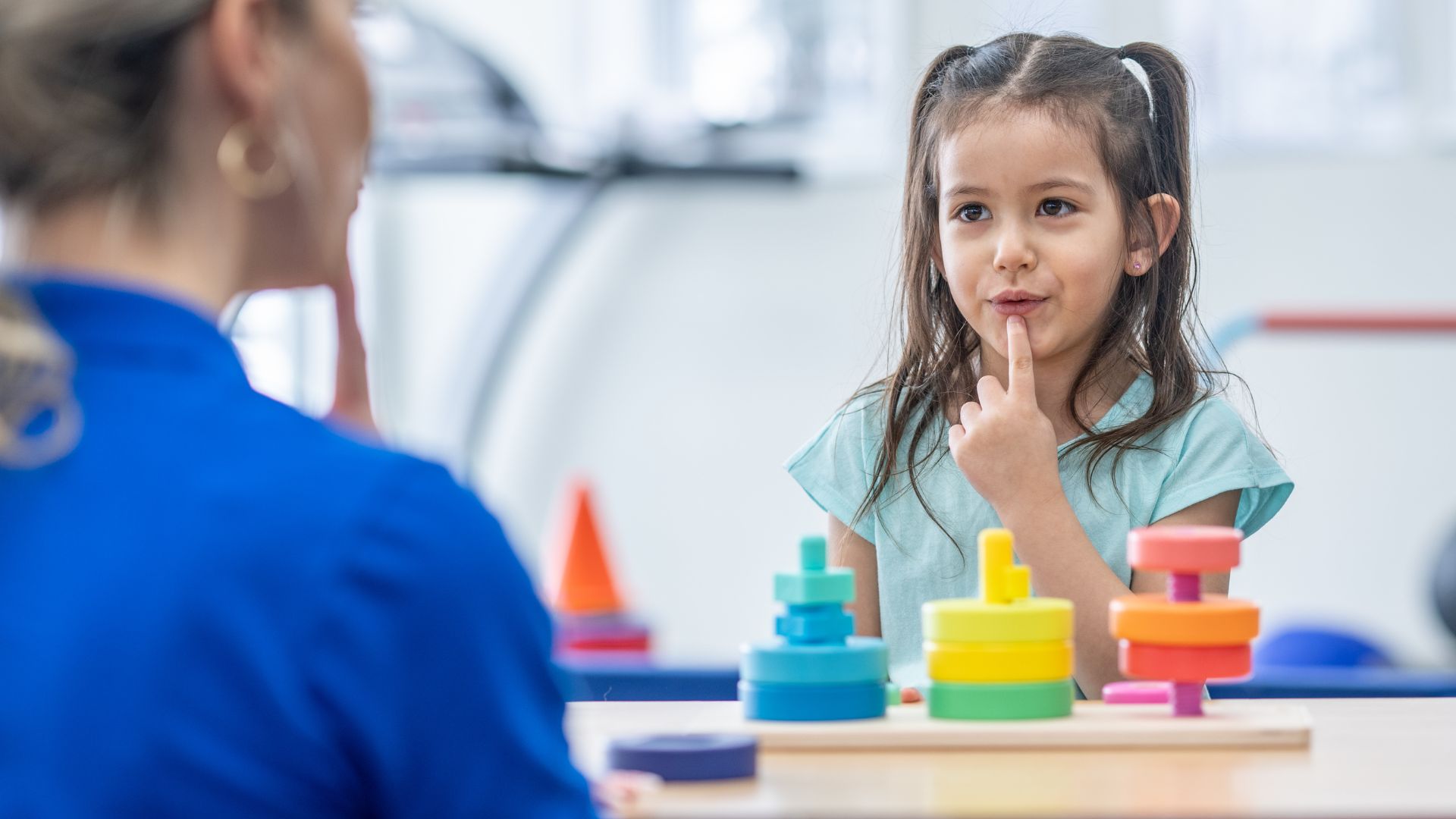
Ventura County Biomechanics Therapy focuses on how a child moves, stabilizes, and uses their body to successfully participate in everyday activities. Through pediatric occupational therapy, biomechanics therapy examines posture, joint alignment, muscle activation, balance, and coordination to help children move with greater efficiency and confidence. At Therapy Clubhouse, this approach supports children who struggle with movement quality, fatigue, coordination challenges, or difficulty completing daily tasks that require strength and control.
Children rely on healthy movement patterns to play, learn, and grow. When biomechanics are inefficient, even simple activities like sitting upright, walking, writing, or climbing can feel exhausting or frustrating. Ventura County Biomechanics Therapy helps identify movement patterns that interfere with functional development and replaces them with safer, more effective strategies. By addressing how the body moves as a whole, occupational therapists help children build the foundation needed for independence at home, in school, and within their community.
Therapy Clubhouse provides Ventura County families with biomechanics-informed occupational therapy in an environment designed for growth and encouragement. Each therapy plan focuses on functional outcomes that matter to families, including improved endurance, better coordination, and increased confidence during daily routines. If you are concerned about how your child moves or performs everyday activities, call Therapy Clubhouse at (805) 624-3301 to speak with a pediatric therapy team member and schedule an evaluation.
Ventura County Biomechanics Therapy plays a critical role in how children develop strength, coordination, and efficient movement patterns during their formative years. Pediatric biomechanics therapy looks beyond isolated muscles and focuses on how the entire body works together during functional activities such as walking, sitting, reaching, playing, and self-care. Through occupational therapy, this approach helps children develop movement strategies that support long-term independence and confidence.
At Therapy Clubhouse, biomechanics therapy supports children whose movement challenges affect daily participation. Rather than asking a child to simply try harder, occupational therapists analyze how the body moves, identify where inefficiencies occur, and guide children toward safer and more effective ways to use their bodies. This individualized approach supports developmental progress while reducing fatigue, frustration, and compensatory movement patterns that can interfere with growth.
Pediatric biomechanics therapy emphasizes how a movement is performed rather than how fast or how strong a child appears. Occupational therapists observe how joints align, how muscles activate, and how posture changes during everyday tasks. These observations help therapists understand why a child may struggle with balance, coordination, or endurance even when they appear physically capable.
By improving movement quality, Ventura County Biomechanics Therapy helps children use less effort to achieve better results. When movements become more efficient, children often experience increased stamina, smoother coordination, and improved participation in play and learning activities. This focus on efficiency supports both physical development and emotional confidence.
Proper joint alignment allows muscles to work as intended without unnecessary strain. When joints move out of alignment, the body compensates by recruiting additional muscles, which can lead to fatigue, discomfort, or inconsistent performance. In children, repeated compensatory patterns can affect posture and movement habits as they grow.
Biomechanics therapy helps children learn how to engage the right muscles at the right time. Occupational therapists guide children through activities that encourage balanced muscle activation and stable joint positioning. These skills support healthier movement patterns that adapt as the child grows and develops.
Traditional movement therapy may focus primarily on strength or range of motion. While these areas are important, they do not always address how a child uses their strength during real-life activities. Pediatric biomechanics therapy bridges this gap by connecting physical abilities to functional movement.
Ventura County Biomechanics Therapy emphasizes real-world application. Occupational therapists design activities that mirror daily tasks, allowing children to practice efficient movement in meaningful contexts. This functional focus helps improvements carry over into everyday life rather than remaining isolated to therapy sessions.
Occupational therapists apply biomechanical principles to support skills such as dressing, feeding, handwriting, and classroom participation. By adjusting posture, alignment, and movement sequencing, therapists help children perform these tasks with greater ease and confidence.
At Therapy Clubhouse, biomechanics therapy integrates play-based activities that motivate children while reinforcing proper movement patterns. This approach supports functional independence while keeping therapy engaging and developmentally appropriate for children throughout Ventura County.
Functional movement allows children to interact with their environment in ways that feel natural, confident, and age-appropriate. Ventura County Biomechanics Therapy supports functional movement by examining how a child uses their body during everyday activities rather than isolating single muscles or skills. Through occupational therapy, biomechanics therapy helps children develop coordinated movement patterns that support play, learning, and self-care.
At Therapy Clubhouse, occupational therapists focus on helping children move with purpose and efficiency. When movement patterns improve, children often experience better balance, increased endurance, and greater confidence across environments. This whole body approach allows therapy gains to transfer into real-life situations that matter most to families.
Biomechanical analysis allows occupational therapists to understand how strength, balance, and coordination interact during movement. Rather than focusing only on muscle weakness, therapists observe how the body organizes movement during tasks such as walking, climbing, throwing, or transitioning between positions.
Ventura County Biomechanics Therapy helps identify subtle movement challenges that affect coordination. By addressing these patterns, therapists support smoother and more controlled movement that improves functional performance during play and daily routines.
Walking, running, and playground activities require coordinated timing between muscles, joints, and posture. When these patterns are inefficient, children may trip frequently, avoid physical play, or tire quickly. Occupational therapists observe these activities closely to understand where breakdowns occur.
Biomechanics therapy addresses these challenges by teaching children how to shift weight, stabilize joints, and coordinate movements more effectively. These improvements help children participate more fully in physical activities with peers.
Therapists use observation, guided play, and structured activities to assess movement without overwhelming children. By watching how a child naturally moves during play, therapists gain valuable insight into balance, coordination, and muscle use.
At Therapy Clubhouse, assessments remain engaging and supportive. This approach allows therapists to gather accurate information while helping children feel comfortable and confident during therapy sessions.
Postural control and core stability form the foundation for nearly all functional movement. Children rely on these skills to sit upright, reach accurately, and maintain balance during movement. When core stability is limited, children may struggle with fine motor tasks and endurance.
Ventura County Biomechanics Therapy strengthens postural foundations through purposeful movement activities. Occupational therapists help children develop the stability needed to support controlled movement throughout the body.
Core strength supports upper body control, which directly affects tasks such as writing, cutting, and feeding. Without adequate stability, children may compensate by using excessive force or awkward positioning during fine motor tasks.
Biomechanics therapy addresses these challenges by improving trunk stability and alignment. As core control improves, children often demonstrate better hand coordination, improved attention during seated tasks, and increased comfort during classroom activities.
Efficient posture reduces the amount of effort required to maintain a position. When children no longer need to constantly adjust their bodies, they can focus more fully on learning and play.
At Therapy Clubhouse, occupational therapists incorporate postural training into meaningful activities. This approach helps children build endurance while staying engaged, supporting long-term success across school and home environments.
Ventura County Biomechanics Therapy supports children with a wide range of developmental, neurological, and movement-based challenges. Because biomechanical therapy focuses on how the body moves as a system, it can benefit children whose difficulties affect posture, coordination, balance, or endurance during daily activities. Occupational therapists use this approach to help children move more efficiently while reducing strain and compensatory patterns.
At Therapy Clubhouse, biomechanics therapy is always individualized. Therapists consider each child’s diagnosis, developmental level, and daily demands to create a plan that supports functional success at home, in school, and within the community. This personalized approach allows therapy to meet children where they are while building toward meaningful progress.
Children with developmental delays often experience challenges with strength, coordination, and motor planning. These difficulties can make everyday tasks feel overwhelming and may affect a child’s confidence when participating in play or self-care activities. Ventura County Biomechanics Therapy helps address these challenges by focusing on movement patterns that support functional independence.
Occupational therapists use biomechanical therapy to identify where movement inefficiencies occur and guide children toward more effective strategies. By improving how the body moves, children often gain better control, endurance, and participation in age-appropriate activities.
Motor planning allows children to organize and execute movements smoothly. When this process is disrupted, children may appear clumsy, hesitant, or inconsistent during physical tasks. Biomechanics therapy supports motor planning by breaking down movements into manageable steps and reinforcing efficient patterns.
Through guided practice and repetition, occupational therapists help children build confidence in their movement abilities. Over time, improved motor planning supports smoother transitions between activities and greater independence.
When movement patterns are inefficient, children often expend extra energy to complete simple tasks. This increased effort can lead to fatigue, frustration, and avoidance of activities. Biomechanics therapy helps children learn how to move with greater efficiency and control.
At Therapy Clubhouse, therapists focus on reducing unnecessary effort while increasing functional success. As children learn to move more efficiently, they often demonstrate improved stamina and enjoyment during daily routines.
Children with autism and sensory processing differences may experience challenges related to body awareness, posture, and coordination. These challenges can affect how children navigate their environment and engage in play or learning activities. Ventura County Biomechanics Therapy supports these children by improving physical organization and movement control.
Occupational therapists integrate biomechanical strategies with sensory-informed approaches to help children feel more grounded and confident in their bodies. This combined approach supports regulation and participation across settings.
Efficient movement mechanics provide consistent feedback to the nervous system. When movement is disorganized, children may struggle with regulation, balance, or spatial awareness. Biomechanics therapy helps create predictable and controlled movement experiences that support body awareness.
By improving alignment and muscle activation, occupational therapists help children feel more secure during movement. This increased stability often supports improved attention and emotional regulation.
Sensory input and movement control work together to support functional participation. When children struggle to interpret sensory information, their movement patterns may become inefficient or cautious. Biomechanics therapy provides structured movement experiences that support both sensory processing and physical control.
At Therapy Clubhouse, therapists design activities that encourage purposeful movement while respecting each child’s sensory needs. This approach supports confidence and engagement during therapy and daily activities.
Children with cerebral palsy and other neuromotor conditions often rely on compensatory movement patterns to complete tasks. While these strategies may be effective short term, they can place additional strain on the body over time. Ventura County Biomechanics Therapy focuses on supporting safer and more functional movement patterns.
Occupational therapists use biomechanical therapy to address posture, joint alignment, and muscle coordination in ways that support long-term mobility and independence. Therapy plans are carefully adapted to meet each child’s unique needs.
Children with neuromotor challenges benefit from therapy that prioritizes safety and function. Occupational therapists modify activities to promote stability while encouraging active participation. These adaptations help children practice meaningful skills without increasing physical stress.
Biomechanics therapy supports controlled movement that aligns with each child’s abilities. This approach helps build confidence while protecting joints and muscles during growth.
Repeated compensatory movements can affect posture and joint health as children grow. Biomechanics therapy helps identify these patterns early and introduces alternative strategies that support balanced movement.
At Therapy Clubhouse, occupational therapists focus on long-term outcomes. By addressing movement mechanics early, therapy helps reduce the risk of discomfort and functional limitations later in life.
At Therapy Clubhouse, Ventura County Biomechanics Therapy is delivered through pediatric occupational therapy with a strong emphasis on functional outcomes. Occupational therapists use biomechanics to understand how a child’s body moves during daily activities and how those movement patterns affect independence, confidence, and participation. This approach allows therapy to focus on real-life skills rather than isolated exercises.
Each child receives individualized care based on their unique movement needs and developmental goals. Therapists combine clinical expertise with a play-based environment to help children practice efficient movement in ways that feel engaging and meaningful. This thoughtful integration supports long-lasting progress across home, school, and community settings.
A comprehensive evaluation forms the foundation of effective biomechanical therapy. During the evaluation, occupational therapists assess posture, alignment, balance, coordination, and movement patterns as a child engages in functional activities. This process helps identify areas where inefficient movement may interfere with daily performance.
Ventura County Biomechanics Therapy evaluations at Therapy Clubhouse are designed to be child-friendly and supportive. Therapists gather detailed information while ensuring children feel comfortable and confident throughout the assessment process.
Parents can expect a collaborative and informative evaluation experience. Occupational therapists observe how a child moves during play, transitions, and self-care-related tasks. They also gather input from caregivers to understand challenges observed at home and school.
Therapists explain observations in clear and practical terms. This open communication helps families understand how movement patterns affect daily routines and what therapy can address moving forward.
Therapy goals focus on activities that matter most to families. Occupational therapists translate evaluation findings into goals that support independence, participation, and confidence. These goals may relate to self-care, school tasks, or play-based skills.
At Therapy Clubhouse, goals remain flexible and responsive to each child’s progress. This individualized planning ensures therapy remains relevant and motivating.
Occupational therapists use evidence-based techniques that align with biomechanical principles to support functional movement. These techniques address strength, stability, coordination, and endurance while promoting efficient movement patterns. Therapy sessions focus on building skills that transfer into everyday life.
Ventura County Biomechanics Therapy emphasizes purposeful activity rather than repetitive exercise. This functional focus helps children generalize skills beyond the therapy setting.
Strengthening and stretching activities support balanced muscle activation and joint mobility. Occupational therapists carefully select exercises that align with each child’s needs and functional goals. These activities help improve stability and movement control.
Functional movement training allows children to practice these skills during meaningful tasks. This approach supports carryover into daily routines and play.
Play serves as a powerful tool for learning and development. At Therapy Clubhouse, occupational therapists integrate biomechanical principles into play-based activities that motivate children and encourage active participation.
Through climbing, balancing, and interactive games, children practice efficient movement patterns naturally and enjoyably. This integration supports sustained engagement and positive therapy outcomes.
Everyday life skills depend on how efficiently a child can move their body through space while maintaining stability and control. Ventura County Biomechanics Therapy improves daily functioning by addressing the physical foundations that support independence. Through occupational therapy, biomechanics therapy helps children complete routine tasks with less effort, greater accuracy, and increased confidence.
At Therapy Clubhouse, therapists focus on translating movement improvements into practical gains. When biomechanics improve, children often show progress across self-care, school tasks, and play-based activities. This functional approach ensures therapy directly supports a child’s quality of life.
Self-care tasks require coordinated movement, postural control, and endurance. Activities such as dressing, grooming, and feeding become challenging when a child struggles with balance or muscle coordination. Ventura County Biomechanics Therapy addresses these challenges by improving the way a child stabilizes and moves during daily routines.
Occupational therapists analyze how a child positions their body during self-care tasks. By adjusting posture and movement sequencing, therapists help children complete these activities more independently and comfortably.
Dressing and grooming require bilateral coordination, balance, and fine motor control. When movement patterns are inefficient, children may rely on awkward positions or excessive effort. Biomechanics therapy supports smoother coordination that makes these tasks more manageable.
Feeding skills also benefit from improved postural stability. By strengthening the core and promoting proper alignment, occupational therapists help children maintain controlled movements during meals, supporting safety and independence.
Inefficient movement often leads to early fatigue and emotional frustration. Children may avoid tasks that feel physically demanding, which can affect confidence and independence. Biomechanics therapy helps reduce unnecessary effort by teaching children how to move more efficiently.
At Therapy Clubhouse, therapists focus on conserving energy while improving functional outcomes. As routines become easier, children often feel more confident and willing to participate.
School environments place physical demands on children throughout the day. Sitting upright, writing, transitioning between activities, and participating in physical education all require postural control and endurance. Ventura County Biomechanics Therapy supports these skills through targeted occupational therapy.
By addressing body mechanics, therapists help children maintain attention and comfort during classroom activities. Improved posture and stability often lead to better academic participation and reduced behavioral challenges related to fatigue.
Proper sitting posture supports hand use and visual attention during academic tasks. When children lack postural stability, they may lean excessively, fidget, or tire quickly. Biomechanics therapy strengthens the physical foundation needed for sustained classroom engagement.
Occupational therapists guide children in developing balanced sitting positions that support controlled hand movements. This alignment improves writing, cutting, and other fine motor tasks required in school.
When movement feels easier, children can focus more fully on learning. Improved body mechanics reduces distractions related to discomfort or fatigue. Biomechanics therapy supports consistent participation across classroom activities.
At Therapy Clubhouse, occupational therapists collaborate with families to support school success. This holistic approach helps children feel confident in their abilities and prepared to meet daily academic demands.
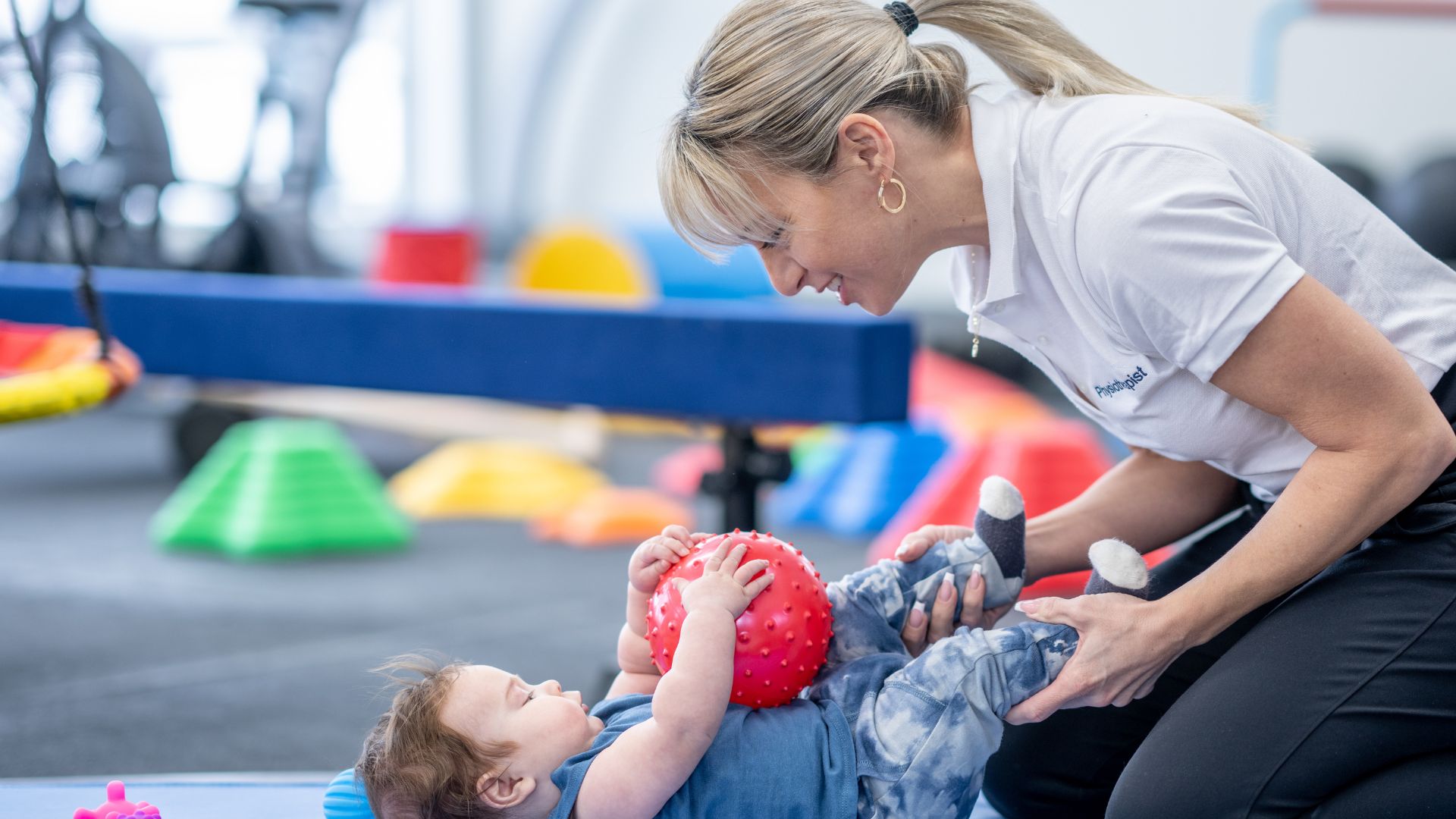
Choosing the right therapy support can make a meaningful difference in your child’s development and daily independence. Ventura County Biomechanics Therapy at Therapy Clubhouse focuses on helping children move with confidence, efficiency, and control through personalized occupational therapy. By addressing how your child’s body moves during everyday activities, therapy supports long-term success at home, in school, and throughout the community.
Therapy Clubhouse provides a welcoming and child-centered environment where families feel supported at every stage of the therapy process. Our pediatric occupational therapists use evidence-based biomechanics principles combined with play-based therapy to help children build strength, coordination, and confidence in ways that feel encouraging and achievable.
If you have concerns about your child’s movement, posture, or endurance during daily activities, now is the time to take the next step. Call Therapy Clubhouse at (805) 624-3301 to schedule a Ventura County Biomechanics Therapy evaluation and learn how occupational therapy can support your child’s growth and independence.