

Fine motor skills play a critical role in how children interact with their world, from holding a crayon and feeding themselves to buttoning clothes and completing classroom tasks with confidence. Ventura County Fine Motor Skills Therapy focuses on helping children strengthen the small muscles of the hands and fingers while improving coordination, control, and endurance for everyday activities. When fine motor delays appear, children may struggle with independence, frustration, and self-confidence, especially as academic and social demands increase.
At Therapy Clubhouse, our pediatric occupational therapists provide Ventura County Fine Motor Skills Therapy through evidence-based, play-driven sessions designed specifically for children. Therapy takes place in a supportive and joyful environment where kids feel safe to try, practice, and succeed. By targeting hand strength, bilateral coordination, grasp development, and visual motor integration, our therapists help children build the skills they need for school readiness, self-care tasks, and meaningful participation at home and in the community.
Families throughout Ventura County trust Therapy Clubhouse because therapy here never feels rushed or clinical. Each child receives an individualized treatment plan built around their unique needs, developmental level, and personal goals. Our team works closely with parents to ensure progress continues beyond the therapy room, helping children move toward greater independence and confidence every step of the way. If you have concerns about your child’s fine motor development, call Therapy Clubhouse today at (805) 624-3301 to speak with our team and schedule an occupational therapy evaluation.
Fine motor skills therapy helps children develop the strength, coordination, and control needed to complete everyday tasks with greater independence. In Ventura County, many families seek occupational therapy support when they notice their child struggling with hand-based activities that peers seem to manage more easily. Fine motor therapy focuses on building foundational skills that support academic success, self-care routines, and confident participation in play and learning environments.
At Therapy Clubhouse, our Ventura County fine motor skills therapy programs address these challenges through intentional, child-centered occupational therapy. Therapy sessions emphasize functional outcomes so children can apply new skills to real-life situations at home, school, and in the community. The American Occupational Therapy Association explains that fine motor development supports childhood participation and independence, which makes early support especially valuable for long-term growth.
Fine motor skill development begins in infancy and continues through early childhood as children gain greater control over their hands and fingers. These skills help children manipulate objects, explore their environment, and complete increasingly complex tasks as they grow. When development follows a steady progression, children often build confidence and independence in daily routines.
Delays or disruptions in fine motor development can affect many areas of a child’s life, including play, learning, and self-care. Pediatric occupational therapists at Therapy Clubhouse evaluate how a child’s fine motor abilities align with developmental expectations and design therapy plans that support skill building at an appropriate pace.
Hand strength and coordination directly influence a child’s ability to perform everyday tasks without assistance. Activities such as opening containers, using eating utensils, or manipulating small toys rely on strong and coordinated hand muscles. When these skills lag behind, children may rely heavily on adults, which can create frustration and reduce confidence.
Fine motor skills therapy targets these areas through engaging, play-based exercises that strengthen the hands while improving timing and control. By improving coordination and endurance, therapy helps children gain independence in routines that matter most to families.
Early fine motor milestones support later academic demands such as handwriting, cutting with scissors, and using classroom tools. Children who struggle with fine motor control often have trouble keeping up with written work, which can affect motivation and overall classroom participation.
Addressing fine motor delays early helps children build a stronger foundation before academic expectations increase. The Centers for Disease Control and Prevention highlights the value of supporting early development to improve long-term outcomes, which reinforces why early occupational therapy can matter for school success.
Parents often notice fine motor challenges during daily routines long before formal schooling begins. Difficulty completing age-appropriate hand tasks can signal the need for professional support, especially when challenges persist or interfere with participation at home, preschool, or daycare.
Therapy Clubhouse encourages families to trust their instincts when concerns arise. An occupational therapy evaluation can clarify whether fine motor skills therapy would benefit your child and identify the specific areas that need targeted support.
Children who struggle to grasp crayons, pencils, or utensils may use immature grip patterns that limit control and endurance. These challenges can lead to avoiding drawing, writing, or self-feeding tasks, which can impact both learning and independence.
Fine motor skills therapy helps children develop more efficient grasp patterns through guided practice and strengthening activities. As grasp stability improves, children often feel more confident and capable during everyday hand tasks.
Weak or inefficient grasp patterns make it difficult for children to control writing tools with precision. This can lead to poor letter formation, slow writing speed, and hand fatigue, especially during longer classroom activities.
Occupational therapy strengthens the foundational skills that support handwriting readiness, including hand strength, finger isolation, and wrist stability. When children build these skills early, writing tasks often become more comfortable and less frustrating.
Self-care tasks such as buttoning shirts, zipping jackets, and managing fasteners require refined fine motor coordination and strong bilateral hand use. When children struggle with these skills, they may depend on adults longer than expected, which can affect independence and self-esteem.
Fine motor skills therapy at Therapy Clubhouse integrates real-life self-care practice into sessions so children can work on functional goals that directly translate to daily routines. This approach supports practical progress that families can see at home.
Preschool years bring new expectations for independence, which makes fine motor delays more noticeable. As children begin structured activities like crafts, early writing, and dressing themselves, underlying challenges often become easier to spot.
Identifying fine motor delays during preschool gives families time to build skills before academic pressure increases in kindergarten and early elementary school. Therapy Clubhouse supports Ventura County families with timely evaluations and individualized therapy plans that help children move forward with confidence.
Pediatric occupational therapy plays a central role in helping children strengthen fine motor skills needed for daily activities, school participation, and independent self-care. In Ventura County, families often turn to occupational therapy when fine motor delays interfere with a child’s ability to write, play, eat, or dress independently. Occupational therapy focuses on both the physical and neurological foundations of hand function so children can build skills that transfer into real-life routines.
At Therapy Clubhouse, fine motor skills therapy is delivered through evidence-based occupational therapy that feels engaging and motivating for children. Sessions emphasize purposeful movement, repetition through play, and individualized strategies that align with each child’s developmental level. This approach helps children gain confidence while making meaningful progress toward functional independence.
Occupational therapy supports fine motor development by addressing the underlying components that influence hand use, including muscle strength, coordination, motor planning, and sensory processing. Rather than focusing only on the task itself, occupational therapists look at how the body and brain work together to produce controlled movement.
Through targeted activities and guided practice, occupational therapy helps children develop efficient movement patterns that improve accuracy and endurance. This comprehensive approach allows gains made in therapy to carry over into everyday tasks at home and school.
Occupational therapists begin by evaluating a child’s hand strength, finger isolation, bilateral coordination, and overall dexterity. These assessments help identify specific areas of difficulty that may affect tasks such as handwriting, utensil use, or manipulating small objects.
Therapists also observe how children approach tasks, noting posture, grip patterns, and problem-solving strategies. This detailed evaluation allows therapists at Therapy Clubhouse to create treatment plans that address both skill deficits and functional performance.
Evaluations often combine standardized assessment tools with play-based observations to gain a full picture of a child’s abilities. Standardized measures help compare skills to age-based expectations, while play-based activities reveal how children use their hands naturally during everyday interactions.
This balanced assessment approach ensures therapy goals remain both developmentally appropriate and meaningful for the child’s daily life. Families receive clear explanations of findings so they understand how therapy will support their child’s progress.
Play-based therapy allows children to build fine motor skills in a way that feels enjoyable rather than demanding. Children learn best when they feel motivated and engaged, which is why Therapy Clubhouse integrates play into every fine motor therapy session.
Activities are carefully selected to challenge hand skills while keeping sessions fun and interactive. This approach encourages repeated practice without frustration, which is essential for building lasting motor skills.
Therapeutic games often involve squeezing, pinching, stacking, and manipulating objects of different sizes and textures. These activities strengthen the small muscles of the hands and fingers while improving precision and control.
By embedding strengthening exercises into games, children practice fine motor skills naturally and willingly. Over time, improved finger strength supports tasks such as writing, cutting, and fastening clothing.
When therapy feels like play, children remain more focused and willing to try challenging tasks. Increased engagement leads to more repetitions, which strengthens neural pathways responsible for fine motor control.
Play-driven therapy also reduces anxiety and resistance, especially for children who may feel frustrated by skill challenges. This supportive environment helps children build confidence alongside physical skill development.
Hands-on activities such as puzzles, crafts, and building tasks require precise movements and coordinated use of both hands. These activities help children refine motor planning and improve accuracy during fine motor tasks.
Occupational therapists adjust the difficulty of activities to match each child’s skill level, ensuring challenges remain achievable. Gradual progression allows children to experience success while continuing to build coordination.
Repetition strengthens motor learning by reinforcing efficient movement patterns in the brain. Through repeated play-based activities, children practice fine motor movements in varied and meaningful contexts.
This repetition helps skills become more automatic, making it easier for children to apply what they learn in therapy to everyday situations. Over time, consistent practice leads to improved independence and smoother performance across daily tasks.
Children develop fine motor skills at different rates, but ongoing difficulty with hand-based tasks can signal a need for targeted support. In Ventura County, pediatric occupational therapy commonly addresses fine motor challenges that interfere with learning, self-care, and confident participation in daily activities. These challenges often appear as children face increased expectations at home, in preschool, and in elementary school.
At Therapy Clubhouse, Ventura County fine motor skills therapy focuses on identifying the specific challenges each child faces and addressing them through individualized occupational therapy plans. By targeting functional goals, therapy helps children build skills that translate directly into improved independence and confidence across environments.
Handwriting requires a complex combination of hand strength, finger coordination, visual motor integration, and postural stability. When any of these components are underdeveloped, children may struggle with writing tasks long before academic expectations become more demanding.
Occupational therapy supports school readiness by helping children develop the foundational fine motor skills needed for classroom success. Therapy sessions focus on preparing children to approach writing and tabletop tasks with confidence and endurance.
Poor pencil control often shows up as inconsistent letter size, shaky lines, or difficulty staying within lines. Children may grip writing tools too tightly or switch hands frequently due to fatigue, which can slow progress and reduce motivation.
Fine motor skills therapy strengthens the muscles used for writing while improving coordination and control. Occupational therapists also address grip patterns and wrist positioning so children can write more efficiently and comfortably.
Improved fine motor control allows children to keep pace with classroom activities that involve writing, drawing, and cutting. When children no longer struggle with the mechanics of writing, they can focus more on learning content and expressing ideas.
Therapy Clubhouse helps Ventura County children develop the skills they need to participate fully in classroom routines. This support often leads to increased confidence, improved task completion, and reduced frustration at school.
Using utensils requires precise hand movements, coordination between both hands, and consistent grip strength. Children with fine motor delays may struggle to scoop food, stab with a fork, or bring utensils to their mouths smoothly.
Fine motor skills therapy addresses these challenges by improving hand control and coordination through functional feeding-related activities. Therapy focuses on building skills that support safe and independent eating.
Children who struggle with spoons, forks, or open cups may spill frequently or avoid self-feeding altogether. These difficulties can affect mealtime routines and limit a child’s independence during daily activities.
Occupational therapists use play-based and real-life practice to help children improve control during feeding tasks. As fine motor skills improve, children often gain confidence and participate more actively in family meals.
Hand-to-mouth coordination involves timing, precision, and postural stability. Fine motor therapy strengthens these components through activities that encourage controlled movement and repeated practice.
With consistent therapy, children learn to move their hands smoothly and accurately toward their mouths. These gains support more successful self-feeding and help children build independence during meals.
Self-care tasks such as dressing, grooming, and hygiene require coordinated hand movements and bilateral coordination. When fine motor skills are underdeveloped, children may struggle to complete these routines independently.
Occupational therapy focuses on helping children master self-care skills that support independence and confidence. Therapy sessions often include practice with real clothing fasteners and grooming tools.
Dressing tasks like buttoning shirts, zipping jackets, and managing snaps can be frustrating for children with fine motor delays. Grooming tasks such as brushing teeth or washing hands may also feel challenging due to limited hand control.
Fine motor skills therapy addresses these difficulties by strengthening hand muscles and improving coordination. Therapists also teach strategies that make tasks more manageable for children at different developmental stages.
When children gain independence in self-care routines, they often feel more capable and confident. Completing tasks without assistance supports emotional growth alongside physical development.
Therapy Clubhouse emphasizes functional independence as a key outcome of Ventura County fine motor skills therapy. By helping children succeed in daily routines, occupational therapy supports both skill development and self-esteem.
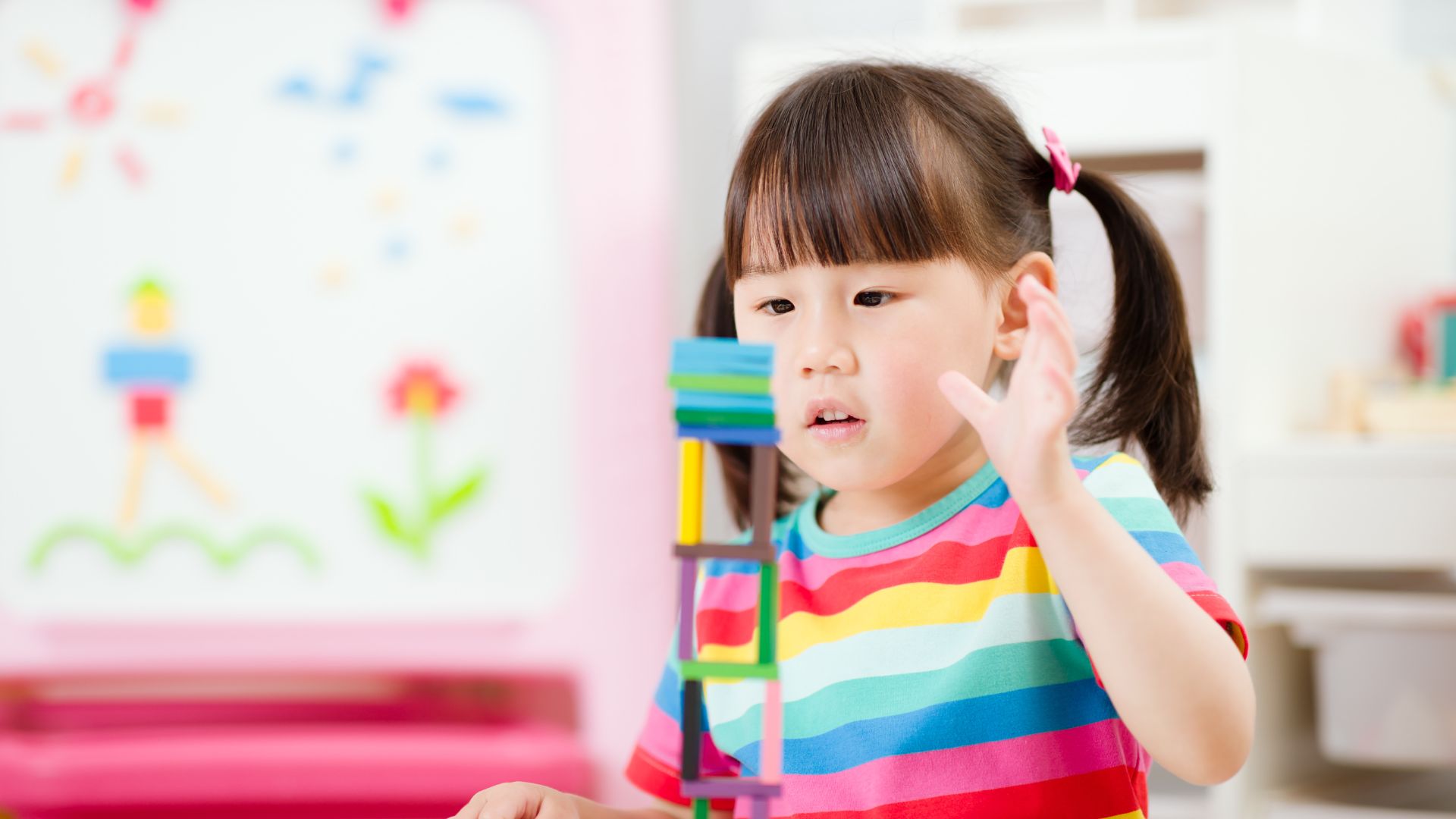
When fine motor challenges affect your child’s ability to learn, play, or care for themselves independently, early support can make a meaningful difference. Ventura County fine motor skills therapy helps children strengthen hand control, coordination, and confidence so they can participate more fully in daily routines at home and school. With the right guidance and encouragement, children can build skills that support long-term independence and academic success.
Therapy Clubhouse provides pediatric occupational therapy in a warm, supportive environment designed specifically for children. Our experienced therapists create individualized fine motor skills therapy plans that focus on real-life goals, measurable progress, and joyful engagement. Families throughout Ventura County choose Therapy Clubhouse because therapy here feels collaborative, thoughtful, and centered on each child’s unique strengths and needs.
If you have concerns about your child’s fine motor development or want to learn more about Ventura County fine motor skills therapy, our team is here to help. Call Therapy Clubhouse today at (805) 624-3301 to schedule an occupational therapy evaluation and take the next step toward supporting your child’s growth and independence.