

Self-care skills play a critical role in a child’s independence, confidence, and daily success at home, school, and in the community. Ventura County self-care therapy focuses on helping children develop the essential daily living skills they need to care for themselves, such as dressing, feeding, grooming, and personal hygiene. Through pediatric occupational therapy, children learn these skills in a supportive, play-based environment that meets them exactly where they are developmentally, while encouraging steady, meaningful progress.
At Therapy Clubhouse, self-care therapy is delivered through individualized occupational therapy programs designed specifically for children in Ventura County. Our therapists understand that self-care challenges are rarely just about the task itself. They often connect to fine motor coordination, sensory processing, motor planning, emotional regulation, and confidence. By addressing the whole child, Therapy Clubhouse helps children build functional self-care abilities that carry over into real-life routines, not just therapy sessions.
If you are concerned about your child’s ability to manage everyday self-care tasks, early support can make a lasting difference. The pediatric occupational therapy team at Therapy Clubhouse is here to guide your family with compassion, expertise, and a child-first approach. Call (805) 624-3301 today to speak with our team and learn how Ventura County self-care therapy can support your child’s growth and independence.
Pediatric self-care therapy in Ventura County focuses on helping children develop the everyday skills they need to care for themselves with confidence and independence. These skills include dressing, feeding, grooming, toileting, and other daily living tasks that support participation at home, school, and in the community. Through occupational therapy, self-care development becomes a structured yet playful process that respects each child’s unique pace, strengths, and challenges.
At Therapy Clubhouse, self-care therapy is delivered through pediatric occupational therapy programs designed to feel supportive rather than clinical. Children practice real-life self-care tasks in ways that feel achievable and motivating, while therapists address the underlying skills that make independence possible. This approach helps children in Ventura County build lasting self-care abilities that carry over beyond the therapy room and into daily routines.
Self-care therapy supports daily living skills by breaking complex tasks into manageable steps and teaching children how their bodies move, plan, and respond during everyday activities. Occupational therapists focus on helping children understand the sequence, coordination, and sensory input involved in self-care tasks so they can perform them more independently over time.
For many children, daily living skills do not develop automatically. Pediatric occupational therapy provides guided practice, repetition, and encouragement so children can gain confidence while mastering tasks that once felt overwhelming. At Therapy Clubhouse, therapists tailor self-care therapy to each child’s developmental level, learning style, and emotional needs to promote steady progress.
Activities of daily living refer to the basic self-care tasks children need to complete each day to function independently. In pediatric occupational therapy, these activities form the foundation of self-care therapy because they directly impact a child’s ability to participate fully in family life, school routines, and social settings.
Occupational therapists assess how a child approaches daily living tasks and identify areas where support is needed. Therapy Clubhouse uses this information to create individualized self-care therapy plans that address both the task itself and the skills required to complete it successfully, such as coordination, attention, and sensory processing.
Dressing, feeding, and hygiene skills typically develop gradually as children gain strength, coordination, and body awareness. Some children, however, need extra support to master these skills due to developmental delays, sensory sensitivities, or motor planning challenges. Self-care therapy helps children practice these skills in a way that matches their current abilities while gently pushing them toward greater independence.
At Therapy Clubhouse, occupational therapists understand that self-care progress is not linear. Children may advance quickly in one area while needing more time in another. By honoring each child’s developmental journey, self-care therapy supports long-term success rather than rushed outcomes.
Self-care skills play a vital role in helping children feel capable and confident in their daily lives. When children can dress themselves, feed themselves, and manage basic hygiene tasks, they experience a sense of accomplishment that strengthens self-esteem and emotional resilience. These skills also reduce frustration and dependence on caregivers, creating more positive daily routines.
In Ventura County self-care therapy, occupational therapists focus on empowering children rather than simply completing tasks for them. Therapy Clubhouse emphasizes skill-building that allows children to take ownership of their routines, fostering independence that supports both emotional well-being and functional growth.
Structured occupational therapy programs provide children with consistent opportunities to practice self-care skills in a supportive environment. Therapists use predictable routines, clear expectations, and engaging activities to help children understand what to do and how to do it successfully. This structure reduces anxiety and builds confidence over time.
At Therapy Clubhouse, self-care therapy programs are carefully designed to balance structure with flexibility. Therapists adjust strategies as children grow and develop, ensuring that each child continues to feel challenged, supported, and successful throughout their occupational therapy journey.
Many children develop self-care skills naturally over time, but some need additional support to keep up with daily expectations. Recognizing the early signs that a child may benefit from Ventura County self-care therapy can help families seek occupational therapy before frustration or avoidance patterns take hold. Self-care challenges can affect a child’s confidence, emotional regulation, and participation in everyday routines.
At Therapy Clubhouse, pediatric occupational therapists work closely with families to identify self-care difficulties and determine whether structured therapy may be helpful. Early intervention allows children to build foundational skills in a supportive environment while reducing stress for both children and caregivers.
Self-care challenges can appear at any stage of childhood and may look different depending on a child’s age and developmental level. Some children struggle with basic routines, while others manage certain tasks but have difficulty with consistency or independence. These challenges often signal underlying motor, sensory, or planning difficulties that occupational therapy can address.
Therapy Clubhouse supports Ventura County families by helping them understand why self-care tasks feel difficult for their child and how targeted therapy can create meaningful change. Identifying these challenges early allows children to practice skills before they impact school readiness or social participation.
Children who struggle with dressing, grooming, or hygiene may avoid these activities or become easily frustrated during daily routines. Tasks such as putting on clothes, managing fasteners, brushing teeth, or washing hands require coordination, sequencing, and body awareness. When these skills do not develop smoothly, children may rely heavily on adult assistance.
Self-care therapy helps children build the fine motor skills, motor planning abilities, and confidence needed to manage personal care tasks more independently. At Therapy Clubhouse, occupational therapists guide children through these routines using supportive strategies that reduce stress and increase success.
Feeding challenges can include difficulty using utensils, messy eating, limited food acceptance, or avoidance of certain textures. These issues may affect a child’s ability to eat independently and participate comfortably in family meals. Feeding difficulties often connect to sensory sensitivities, oral motor skills, or coordination challenges.
Pediatric self-care therapy addresses feeding skills through occupational therapy techniques that respect each child’s comfort level. Therapy Clubhouse supports Ventura County children by gradually building feeding independence while promoting positive mealtime experiences.
Developmental and sensory differences can significantly impact a child’s ability to perform self-care tasks. Children with autism, ADHD, sensory processing challenges, or developmental delays may experience difficulty with transitions, body awareness, or tolerating certain sensations involved in self-care routines.
Occupational therapy focuses on helping children understand and manage their sensory experiences while building practical skills. Therapy Clubhouse creates individualized self-care therapy plans that support each child’s neurological and sensory needs in a calm, encouraging environment.
Children with autism, ADHD, or sensory processing differences often experience self-care tasks as overwhelming or unpredictable. Sensory sensitivities to textures, sounds, or movements can make everyday routines feel stressful. Challenges with attention or executive functioning can also interfere with completing multi-step tasks.
Ventura County self-care therapy at Therapy Clubhouse helps children develop strategies to manage sensory input, follow routines, and build independence at their own pace. Occupational therapists work closely with families to ensure that self-care skills practiced in therapy carry over into daily life, supporting long-term success and confidence.
Ventura County self-care therapy at Therapy Clubhouse is built around the belief that children learn best when therapy feels engaging, safe, and meaningful. Pediatric occupational therapy sessions focus on helping children develop real-world self-care skills while addressing the underlying physical, sensory, and cognitive components that support independence. Each therapy plan is individualized to reflect the child’s strengths, challenges, and daily routines.
Therapy Clubhouse creates a welcoming environment where children feel comfortable practicing self-care skills without pressure or judgment. By combining evidence-based occupational therapy techniques with a play-centered approach, self-care therapy helps children gain confidence and apply their skills beyond the therapy space and into everyday life.
Every self-care therapy journey begins with a comprehensive occupational therapy evaluation. This evaluation allows therapists to understand how a child approaches daily living tasks and identify areas that may be affecting independence. The evaluation process considers physical abilities, sensory processing, attention, and emotional regulation.
At Therapy Clubhouse, occupational therapists collaborate closely with families during the evaluation to gain insight into home routines and specific concerns. This personalized approach ensures that self-care therapy goals align with what matters most to the child and family in their daily lives.
Fine motor coordination, sensory processing, and motor planning all play essential roles in self-care tasks. Difficulties in these areas can make activities like dressing, feeding, or grooming feel challenging or exhausting for children. Occupational therapists carefully assess how these skills interact during everyday routines.
Therapy Clubhouse uses these assessment findings to design targeted self-care therapy strategies. By addressing the root causes of difficulty, occupational therapy supports children in building stronger, more efficient movement patterns and improved sensory regulation.
Play-based therapy allows children to practice self-care skills in ways that feel natural and motivating. Through games, routines, and interactive activities, children learn how to approach daily living tasks with curiosity rather than resistance. This method increases engagement and encourages repetition, which is essential for skill development.
At Therapy Clubhouse, play-based self-care therapy mirrors real-life situations so children can transfer their skills to home and school environments. Occupational therapists adjust activities to keep sessions fun while maintaining a clear focus on functional outcomes.
Daily routines provide meaningful opportunities for children to practice self-care skills consistently. Occupational therapists use familiar activities such as dressing for the day or preparing meals to reinforce learning. These routines help children understand the purpose behind each skill, increasing motivation and carryover.
Therapy Clubhouse emphasizes routine-based learning to support long-term success. By practicing skills within predictable sequences, children gain confidence and begin to anticipate each step of the task.
Play-based learning supports long-term skill retention by engaging multiple areas of the brain at once. When children enjoy the learning process, they are more likely to remain focused and remember what they have practiced. Play also allows children to problem-solve and adapt skills in different situations.
Occupational therapists at Therapy Clubhouse intentionally design self-care therapy activities that blend play with purpose. This approach helps children retain self-care skills and apply them independently across different environments and routines.
Pediatric occupational therapy programs focus on helping children develop the practical self-care skills they need to participate confidently in daily life. These skills form the foundation for independence and allow children to take an active role in their routines at home, school, and in the community. Ventura County self-care therapy targets the specific tasks that often present challenges while supporting the underlying developmental skills that make independence possible.
At Therapy Clubhouse, occupational therapists design self-care therapy programs that reflect real-life demands rather than isolated exercises. By practicing meaningful tasks in a supportive setting, children build functional abilities that transfer naturally into everyday routines and environments.
Dressing requires a combination of fine motor strength, bilateral coordination, sequencing, and body awareness. Many children struggle with these demands, especially when tasks involve multiple steps or fasteners. Occupational therapy supports children by breaking dressing tasks into manageable parts and providing guided practice that builds confidence.
Therapy Clubhouse helps Ventura County children develop dressing independence through individualized occupational therapy strategies. Therapists meet children at their current skill level and gradually introduce new challenges to promote steady progress without frustration.
Managing zippers, buttons, shoes, and clothing fasteners can be particularly difficult for children with fine motor delays or coordination challenges. These tasks require precise hand movements, strength, and timing, which may not develop evenly in all children. When children struggle, daily routines can become stressful for both the child and caregivers.
Self-care therapy at Therapy Clubhouse focuses on strengthening hand skills and improving coordination through purposeful activities. Occupational therapists guide children through repeated practice in ways that feel achievable and encouraging, supporting long-term independence in dressing routines.
Feeding is a critical self-care skill that supports nutrition, social participation, and independence. Children may experience challenges with feeding due to sensory sensitivities, motor coordination difficulties, or limited exposure to different foods. Occupational therapy addresses these challenges while prioritizing comfort and positive experiences.
At Therapy Clubhouse, feeding-related self-care therapy respects each child’s pace and preferences. Therapists work closely with families to create supportive strategies that promote independence while reducing mealtime stress.
Using utensils, chewing safely, and tolerating different food textures all require complex coordination and sensory processing. Children who struggle in these areas may avoid certain foods or rely heavily on assistance during meals. Occupational therapy helps children develop the skills needed to eat more independently and comfortably.
Therapy Clubhouse occupational therapists use evidence-based techniques to support utensil use, oral motor development, and gradual exposure to new foods. These strategies help children build confidence at mealtimes while encouraging healthy participation in family routines.
Personal hygiene and grooming tasks are essential for health, social participation, and self-esteem. Activities such as hand washing, tooth brushing, and hair care require coordination, sequencing, and sensory tolerance. Children who struggle with these tasks may resist routines or need frequent reminders.
Ventura County self-care therapy at Therapy Clubhouse supports children in developing consistent hygiene routines through occupational therapy. Therapists focus on making these tasks predictable and manageable so children can practice them with greater independence.
Tooth brushing, hand washing, and bathroom routines involve multiple steps that must be completed in a specific order. Sensory sensitivities to textures, sounds, or movements can further complicate these tasks for some children. Occupational therapy helps children understand and tolerate each part of the routine.
At Therapy Clubhouse, therapists guide children through hygiene tasks using structured routines and supportive strategies. Over time, children gain confidence and independence, allowing these essential self-care skills to become part of their everyday lives.
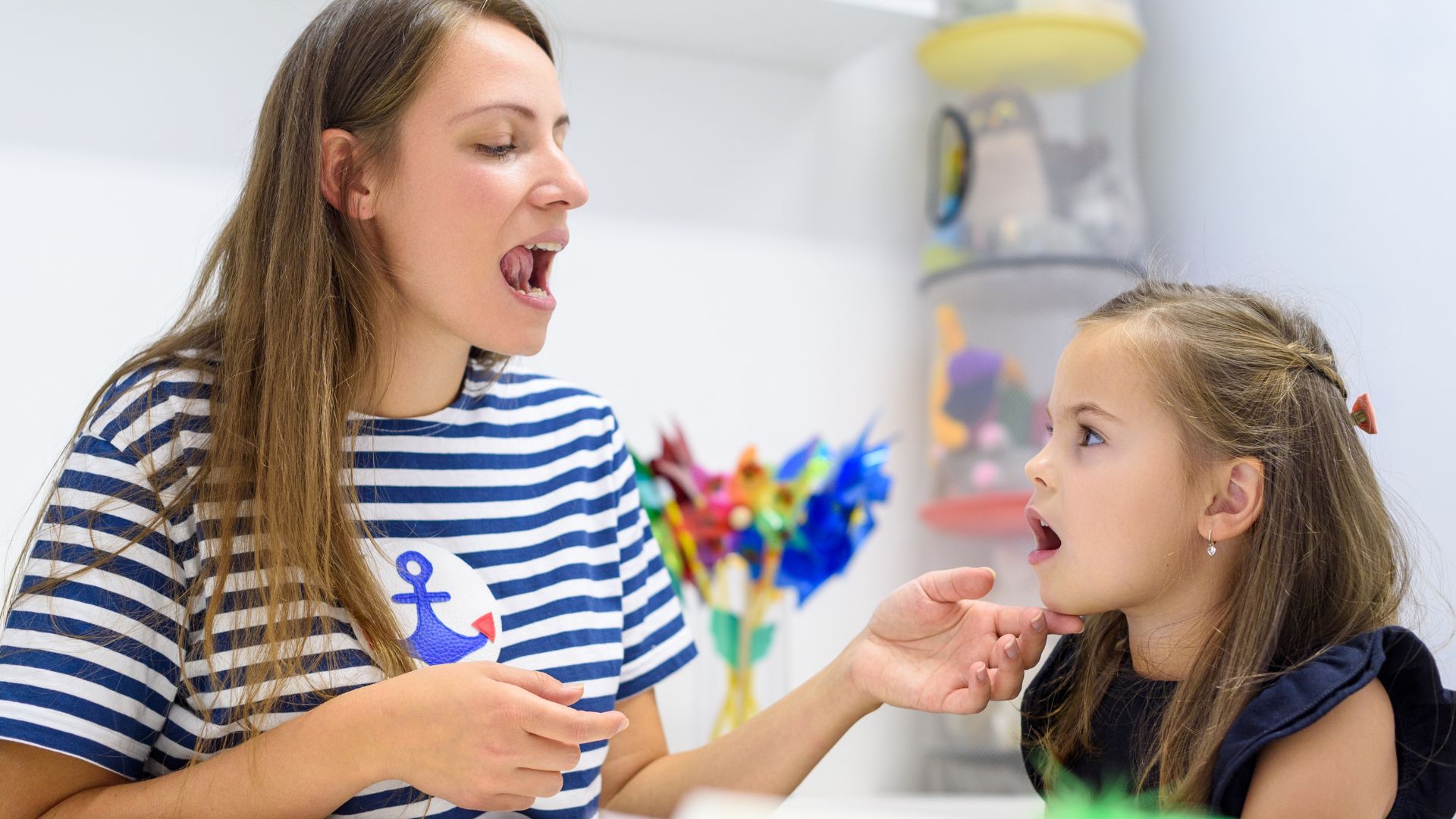
Helping a child develop self-care skills can transform daily life for the entire family. When children gain independence with dressing, feeding, hygiene, and daily routines, they often experience greater confidence, reduced frustration, and stronger participation at home and school. Ventura County self-care therapy provides children with the structured support they need to build these essential skills at a pace that feels safe, encouraging, and achievable.
Therapy Clubhouse offers pediatric occupational therapy programs designed to support self-care development through play-based, individualized care. Our therapists focus on the whole child, addressing the physical, sensory, and emotional components that influence independence. Families across Ventura County trust Therapy Clubhouse for therapy that feels welcoming, supportive, and grounded in evidence-based practice.
If you are ready to explore self-care therapy for your child, the team at Therapy Clubhouse is here to help. Call (805) 624-3301 today to speak with our team and schedule a consultation. We look forward to supporting your child’s journey toward greater independence, confidence, and daily success.