
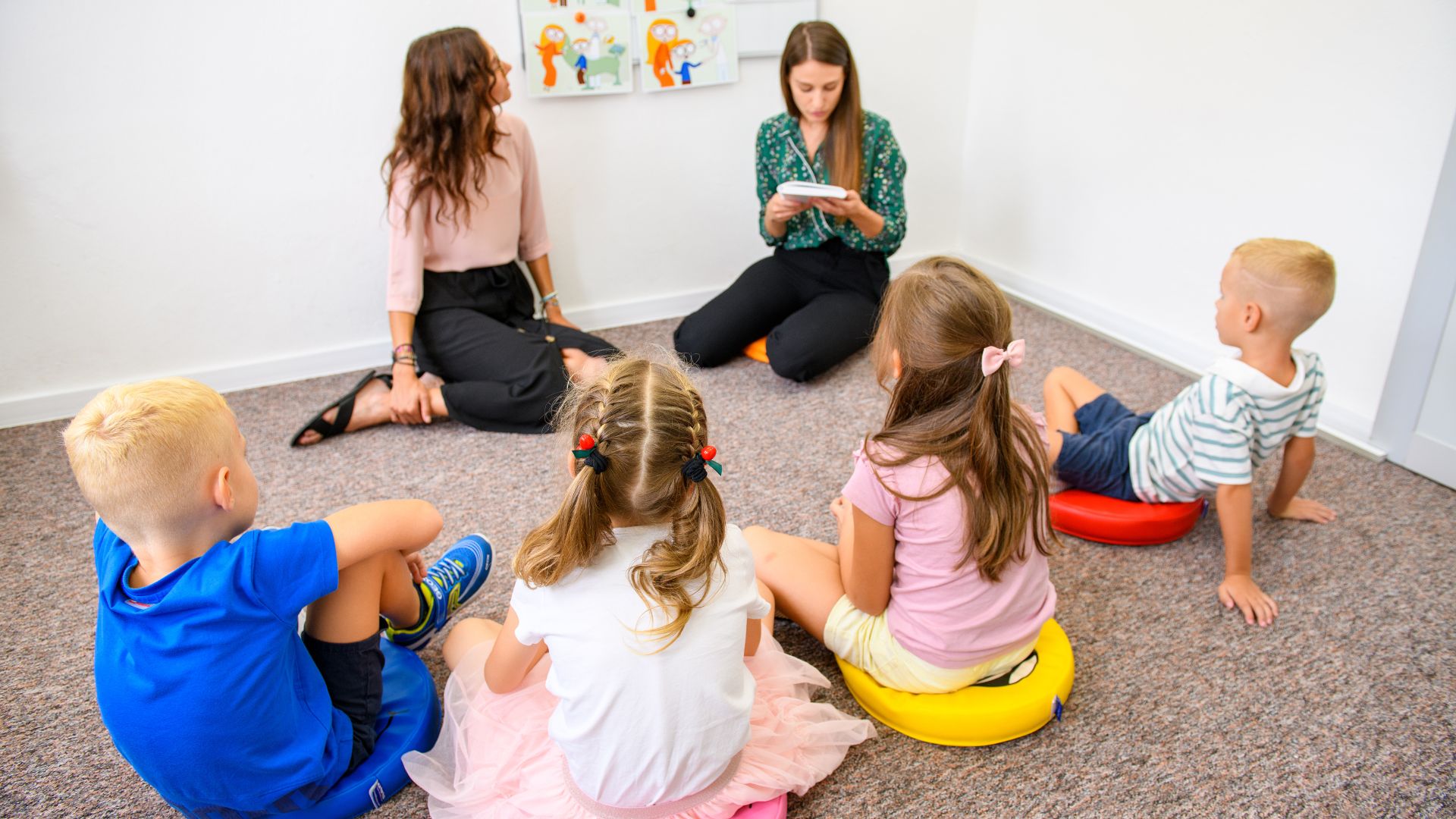
Social and emotional coping therapy helps children in Ventura County learn how to understand their feelings, manage emotional responses, and navigate social situations with greater confidence. Many children struggle with frustration, anxiety, emotional outbursts, or difficulty connecting with peers, especially when developmental differences, sensory challenges, or changes in routine are present. At Therapy Clubhouse, our social and emotional coping therapy services are designed to support children as they build resilience, emotional awareness, and practical coping skills that translate into everyday life at home, school, and in the community.
Through pediatric occupational therapy, children learn how their bodies, emotions, and environments interact. Our therapists focus on helping children recognize emotional triggers, regulate reactions, and develop healthy responses to stress and social demands. By using play-based and evidence-driven approaches, Therapy Clubhouse creates a supportive setting where children feel safe practicing emotional regulation and social problem-solving at their own pace. Families across Ventura County turn to this type of therapy when they want their child to feel more confident, adaptable, and emotionally secure.
If you are concerned about your child’s emotional regulation or social coping skills, early support can make a meaningful difference. Call Therapy Clubhouse at (805) 624-3301 to speak with our team and learn how Ventura County social and emotional coping therapy can support your child’s growth and well-being.
Social and emotional coping therapy plays a critical role in helping children throughout Ventura County understand their emotions, respond to stress, and build healthy relationships with others. Many children experience big emotions that they do not yet have the skills to manage, which can affect behavior, learning, and social participation. Through pediatric occupational therapy, social and emotional coping therapy focuses on giving children practical tools they can use across daily environments, including home, school, and community settings.
At Therapy Clubhouse, this form of therapy supports emotional growth by combining evidence-based strategies with play-driven engagement. Children learn coping skills in ways that feel natural and safe, allowing them to practice emotional regulation without pressure. Over time, these skills help children feel more confident navigating challenges, transitions, and social interactions across Ventura County communities.
Social and emotional coping skills form the foundation of how children understand themselves and relate to others. These skills influence how children manage frustration, communicate feelings, adapt to change, and respond to social expectations. When children develop strong coping abilities early, they are better prepared to handle challenges as they grow.
In occupational therapy, therapists intentionally build these skills through structured activities that mirror real-life situations. Therapy Clubhouse focuses on helping children connect emotional awareness with physical responses, giving them tools to pause, reflect, and choose appropriate reactions rather than becoming overwhelmed.
Emotional regulation refers to a child’s ability to recognize emotions and respond in a balanced and controlled way. Many young children experience intense emotions without knowing how to calm themselves, which can lead to meltdowns or withdrawal. Social and emotional coping therapy helps children identify feelings and practice calming strategies that support regulation.
Therapists at Therapy Clubhouse work with children to develop emotional regulation skills using movement, sensory input, and play. These strategies allow children in Ventura County to practice calming techniques in a supportive environment before applying them independently in daily routines.
Understanding emotional triggers is an important step in emotional regulation. Children often react strongly to specific situations such as transitions, noise, frustration with tasks, or social conflict. Therapy helps children become more aware of what causes emotional reactions so they can prepare and respond more effectively.
Through guided activities, therapists help children recognize patterns in their emotional responses at home and school. This awareness allows families and educators to support children consistently, reinforcing coping strategies across environments throughout Ventura County.
Social coping skills help children navigate friendships, group activities, and shared spaces. Children who struggle with these skills may experience conflict, isolation, or difficulty understanding social expectations. Social and emotional coping therapy focuses on teaching children how to manage emotions during social interactions.
At Therapy Clubhouse, therapists use play-based scenarios to help children practice turn-taking, problem-solving, and emotional communication. These experiences help children feel more comfortable engaging with peers and participating in group settings.
Friendships require flexibility, communication, and emotional awareness. Many children need direct support in learning how to manage disappointment, compromise, and social boundaries. Therapy provides a safe space for children to practice these skills with guidance and encouragement.
By building confidence and emotional understanding, children learn how to engage positively with peers in classrooms, playgrounds, and community activities across Ventura County.
Emotional coping challenges often emerge during early childhood as children encounter new demands and expectations. Developmental changes, sensory differences, and communication delays can make emotional regulation more difficult. Without support, these challenges may intensify as children grow.
Social and emotional coping therapy helps address these difficulties early by teaching children skills that align with their developmental stage. Therapy Clubhouse focuses on identifying underlying factors that influence emotional responses and tailoring interventions to meet each child’s needs.
Developmental delays can affect how children interpret emotions and respond to stress. Children may struggle with understanding feelings, expressing needs, or managing frustration when skills develop at a different pace. These challenges can influence behavior and social participation.
Occupational therapy supports emotional processing by strengthening foundational skills related to attention, self-awareness, and regulation. This approach helps children build emotional coping strategies that align with their developmental abilities.
Sensory processing differences can significantly affect emotional regulation. Children who are sensitive to noise, movement, or touch may become overwhelmed more easily, leading to emotional reactions that appear sudden or intense. Understanding this connection is essential for effective coping support.
Therapy Clubhouse integrates sensory-based strategies to help children manage emotional overload. By addressing sensory needs alongside emotional development, children learn how to stay regulated in stimulating environments.
Sensory input plays a direct role in how children experience and respond to their surroundings. Overstimulation or understimulation can increase emotional stress, making coping more difficult. Therapy helps children recognize sensory needs and use appropriate strategies to stay balanced.
Through consistent practice, children develop the ability to manage sensory input more effectively, supporting emotional stability across daily activities in Ventura County.
Many parents notice early signs that their child struggles with emotions or social situations but feel unsure whether therapy could help. Emotional coping challenges can appear in different ways depending on a child’s age, temperament, and environment. Recognizing these signs early allows families in Ventura County to seek support before emotional difficulties begin to interfere with learning, relationships, or daily routines.
At Therapy Clubhouse, we help families understand when emotional and social behaviors signal a need for additional support. Social and emotional coping therapy focuses on identifying patterns, strengthening regulation skills, and providing children with tools that help them feel more secure and confident across settings.
Emotional regulation challenges often show up as intense reactions that seem difficult for a child to control. These behaviors are not intentional but instead reflect a child’s limited ability to process and respond to emotions effectively. When these challenges persist, therapy can help children build skills that support emotional balance.
Occupational therapy addresses emotional regulation by helping children understand their feelings and practice calming strategies. Therapy Clubhouse focuses on teaching skills that children can use independently, empowering them to manage emotions more successfully.
Children who experience frequent emotional outbursts may struggle to calm themselves once upset. Tantrums, crying episodes, or shutdowns can occur during transitions, tasks that feel challenging, or moments of frustration. These reactions often indicate difficulty regulating emotional responses.
Social and emotional coping therapy helps children learn techniques that support calming and recovery. Through guided practice, children develop strategies that reduce the intensity and duration of emotional reactions over time.
Transitions and unfamiliar situations can trigger anxiety in many children. Difficulty moving between activities, starting school, or adjusting to changes in routine may lead to emotional distress or avoidance behaviors. These responses often reflect challenges with emotional flexibility.
Therapy Clubhouse supports children by teaching coping strategies that prepare them for transitions. By practicing these skills in therapy, children feel more confident handling change across home and school environments.
Changes in routine can feel overwhelming for children who rely on predictability. Unexpected events or schedule shifts may lead to emotional reactions such as frustration or withdrawal. Therapy helps children build tolerance for change in a structured and supportive way.
By gradually introducing flexibility through therapy activities, children learn how to adapt while maintaining emotional regulation. This skill supports smoother transitions throughout daily life in Ventura County.
Social interaction difficulties can affect how children connect with peers and participate in group activities. Children may want social connections but struggle to manage emotions during interactions, leading to conflict or isolation. Social and emotional coping therapy addresses these challenges by teaching emotional awareness within social contexts.
Therapy Clubhouse creates opportunities for children to practice social engagement in a safe and encouraging environment. These experiences help children build confidence and emotional resilience during peer interactions.
Some children avoid social situations due to anxiety, fear of conflict, or difficulty managing emotions. Avoidance can limit opportunities for social learning and peer relationships. Therapy helps children feel more comfortable engaging with others by addressing emotional barriers.
Through play-based therapy, children gradually build confidence participating in group activities. This approach supports positive social experiences that strengthen emotional coping skills.
Understanding social cues such as facial expressions, tone of voice, and body language plays an important role in emotional coping. Children who struggle with these skills may misinterpret interactions, leading to frustration or emotional distress.
Occupational therapy supports children in developing social awareness by practicing emotional recognition in real time. Therapy Clubhouse focuses on helping children understand both their own emotions and the emotions of others.
Facial expressions and tone provide important emotional information during interactions. Children who have difficulty interpreting these cues may respond in ways that do not match the situation. Therapy helps children recognize these signals and adjust responses appropriately.
With consistent support, children learn to interpret emotional cues more accurately, improving communication and social confidence across Ventura County settings.
Pediatric occupational therapy plays a vital role in helping children develop emotional coping skills that support daily functioning. Emotional regulation, self-awareness, and adaptability are closely connected to how children process sensory input and interact with their environments. In Ventura County, occupational therapy provides children with structured opportunities to build these skills in meaningful and practical ways.
At Therapy Clubhouse, occupational therapy addresses emotional coping by focusing on the whole child. Therapists design sessions that strengthen emotional understanding while supporting motor, sensory, and cognitive development. This integrated approach helps children apply coping strategies naturally throughout everyday routines.
Occupational therapy supports emotional development by helping children understand the connection between emotions, behaviors, and physical responses. Children learn how their bodies respond to stress and how to use intentional strategies to regulate emotions. This awareness empowers children to respond thoughtfully rather than react impulsively.
Therapy Clubhouse emphasizes emotional development through play-based and goal-driven activities. These sessions help children practice emotional coping skills in a safe environment where learning feels engaging and achievable.
Structured play allows children to explore emotions in a natural and supportive setting. Through guided activities, children learn to label feelings, recognize body signals, and express emotions appropriately. Play-based therapy creates opportunities for children to practice coping strategies without pressure.
Occupational therapists at Therapy Clubhouse use play to encourage emotional exploration and growth. This approach supports children in developing self-awareness and confidence while strengthening emotional regulation skills.
Self-regulation skills become most effective when practiced in situations that reflect everyday life. Occupational therapy introduces coping strategies within tasks children encounter at home, school, and in the community. This practical approach supports skill transfer beyond therapy sessions.
Therapy Clubhouse focuses on helping children apply emotional regulation techniques during common challenges such as transitions, problem-solving, and social interactions. Practicing these skills in context builds independence and confidence.
Coping strategies are most helpful when children know how to use them during real-life moments of stress. Occupational therapy helps children practice techniques such as breathing, movement, or sensory breaks within familiar activities. This repetition reinforces learning and promotes consistency.
By integrating coping strategies into daily routines, children develop habits that support emotional stability. Families across Ventura County benefit from this approach as children apply skills naturally throughout their day.
Occupational therapy offers a unique approach to emotional coping by addressing underlying factors that influence behavior. Sensory processing, motor planning, and attention all play a role in emotional regulation. By supporting these areas, occupational therapy strengthens a child’s ability to manage emotions effectively.
At Therapy Clubhouse, therapists tailor interventions to each child’s specific needs. This individualized care helps children build resilience and emotional control over time.
Sensory and emotional systems work together to shape how children experience their environment. When sensory processing challenges affect emotional responses, therapy helps children find balance. Occupational therapy integrates sensory strategies with emotional learning to support regulation.
Therapy Clubhouse focuses on aligning sensory input with emotional coping techniques. This integration allows children to feel more grounded and capable of managing stress in various environments.
Emotional resilience develops through consistent practice and supportive guidance. Occupational therapy helps children gradually build tolerance for frustration and change. Over time, children learn how to recover from challenges and approach situations with confidence.
Therapy Clubhouse emphasizes long-term emotional growth by reinforcing coping strategies across sessions. This steady approach helps children develop lasting skills that support independence.
Confidence grows as children experience success in managing emotions on their own. Occupational therapy encourages independence by teaching children how to recognize needs and choose appropriate coping strategies. This empowerment supports emotional well-being beyond therapy.
Families in Ventura County value this focus on long-term independence, as children gain skills that support emotional health throughout development.
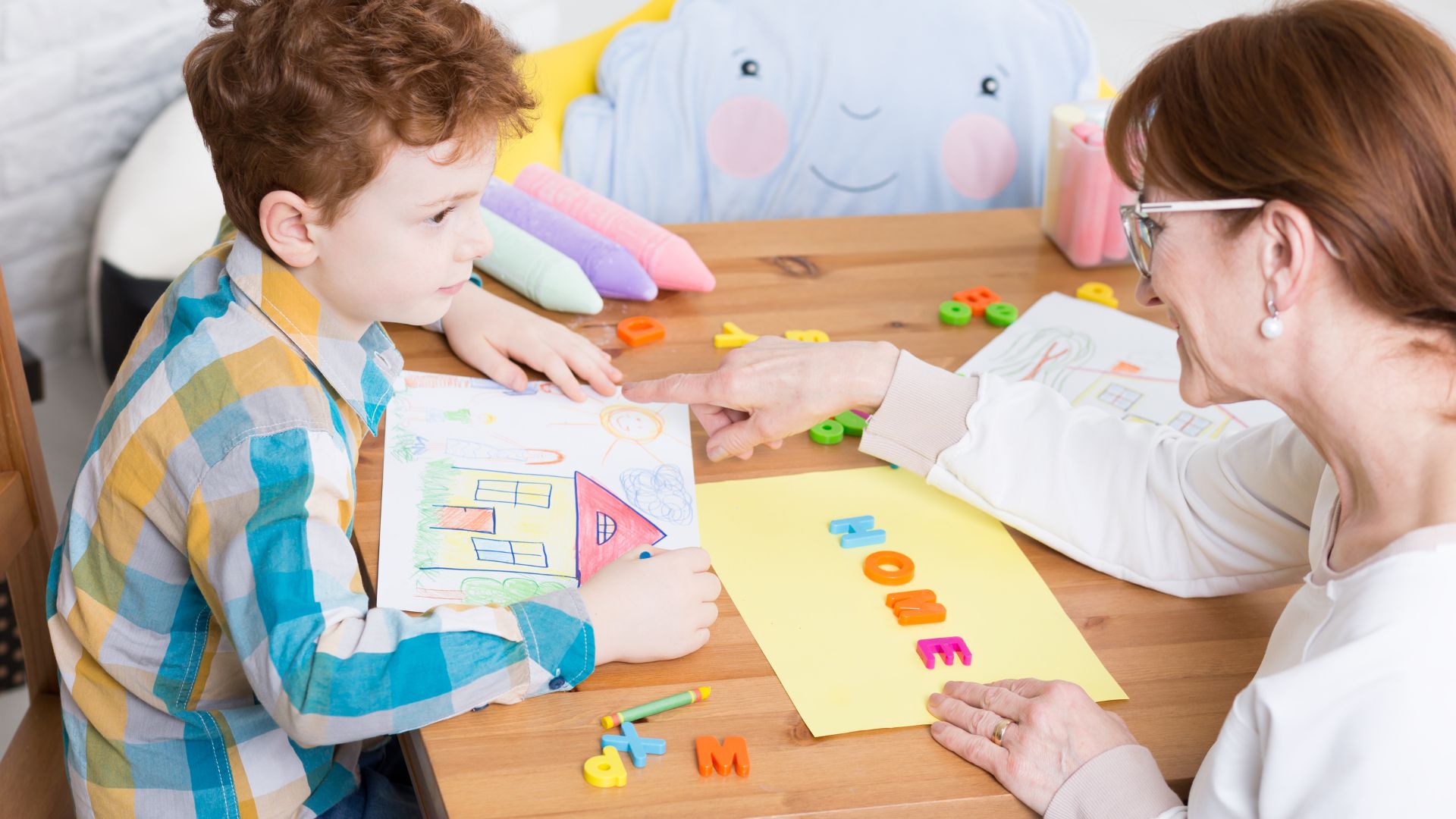
When a child struggles with emotional regulation or social coping, the impact can affect the entire family. Early and consistent support helps children build the confidence, resilience, and emotional awareness they need to thrive at home, at school, and in social settings. Social and emotional coping therapy gives children practical tools to manage feelings, adapt to challenges, and form meaningful connections with others.
Therapy Clubhouse provides pediatric occupational therapy services in Ventura County that focus on emotional growth through compassionate, evidence-based care. Our therapists take the time to understand each child’s unique needs while partnering closely with parents to support progress beyond therapy sessions. Every child deserves a safe space where emotional development feels encouraging rather than overwhelming.
If you are ready to help your child strengthen emotional coping skills and social confidence, reach out to Therapy Clubhouse today. Call (805) 624-3301 to schedule a consultation and learn how our Ventura County social and emotional coping therapy services can support your child’s journey toward greater independence and well-being.