
Speech therapy gives parents a clearer way to understand what their child can do now and what skills may need support. Children develop at different rates, but parents usually know when something feels harder than expected. That concern deserves attention, especially when communication, movement, sensory needs, or daily routines start affecting the child’s comfort and participation.
At Therapy Clubhouse, speech therapy starts with careful listening. Parents can describe what they see at home, during daycare pickup, at preschool, during daily routines, or while trying to get through bedtime. Those details matter because children often show their challenges in small everyday moments before those challenges become bigger problems.
A speech therapist may look at how a child understands language, uses words, makes sounds, answers questions, follows directions, or communicates during play. An occupational therapist may look at how a child uses their hands, processes sensory input, moves through routines, regulates their body, and handles self-care tasks. Together, these services help Agoura Hills families move from worry to a clearer plan.
Speech and Occupational Therapy in Agoura Hills
Speech and Occupational Therapy in Agoura Hills
If you are searching for
Speech and Occupational Therapy
in Agoura Hills, you may already see your child struggling with communication, sensory needs, motor skills, or daily routines. Maybe your toddler is not using as many words as expected. Maybe your child melts down during transitions, avoids certain textures, has trouble holding crayons, or needs more support with dressing, play, or school readiness. These concerns can feel personal fast because they affect ordinary family moments. Therapy Clubhouse helps children build practical skills through speech therapy and occupational therapy designed for real life.
Therapy Clubhouse provides speech therapy care for children from birth through age 18. Our team supports families near Agoura Hills through speech therapy, occupational therapy, Early Start services via in-home therapy, telehealth, and appointments in our upcoming Westlake Village clinic, opening Fall 2026. If you have questions about whether your child may benefit from therapy, call Therapy Clubhouse at
(805) 624-3301
to talk with our team about next steps.
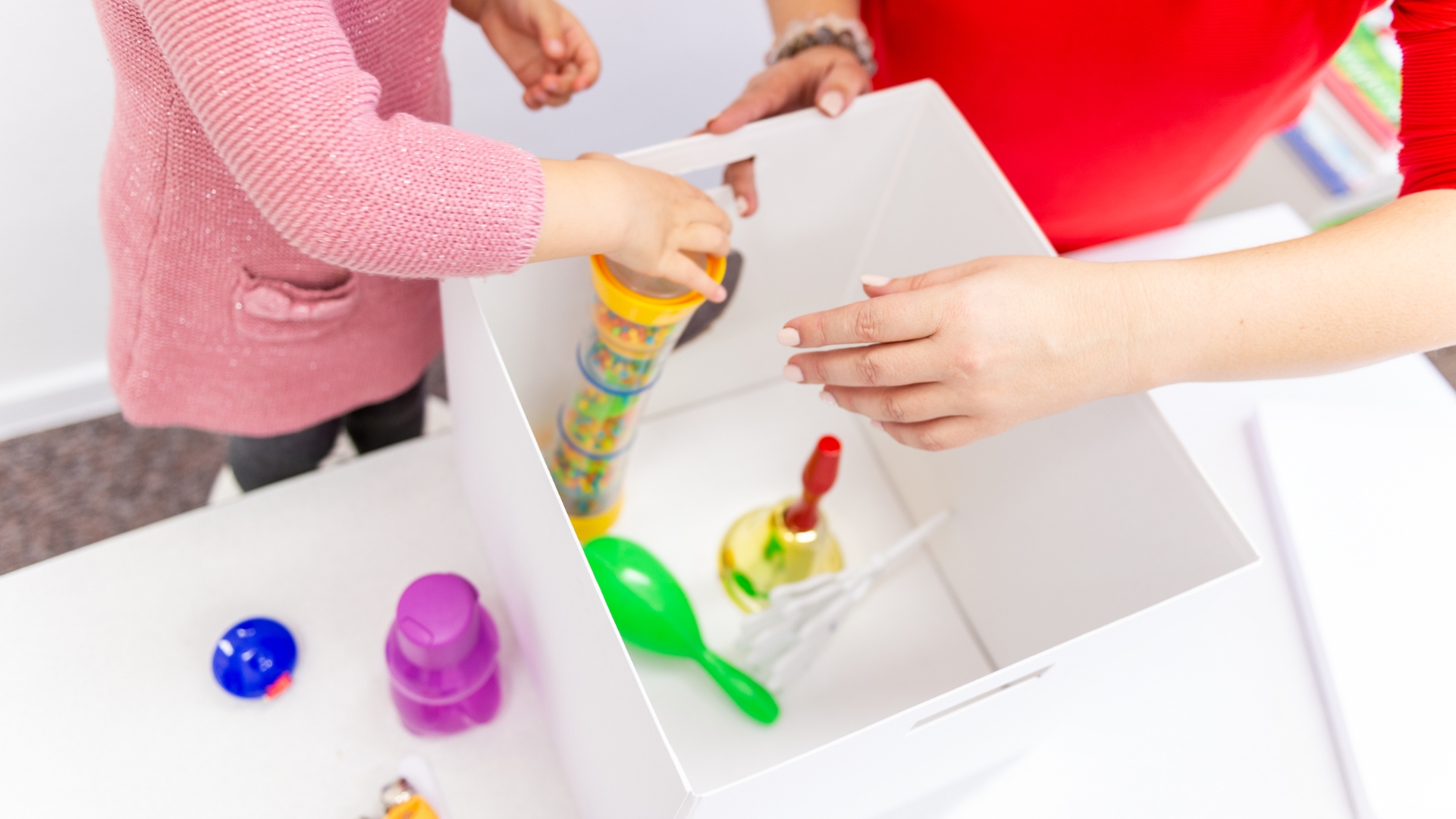
Agoura Hills Speech and Occupational Therapy for Kids Who Need Support With Communication and Daily Skills
Speech and occupational therapy in Agoura Hills should feel clear, practical, and connected to your child’s real day. Parents are not searching for complicated clinical explanations when their child is struggling. They want to know what is happening, what can help, and whether the right support is close enough to fit into family life.
Therapy Clubhouse
helps children build the skills they need to communicate, move through routines, join play, handle sensory demands, and participate with more confidence. Some children need speech therapy because words, sounds, language, or social communication feel hard. Other children need occupational therapy because dressing, handwriting, body awareness, transitions, or sensory processing disrupt daily life. Many children benefit from both services because communication and daily skills often overlap in real moments.
Parents in Agoura Hills often notice concerns during ordinary routines. A toddler may scream instead of asking for help. A preschooler may avoid messy play, refuse certain clothes, or struggle to sit for group time. A school-age child may have trouble explaining ideas, writing clearly, following directions, or staying regulated during busy parts of the day. Therapy Clubhouse looks at those patterns and turns them into practical goals that make sense for the child and the family.
Speech therapy and occupational therapy often work well together because children do not experience development in separate boxes. A child who cannot explain what they need may become frustrated during dressing, daily routines, or play. A child who feels overwhelmed by sensory input may have a harder time listening, responding, or using language in a busy room.
Therapy Clubhouse helps parents understand when one service may be enough and when both services may support the child better. Speech therapy can help a child build communication skills, while occupational therapy can help the child manage the body, senses, and routines that shape daily participation. When these areas improve together, families often see progress show up in more useful ways.
For example, a child may work on asking for help during play while also learning how to tolerate new textures or stay regulated during transitions. Another child may practice clearer speech while also improving posture, hand strength, and attention for school tasks. These combined goals help therapy feel less abstract and more connected to what parents actually need at home and in the community.
Communication challenges can affect nearly every part of a child’s day. A child may struggle to ask for texture, protest safely, answer simple questions, follow directions, or tell a parent what hurts. When those skills feel hard, daily routines can quickly become stressful for both the child and the family.
Speech therapy at Therapy Clubhouse helps children build communication in ways that fit real routines. A therapist may help a toddler use words, gestures, sounds, signs, or other communication tools during play and daily interactions. For older children, therapy may focus on clearer speech, stronger sentences, better understanding, conversation skills, or more confident communication at school and home.
Parents near Agoura Hills often want help that carries over beyond the therapy session. That is the right instinct. A child needs support during breakfast, getting dressed, leaving the house, playing with siblings, and winding down at night. Therapy Clubhouse helps families use simple strategies in those moments, so progress is more likely to show up where it matters.
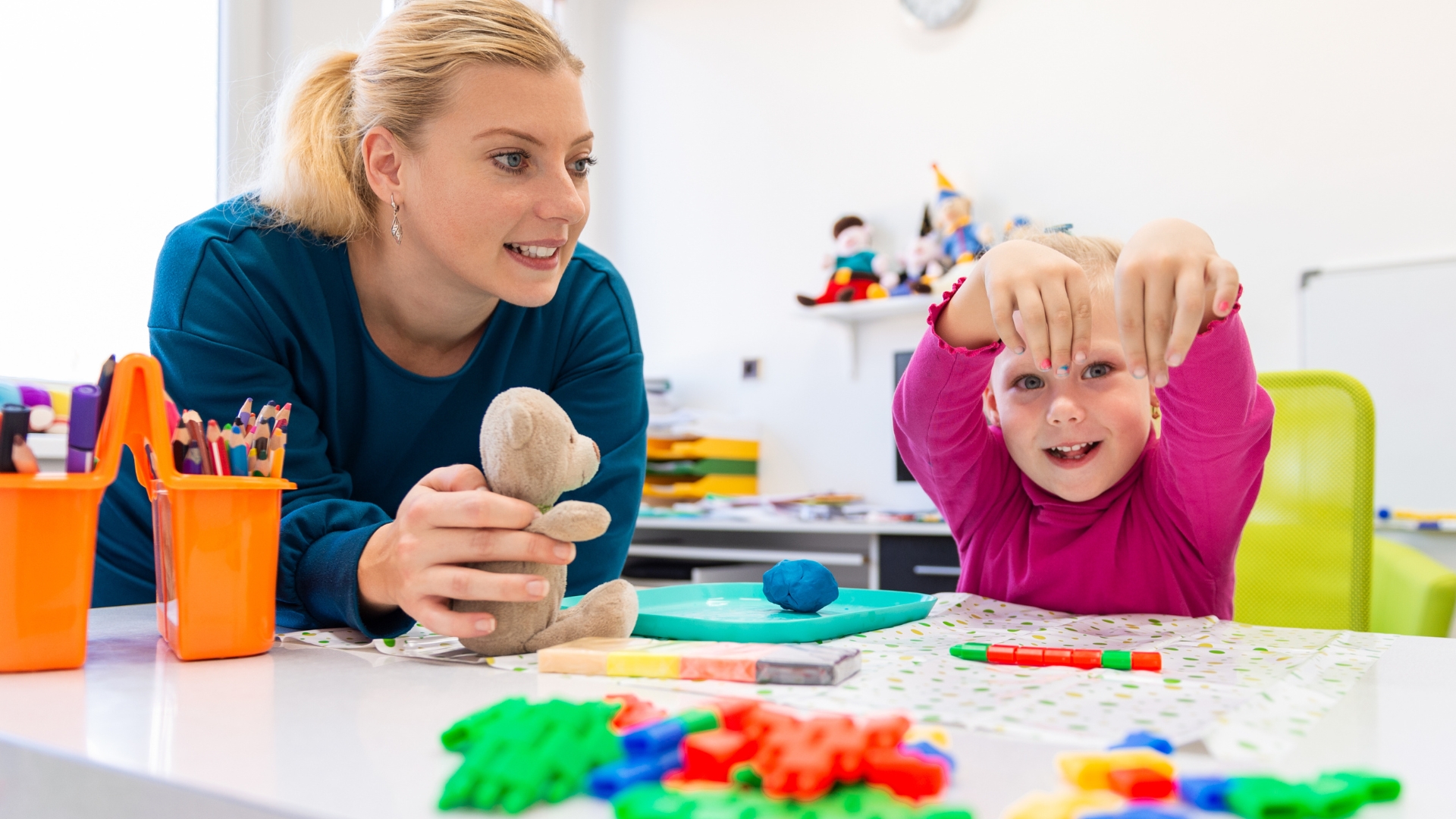
Support for Children Who Need Help With Sensory Motor and Self Care Skills
Occupational therapy helps children participate in daily life when sensory, motor, coordination, or self-care challenges get in the way. A child may avoid toothbrushing, struggle with clothing textures, dislike messy play, have trouble using tools, or become overwhelmed by noise and movement. These concerns can make ordinary routines feel exhausting. Therapy Clubhouse works with children on practical skills that support independence, comfort, and participation. Occupational therapy may address fine motor strength, hand coordination, sensory regulation, body awareness, dressing skills, handwriting readiness, or play skills. The goal is not to make every child fit one exact mold. The goal is to help each child function better in the routines their family lives every day. For Agoura Hills families, this type of support can make the day feel less reactive. Parents can learn why a child resists certain tasks and how to make those tasks more manageable. Children can build confidence as they practice skills in a supportive way that respects their needs.When a Child May Benefit From Both Speech Therapy and Occupational Therapy
A child may benefit from both speech therapy and occupational therapy when communication challenges and daily skill challenges feed into each other. For example, a child who cannot explain discomfort may melt down during grooming, dressing, or daily routines. A child with sensory overload may have trouble listening, taking turns, or using language during play. Therapy Clubhouse looks at the full picture instead of treating one concern in isolation. If a child struggles to communicate and also has trouble with sensory regulation, motor planning, fine motor skills, or self-care, both services may help the child make steadier progress. This approach can give parents a clearer plan because the therapy goals match the way the child actually moves through the day. Parents do not need to know which service their child needs before reaching out. Many families start with a concern, not a diagnosis or a perfect description. Therapy Clubhouse can help you sort through what you are seeing and decide whether speech therapy, occupational therapy, or both services may be the right next step. Our Services
Therapy Clubhouse serves families in Westlake Village and nearby Southern California communities through pediatric speech therapy, occupational therapy, Early Intervention support, in-home therapy, telehealth, and clinic-based care.

Speech Sound Mastery
Help your child produce sounds clearly and confidently through play-based therapy techniques.
Explore Speech Sound Mastery

Language Development
Build vocabulary, sentence structure, and comprehension skills through interactive learning.
Explore Language Development
Early Intervention
Specialized support for toddlers showing early signs of speech delays or difficulties.
Explore Early Intervention
Social Communication
Develop conversation skills, turn-taking, and social play in a warm environment.
Explore Social Communication
Fluency Therapy
Support for smoother communication, stuttering, and related confidence skills.
Explore Fluency TherapyDaily Living Skills
Support independence with routines, self-care, regulation, and age-appropriate participation goals.
Explore Daily Living Skills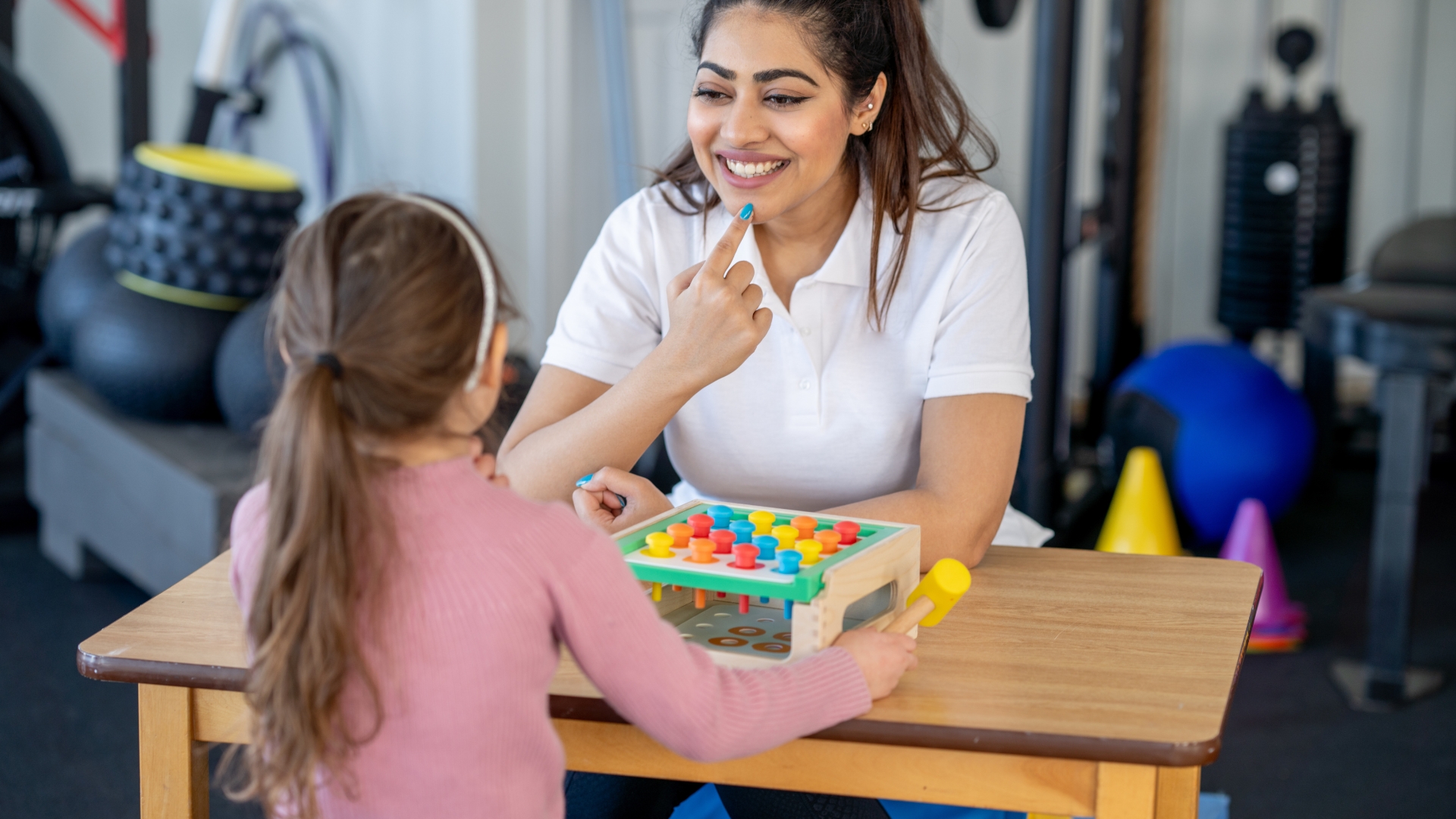
Speech Therapy in Agoura Hills for Toddlers, Children, and Teens
Speech therapy in Agoura Hills helps children build communication skills they can use at home, at school, during play, and throughout daily routines. Parents often notice speech or language concerns long before they know what to call them. A child may use fewer words than expected, speak in short phrases, become frustrated when others do not understand them, or avoid communication when a situation feels hard.
Therapy Clubhouse helps families understand what may be affecting a child’s communication and what type of support can help. Some children need help producing speech sounds. Some need help understanding language. Others need support using words, gestures, sentences, or conversation skills more clearly. The goal is simple. Help your child communicate in ways that make daily life easier, calmer, and more connected.
Speech therapy can support toddlers, preschoolers, school-age children, and teens. The right goals depend on the child’s age, current skills, family concerns, and daily communication needs. For Agoura Hills families, Therapy Clubhouse offers speech therapy that looks at the whole child, not only isolated words or sounds.
Parents often start searching for speech therapy when their toddler is not talking as much as expected. Maybe your child uses sounds but not many words. Maybe they pull you toward what they want instead of asking. Maybe they become upset because they know what they want but cannot communicate it clearly. That frustration can take over daily routines, playtime, errands, and bedtime fast.
Therapy Clubhouse helps toddlers build early communication skills through play-based, family-centered speech therapy. A toddler may work on imitation, gestures, sounds, early words, simple phrases, joint attention, and turn-taking. These skills create the foundation for stronger communication as the child grows.
Toddler speech therapy should feel practical for parents. You should understand what your child is working on and how to support those skills between sessions. Therapy Clubhouse helps Agoura Hills families use simple strategies during daily routines, so speech practice does not feel forced or separate from normal life.
Language therapy helps children who struggle to understand words, follow directions, answer questions, use sentences, or share ideas clearly. These challenges can show up in different ways. A child may seem like they are not listening, but they may actually have trouble processing language. Another child may understand what others say but struggle to find the words to respond.
Therapy Clubhouse looks at both sides of language because children need to understand and express themselves throughout the day. A child may need support with vocabulary, sentence structure, grammar, sequencing, answering questions, or explaining what happened. These skills matter during play, classroom routines, family conversations, and social interactions.
Parents near Agoura Hills often notice language concerns when their child starts preschool or school. Group directions, story time, peer play, and classroom expectations can reveal gaps that were less obvious at home. Speech therapy can help children build stronger language skills in a way that connects directly to the settings where they need those skills most.
Receptive language refers to how a child understands what others say. A child with receptive language challenges may struggle to follow directions, answer questions, understand routines, or keep up with conversations. Parents may repeat the same instruction several times and still feel like the message does not land.
Therapy Clubhouse helps children strengthen understanding through clear, targeted activities. A therapist may work on following one-step or multi-step directions, understanding basic concepts, identifying objects or actions, answering what and where questions, or processing longer sentences. These skills can help a child participate more successfully at home and school.
This support can make everyday routines feel less chaotic. When a child better understands what comes next, transitions can become smoother. When they understand directions more clearly, they can participate with less frustration and more confidence.
Expressive Language Support for Children Who Have Trouble Sharing Needs and Ideas
Expressive language refers to how a child uses words, gestures, signs, sentences, or other communication tools to share thoughts. A child with expressive language challenges may point, cry, use single words, repeat phrases, or avoid answering questions. Some children know exactly what they want to say but cannot organize the words quickly enough. Therapy Clubhouse helps children build expressive language in ways that match their current skills. For younger children, this may mean increasing sounds, words, gestures, or short phrases. For older children, this may mean expanding sentence length, improving grammar, telling stories, describing events, or explaining ideas more clearly. Parents often feel relief when they see their child communicate more successfully. Even small gains can change the mood of a routine. A child who can ask for help, reject something safely, or explain a need has more control over their day.How Parent Coaching Helps Speech Therapy Carry Over at Home
Parent coaching helps speech therapy progress move beyond the session. Children practice communication all day, whether they are engaging breakfast, riding in the car, playing with siblings, choosing clothes, or asking for help. Parents do not need a complicated plan. They need clear, realistic strategies they can use during moments that already happen. Therapy Clubhouse helps parents understand how to support communication without pressure or overwhelm. A therapist may show parents how to model words, pause for responses, expand what the child says, create communication opportunities, or respond to frustration in a more supportive way. These small changes can make home routines more useful for language growth. For Agoura Hills families balancing school, work, siblings, and daily commitments, parent coaching matters. It helps families keep therapy connected to real life. It also gives parents more confidence because they know how to help their child practice in natural ways.
Articulation therapy helps children who have trouble producing speech sounds clearly. A child may leave off sounds, substitute one sound for another, or speak in a way that makes unfamiliar listeners struggle to understand them. Parents may understand most of what their child says, while teachers, relatives, or peers miss the message.
Therapy Clubhouse helps children work on speech sound production through structured practice and supportive feedback. The therapist may target specific sounds, sound patterns, mouth movements, listening skills, and carryover into words, phrases, sentences, and conversation. The process usually starts with careful attention to which sounds affect clarity most.
Clearer speech can change how a child participates. A child who feels understood may speak more often, join play more easily, answer questions with less hesitation, and show more personality during conversations. Speech clarity is not only about pronunciation. It affects connection, confidence, and participation.
Social communication support helps children who struggle with the back-and-forth parts of interaction. A child may have trouble taking turns, joining play, using language with peers, reading social cues, asking questions, staying on topic, or adjusting communication for different people. These skills can affect friendships, classroom participation, and family routines.Therapy Clubhouse supports social communication through practical, child-centered therapy. For younger children, this may involve play routines, turn-taking, imitation, shared attention, and simple peer interaction skills. For older children and teens, therapy may address conversation, perspective-taking, problem-solving, flexible language, and communication during school or community activities.Parents near Agoura Hills may notice social communication concerns during playdates, preschool pickup, birthday parties, playground time, or classroom updates. Therapy can help children build stronger interaction skills in ways that respect their personality and needs. The goal is not to change who the child is. The goal is to help the child communicate more effectively and participate with more comfort.
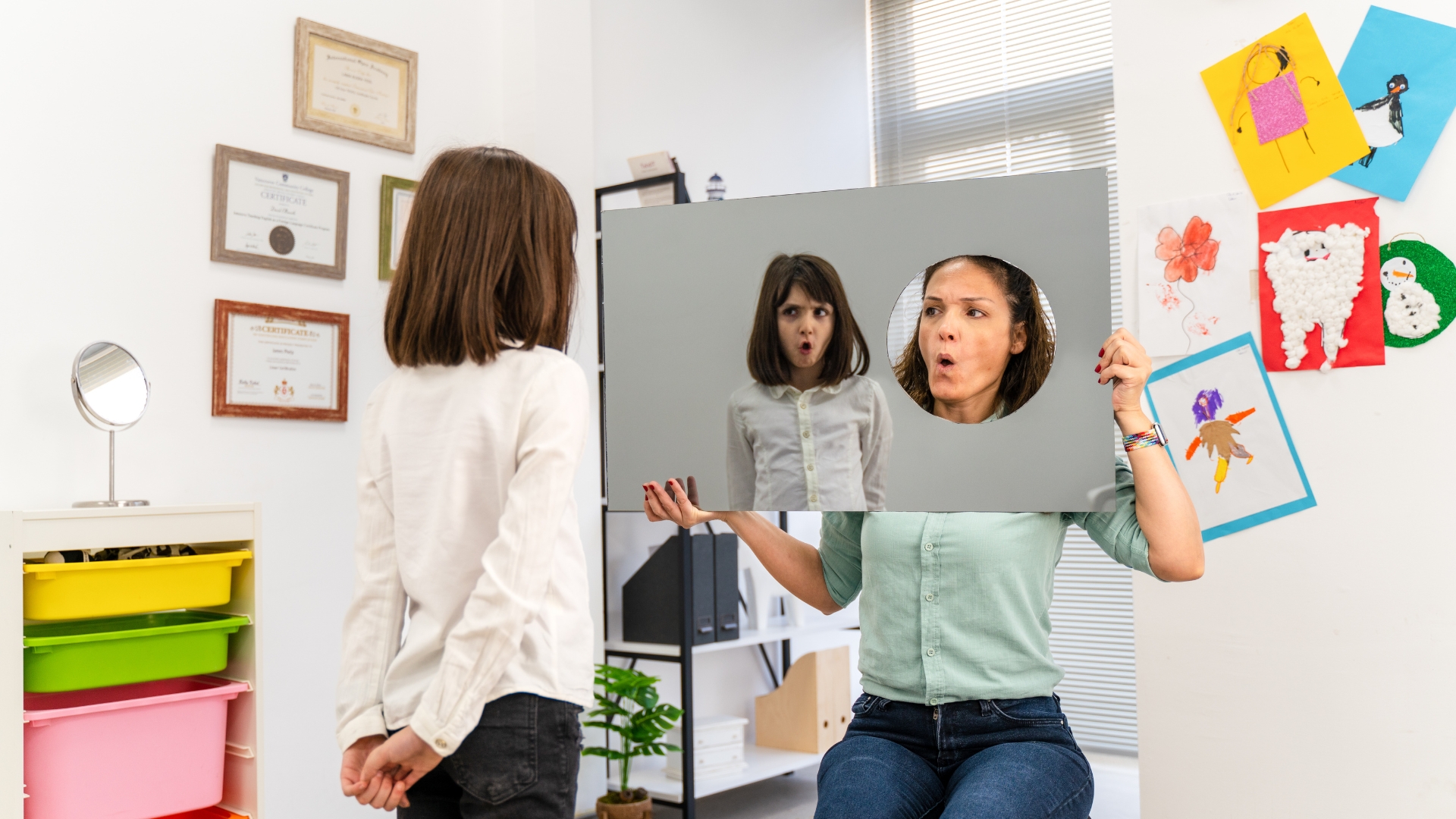
Occupational Therapy in Agoura Hills for Sensory Motor and Daily Living Skills
Occupational therapy in Agoura Hills can help when ordinary tasks keep turning into daily battles. A child may fight socks every morning, avoid crayons, crash into furniture, pull away at certain textures, melt down during hair brushing, or struggle to sit long enough for preschool activities.
Therapy Clubhouse looks at what sits underneath those moments. Some children need help with sensory regulation. Others need stronger hands, better coordination, improved body awareness, or more support with self-care routines. OT gives families a plan that feels usable, not vague.
Sensory processing affects how a child handles sound, touch, movement, taste, smell, light, and body position. For some children, a shirt tag can feel unbearable. A loud hand dryer can ruin a whole outing. A crowded birthday party can push their body into overload before the cake even shows up.
Other children seek more input. They jump from furniture, spin, climb, bump into people, chew on objects, or seem unable to slow their bodies down. Occupational therapy helps parents understand these patterns so the response becomes more strategic and less reactive.
A child who covers their ears, refuses clothes, avoids playground equipment, or panics during transitions may need sensory support. These reactions can look behavioral from the outside, but many of them start with the nervous system trying to manage input.
Therapy Clubhouse helps children build tolerance, regulation, and coping skills through guided activities. The work may include movement, deep pressure, tactile play, visual routines, or changes to the child’s environment. The goal is to help the child handle more of the day without feeling constantly pushed past their limit.
Regulation Strategies That Help Children Participate in Daily Routines
Regulation affects almost everything. A child who cannot regulate their body may struggle to listen, play, transition, answer questions, or calm down after frustration. Parents may see tears, refusal, running away, silliness, aggression, or complete shutdown. Occupational therapy gives families tools for these moments. A therapist may help identify what the child needs before a hard routine, what helps during stress, and what helps after a meltdown. When parents understand the pattern, they can stop guessing and start responding with more confidence.How Occupational Therapy Turns Everyday Challenges Into Practical Goals
A strong OT goal should connect to something the child actually does. That may mean putting on shoes, tolerating toothbrushing, holding a marker, trying a new texture, sitting for circle time, or moving safely through a playground. Therapy Clubhouse turns parent concerns into goals that make sense. If mornings fall apart during dressing, therapy may focus on sensory tolerance, sequencing, balance, and hand use. If school tasks feel impossible, therapy may look at posture, grasp, attention, and visual motor skills.
Fine motor delays can show up in small but frustrating ways. A child may avoid puzzles, struggle with tools, drop small toys, press too hard with a pencil, refuse coloring, or need help with buttons and zippers longer than expected.
Therapy Clubhouse works on the hand skills children need for play, school, and independence. OT may target finger strength, grasp patterns, hand coordination, bilateral coordination, scissor skills, and visual motor control. The work should feel active and purposeful, not like a stack of worksheets.
Dressing, play, and school readiness require more skills than most people realize. A child needs balance, strength, coordination, sensory tolerance, attention, planning, and emotional regulation. When one piece is weak, the whole task can fall apart.Therapy Clubhouse helps families break the task down instead of blaming the child. A child who avoids dressing may struggle with textures or sequencing. A child who resists preschool tasks may need help with fine motor control, sitting tolerance, or transitions.
Self Care Skill Support for Dressing, Grooming, and daily routine Participation
Self-care challenges can drain the whole household. Toothbrushing, hair washing, nail trimming, dressing, toileting routines, and daily routines may take far more energy than parents expect.Occupational therapy can make these routines more manageable. Therapy Clubhouse may work on body awareness, hand use, sensory comfort, motor planning, and step-by-step participation. Progress may start small, but small wins matter when they change the tone of the day.Handwriting and Pre-Writing Support for Preschool and School-Age Children
Handwriting depends on more than pencil grip. Children need core strength, shoulder stability, hand control, visual tracking, spacing awareness, and the stamina to keep going. When those skills are not ready, writing can feel exhausting.Therapy Clubhouse supports children who struggle with coloring, tracing, cutting, copying shapes, forming letters, spacing words, or staying on the line. For younger children, OT may build pre-writing skills through play. For older children, therapy may focus on the physical skills that make classroom work less frustrating.
Early Start and Early Intervention Therapy Near Agoura Hills Through Regional Center Support
Early Start and Early Intervention therapy near Agoura Hills can help families get support during the earliest stages of child development. These services often matter most when parents notice delays with speech, movement, play, sensory responses, or daily routines before age three.
Therapy Clubhouse is a contracted provider with Tri-Counties Regional Center for Early Intervention and Early Start speech therapy and occupational therapy services. That matters for families who need a provider that understands the Regional Center process and knows how to support young children during a critical developmental window.
Early Start speech therapy helps infants and toddlers build the foundation for communication. A child may need support if they do not babble, imitate sounds, use gestures, respond to simple words, point, wave, use first words, or combine words within expected timeframes.
Therapy Clubhouse keeps early speech therapy active, playful, and parent-friendly. A session may focus on sounds, gestures, turn-taking, imitation, joint attention, early words, simple choices, and parent strategies. The goal is to help communication grow during routines your child already knows.
Early Intervention occupational therapy helps young children who struggle with sensory responses, movement, play skills, grasping, coordination, or self-care foundations. These concerns can show up before a child enters preschool, often during ordinary moments at home.
A toddler may avoid textures, resist sitting for daily routines, have trouble using both hands together, dislike grooming, move constantly, or seem unsure how to play with toys. Therapy Clubhouse uses OT to help families understand those patterns and build skills in a way that feels age-appropriate.
After a Regional Center referral, families may go through eligibility steps, service planning, and authorization before therapy begins. That process can feel confusing when parents are already worried about their child. Clear communication helps.
Therapy Clubhouse helps parents understand what therapy may look like once services are authorized. Families can ask questions, share concerns, and learn how speech therapy or occupational therapy may support their child’s IFSP goals.
How Therapy Clubhouse Supports Families After Services Are Authorized
Once services are authorized, Therapy Clubhouse focuses on practical therapy that fits the child’s age and needs. Sessions may happen in the home, through telehealth when appropriate, or through another approved setting based on the child’s care plan. The therapist works with the child and caregiver together. That parent involvement matters because young children learn through repeated moments across the day. A strategy used during activity, bath time, diaper changes, play, or getting dressed can carry more weight than a skill practiced only during one appointment.Why Early Therapy Goals Should Fit Real Family Routines
Early therapy goals should match how the child actually spends the day. A goal that helps a toddler ask for help, tolerate a spoon, imitate a sound, stack blocks, point to a toy, or stay regulated during dressing can change the family’s routine in a real way. Therapy Clubhouse keeps goals connected to daily life. Parents should leave sessions understanding what to practice, when to practice it, and why it matters for their child’s next developmental step.
Tri-Counties Regional Center support can help eligible young children receive speech therapy and occupational therapy during the Early Start years. For Agoura Hills families, this can be an important path when developmental concerns appear early, and parents need services that are organized around the child’s needs.Therapy Clubhouse’s role as a contracted Regional Center provider gives families a clearer bridge between authorization and care. Parents do not have to start from scratch with a provider unfamiliar with Early Start services. They can work with a pediatric therapy team that already understands how early speech and OT support should fit into a young child’s world.
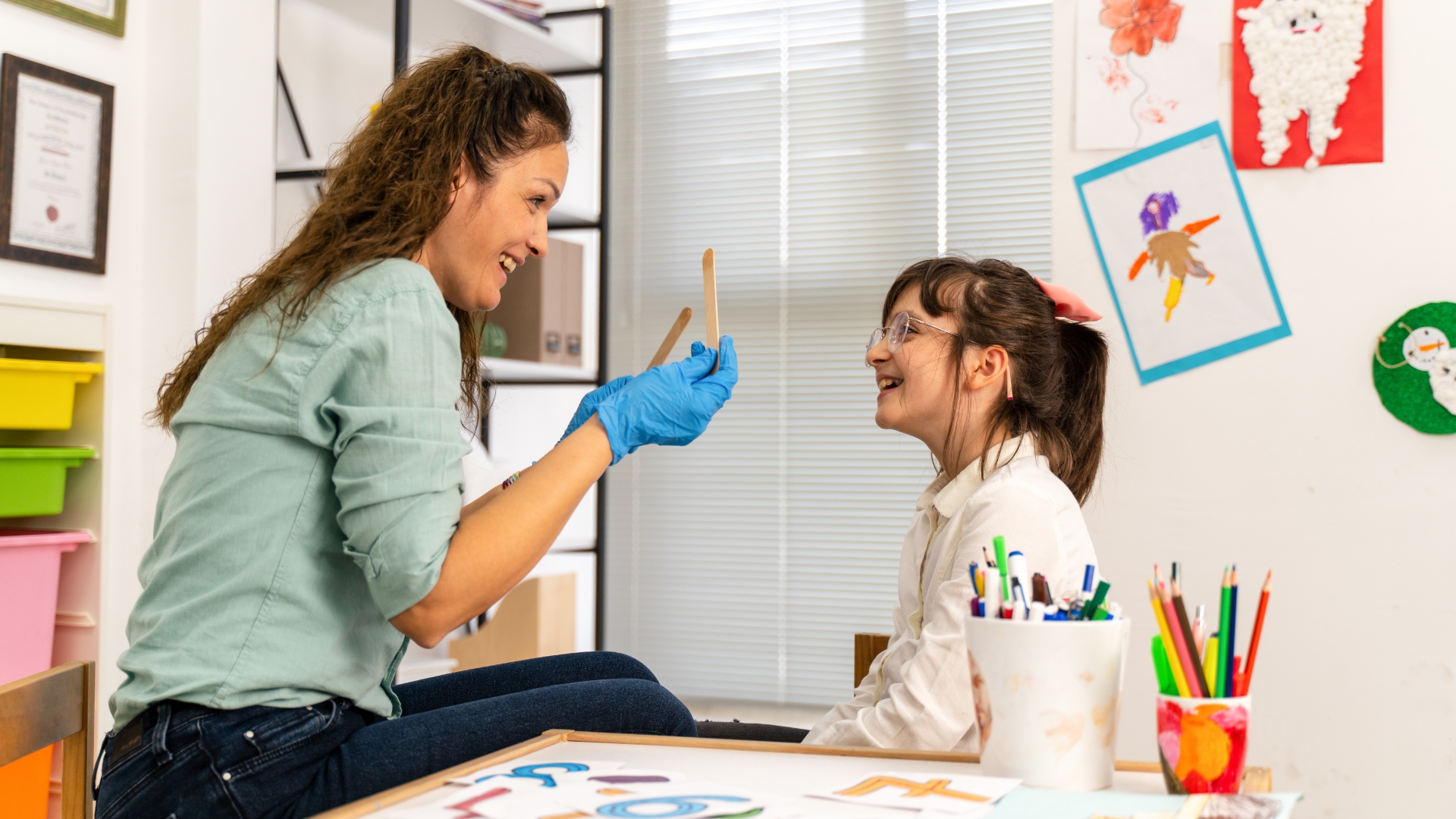
Signs Your Child May Need Pediatric Speech or Occupational Therapy Near Agoura Hills
Parents usually know when something feels harder than it should. You may not have the clinical words yet, but you see the patterns. Your child may struggle to ask for help, avoid certain textures, resist dressing, fall apart during transitions, or seem frustrated because their body and words cannot keep up with what they want.
Therapy Clubhouse helps Agoura Hills families look at those patterns with more clarity. The goal is not to panic over every missed milestone. The goal is to notice when a challenge keeps showing up, affects daily life, or makes your child work much harder than expected.
A child may need
speech therapy
if they use few words, rarely imitate sounds, do not point or gesture, struggle to answer simple questions, or become upset when others do not understand them. Some children talk often but remain hard to understand. Others understand language but struggle to express their own ideas.
Speech concerns can show up during play, daily routines, school routines, or family conversations. A toddler may pull a parent to the pantry instead of asking for a activity. A preschooler may use one word when they need a full phrase. A school-age child may tell stories out of order or avoid speaking in groups.
Early communication includes more than words. Children also use eye contact, pointing, waving, reaching, sounds, gestures, and imitation. If those skills feel limited or inconsistent, a speech evaluation may help parents understand what is missing.
Therapy Clubhouse can look at how your child communicates across the whole day. A child who does not use many words may still have strong play skills, social interest, or problem-solving skills. Understanding that full picture helps shape better therapy goals.
Frustration When a Child Cannot Communicate Wants and Needs
Communication frustration can look loud, quiet, or confusing. One child may scream when a parent guesses wrong. Another may shut down, grab items, cry, or avoid interaction altogether. These reactions often grow when the child has something to say but cannot get the message out. Speech therapy can give a child more ways to communicate before frustration takes over. That may include words, gestures, signs, sounds, picture support, or simple phrases. The right method depends on the child, not a one-size-fits-all script.When Speech Concerns Affect daily routines, Playtime, Preschool, or Family Routines
A speech concern deserves attention when it starts affecting daily participation. If your child cannot ask for texture, join play, follow classroom directions, answer familiar questions, or tell you what happened, the issue reaches beyond pronunciation or vocabulary. Therapy Clubhouse helps families connect speech goals to the places where communication matters most. For a young child, that may mean activity time and play. For an older child, that may mean school, friendships, and telling adults what they need.
A child may need occupational therapy when sensory responses, motor skills, coordination, or self-care tasks keep getting in the way. These signs can appear during mornings, daily routines, playground time, classroom work, grooming, or bedtime.Some children avoid tasks. Others rush, crash, climb, chew, spill, drop, or melt down when a routine changes. These patterns can look like behavior at first glance, but OT looks deeper at what the child’s body is struggling to manage.
Difficulty With Textures, Grooming, Clothing, or daily routine Participation
Texture struggles can turn simple tasks into major stress points. A child may reject socks, pull away at certain textures, hate toothbrushing, panic during hair washing, or refuse clothes that feel scratchy, tight, or wrong.Occupational therapy can help identify whether sensory sensitivity, motor planning, or routine stress contributes to the problem. Once parents know what is driving the reaction, they can respond with a better plan.Trouble With Grasping Toys Using tools or Completing Age Appropriate Tasks
Fine motor and coordination concerns can show up quietly. A child may avoid building toys, struggle with containers, drop tools, resist coloring, have trouble with scissors, or need extra help with buttons and zippers.Therapy Clubhouse can assess how hand strength, coordination, posture, body awareness, and visual motor skills affect the task. The work becomes much more useful when parents know whether the problem is strength, planning, attention, sensory feedback, or frustration.When Daily Routines Feel Harder Than Expected for Your Child
A child may need support when the same routines keep breaking down despite patience and practice. If dressing, daily routines, grooming, play, preschool tasks, or transitions drain the whole household, it may be time to ask for help.Therapy Clubhouse helps parents stop guessing. A pediatric speech or occupational therapy evaluation can explain what your child needs and what type of support may make the next step easier.Call Therapy Clubhouse for Pediatric Speech and Occupational Therapy in Agoura Hills
If you are looking for Pediatric speech and Occupational Therapy in Agoura Hills, you do not need to keep guessing your way through every concern alone. Maybe your child needs help using words, following directions, tolerating daily routines, improving fine motor skills, managing sensory input, or getting ready for preschool or school. The right support can help you understand what is happening and what steps may help your child move forward.
Therapy Clubhouse provides pediatric speech therapy and occupational therapy for children from birth through age 18. Our team supports families near Agoura Hills through Early Start services, Regional Center support, in-home therapy, telehealth, and appointments in our upcoming Westlake Village clinic, opening Fall 2026. We focus on practical goals that connect to your child’s real needs, whether that means asking for help, joining play, using tools, getting dressed, communicating more clearly, or handling transitions with less stress.
Parents deserve answers that feel clear, not clinical and cold. When you contact Therapy Clubhouse, we can talk through your concerns, explain what type of therapy may fit your child’s needs, and help you understand the next step. Your child does not need to have everything figured out before you reach out. A concern is enough reason to start the conversation.
Call Therapy Clubhouse at
(805) 624-3301
to ask about pediatric speech therapy and occupational therapy near Agoura Hills. You can also contact Therapy Clubhouse through our
contact page
to request more information about services, scheduling, and care options for your child.