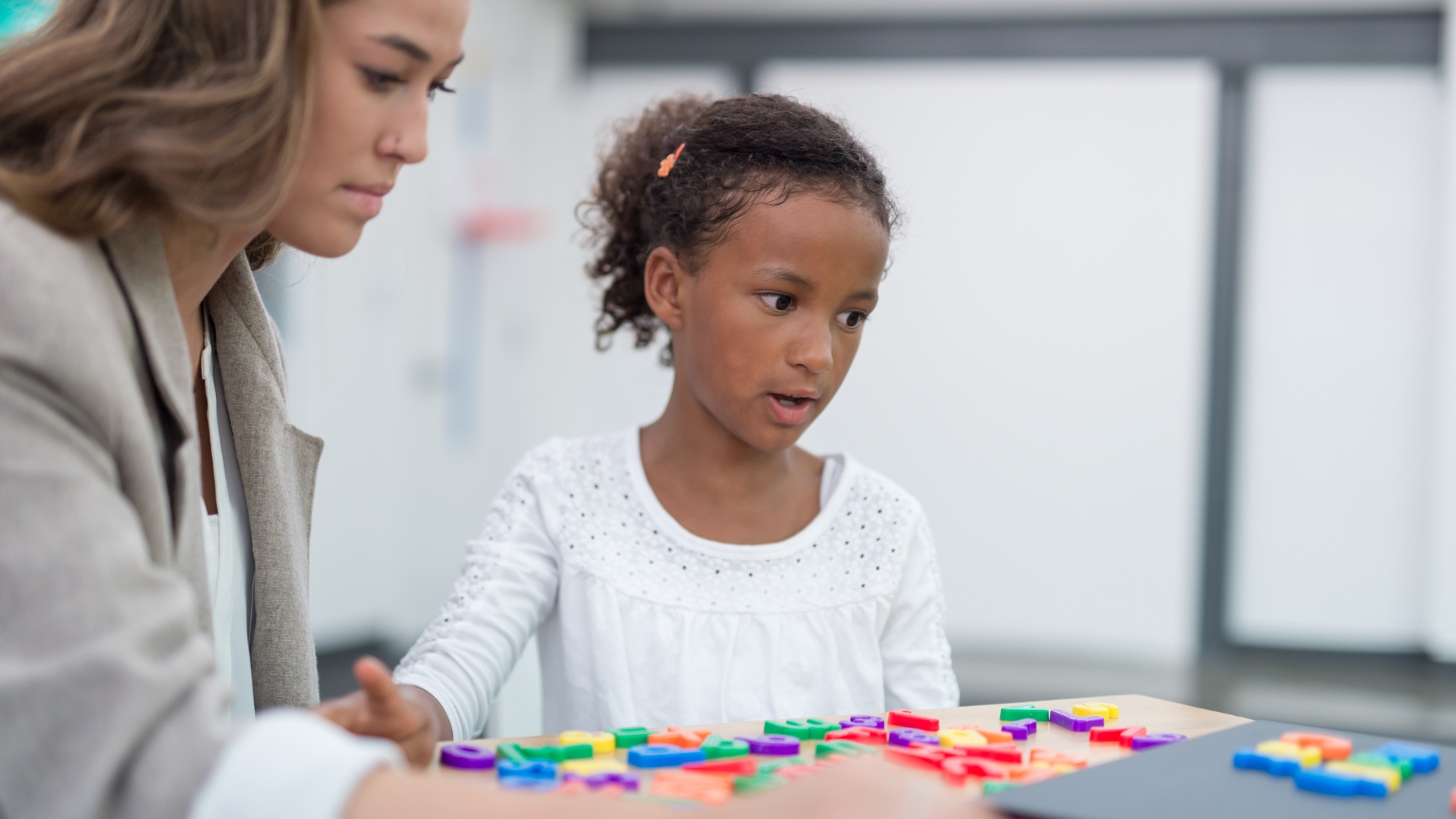
Coordination, balance, and body awareness affect how children move through their world. A child who bumps into furniture, falls often, avoids climbing, struggles with playground equipment, or seems unsure where their body is in space may need OT support. These skills can affect play, safety, confidence, and peer participation.
Pediatric occupational therapy can work on motor planning, core strength, balance reactions, and body awareness through movement-based activities. Your child may climb, crawl, jump, balance, throw, catch, or move through obstacle courses with a therapist guiding the challenge. The activities may look fun, but each one gives the therapist information about how your child plans and controls movement.
Therapy Activities That Help Children Move With Better Control
A child needs body control for far more than sports. Sitting upright during table work, stepping over a curb, getting onto a toilet, climbing into a car seat, or carrying a backpack all require coordinated movement. When these tasks feel hard, a child may avoid them, rush through them, or melt down when asked to try.
Therapy Clubhouse can use play-based movement activities to help children practice balance, strength, timing, and planning. An obstacle course may work on climbing, crawling, stepping, and jumping in one sequence. A scooter board activity may build core strength, shoulder stability, and body awareness while the child feels like they are playing a game.
Why Movement Skills Can Affect Attention and Participation
Some children have trouble paying attention because their bodies are working too hard to stay upright, organized, or calm. Sitting in a chair, keeping feet still, holding the head up, and using both hands for a task can take real effort. When the body is not ready, attention often falls apart.
Pediatric OT can help by addressing the physical and sensory needs underneath the behavior. A child who keeps sliding out of the chair may need better core strength or a different seating setup. A child who crashes into everything may need more organized movement input before a quiet task.
How Better Body Awareness Helps Children Feel Safer
Body awareness helps children understand where they are in relation to people, furniture, stairs, playground equipment, and classroom materials. When this skill is underdeveloped, a child may seem clumsy, rough, hesitant, or unaware of personal space. That can affect safety and social interactions.
Therapy Clubhouse can help children practice movement in structured ways so they learn how much force to use and where their body is in space. A child may push a weighted object, crawl through a tunnel, balance on stepping stones, or practice stop-and-go games. Over time, those activities can help the child move with more awareness and fewer surprises.