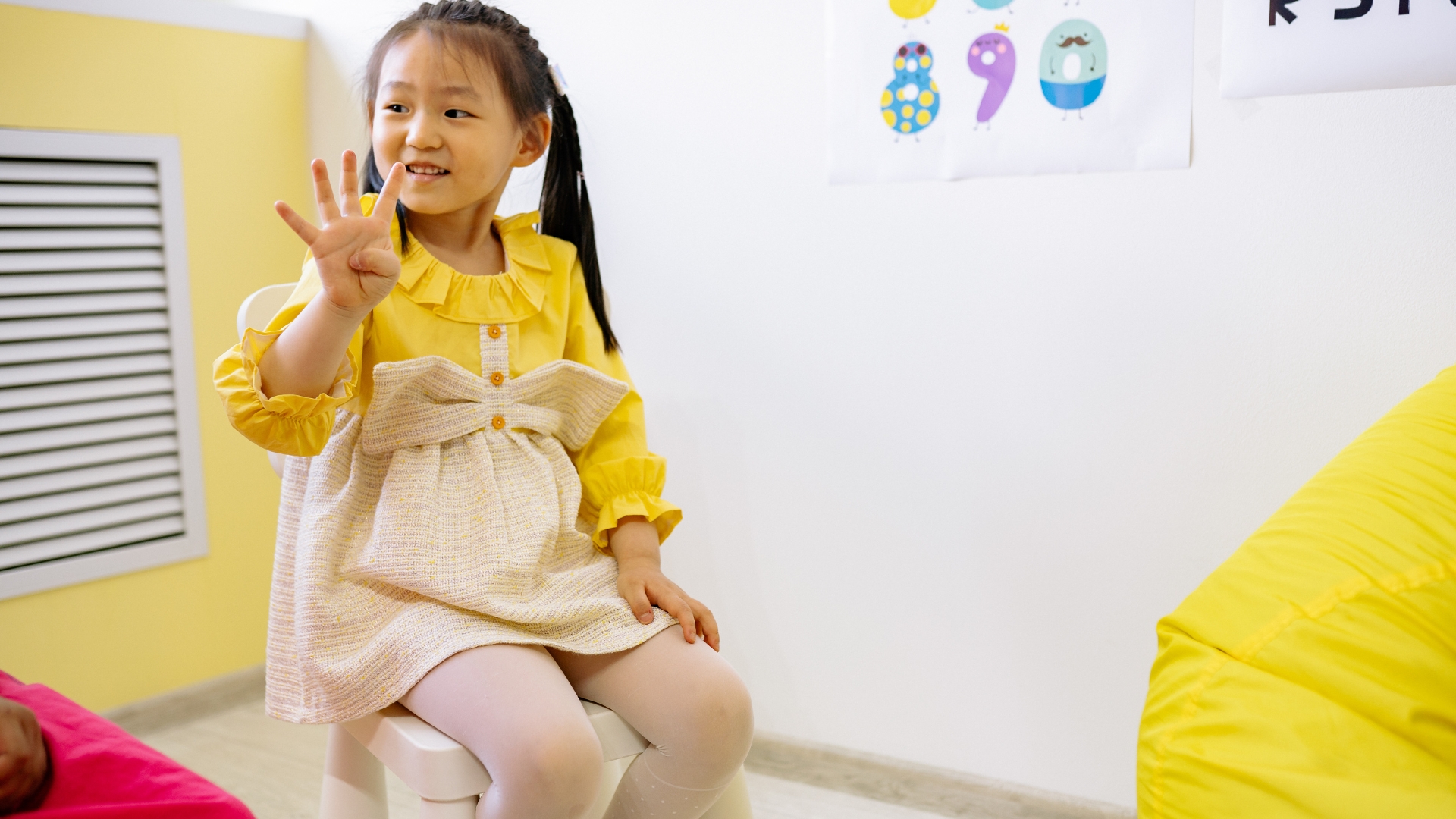
Children learn through relationships, repetition, curiosity, and meaningful experiences. Therefore, pediatric speech therapy should reflect the way children naturally develop communication skills rather than relying exclusively on rigid exercises. Our treatment plans are designed to support communication growth while keeping children engaged in the learning process. We incorporate activities that encourage participation, interaction, and skill development in ways that feel natural and age-appropriate.
Speech Therapy Activities Tailored to Each Child's Learning Style
Children respond differently to various teaching methods. Some thrive during play-based activities, while others engage more effectively through structured tasks, visual supports, or conversation-based learning opportunities. Understanding how a child learns allows us to create therapy experiences that encourage participation and maximize communication growth. This individualized approach helps children remain engaged while working toward important goals. Play-Based Speech Therapy for Younger Children
Play creates powerful opportunities for communication development. Through play, children practice language skills, problem-solving abilities, social interaction, and expressive communication. For younger children especially, play-based speech therapy often provides a natural and enjoyable way to build foundational communication skills. Communication Activities That Support Older Children
Older children often benefit from activities that connect directly to academic demands, social situations, and real-world communication experiences. These activities may focus on conversation skills, language organization, storytelling, listening comprehension, self-advocacy, and communication confidence. By connecting therapy to everyday situations, children can more easily apply new skills outside the therapy setting. Long-Term Communication Growth Through Individualized Planning
Meaningful communication development often occurs through consistent support, targeted practice, and individualized guidance. Effective treatment plans provide structure while remaining flexible enough to adapt as children grow. By focusing on each child's unique needs and strengths, we help create therapy experiences that support continued communication development over time. Supporting Communication Growth Across Different Environments
Children communicate differently depending on their surroundings. Home, school, community settings, and social situations each present unique communication demands. Our therapy plans consider these different environments when developing goals and recommendations. This helps children build communication skills that transfer more effectively into daily life. Helping Children Reach Meaningful Communication Milestones
Every child progresses at a different pace. While milestones provide useful reference points, meaningful progress often appears through the small successes families notice throughout everyday life. Whether a child begins participating more confidently in conversations, communicating needs more clearly, or engaging more comfortably with others, those improvements represent valuable steps forward. Our goal is to help children build communication skills that support greater participation, stronger relationships, and increased confidence throughout childhood.