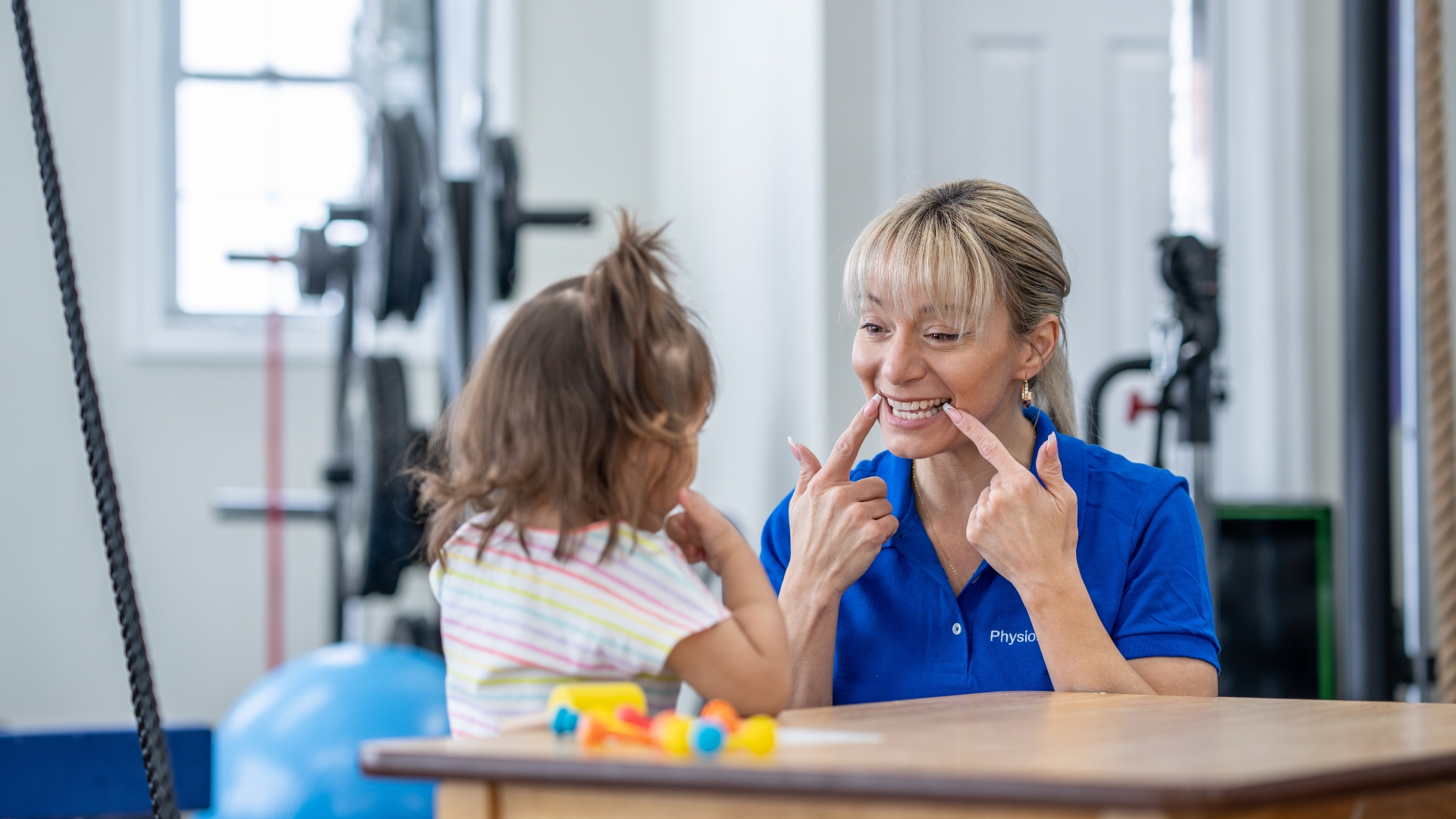
Some children need more movement or body input to feel organized. They may jump from the couch, crash into pillows, spin in circles, chew on sleeves, climb everything in sight, or press their bodies against furniture. These children are not always trying to cause trouble. Their bodies may be asking for stronger input so they can feel where they are and settle enough to focus.
A pediatric occupational therapist can help identify safe, appropriate ways to give a child the input they seek. That may involve heavy work activities, structured movement, deep pressure strategies, or changes to the environment. Therapy Clubhouse keeps this practical, because a strategy only works if your family can actually use it on a busy morning before school.
Heavy Work Activities Can Help Some Children Feel More Organized
Heavy work refers to activities that use the muscles and joints in a purposeful way. A child might push a laundry basket, carry groceries with help, crawl through a tunnel, pull a wagon, or do animal walks across the room. These activities can give the body strong feedback without relying on chaos or unsafe climbing.
The right heavy work activity depends on the child. One child may calm after pushing against a wall, while another may become more alert after carrying books across the room. Therapy Clubhouse can help parents learn which activities fit their child’s needs and which ones create more dysregulation.
Movement Seeking Can Disrupt School and Home Routines
A child who constantly leaves the table, falls out of a chair, or bumps into other children may be seeking movement input. This can affect circle time, daily routines, homework, family outings, and bedtime routines. The problem is not always a lack of discipline.
Pediatric OT can help parents and children build movement into the day in a safer and more predictable way. A therapist may recommend short movement breaks, seating adjustments, calming activities before difficult tasks, or a routine that gives the child input before they reach overload. Therapy Clubhouse focuses on strategies that fit real family schedules, not perfect-world plans.
Why Some Children Avoid Touch, Sound, or New Textures
Other children react strongly because certain input feels too intense. A child may refuse socks because the seam feels painful, avoid finger paint because messy hands feel unbearable, or cry when a blender turns on in the kitchen. These reactions can surprise parents because the trigger may seem small from the outside.
A pediatric occupational therapist takes those reactions seriously without letting fear run the whole day. Therapy may help a child gradually tolerate certain sensations, communicate discomfort more clearly, and use coping strategies before distress takes over. Therapy Clubhouse works at the child’s pace while still helping families move toward better participation.
Tactile Sensitivity Can Affect Dressing, Grooming, and Play
Tactile sensitivity means touch input may feel uncomfortable, distracting, or overwhelming. Dressing can become hard when tags, seams, waistbands, or certain fabrics bother a child. Grooming can also become stressful when toothbrushing, hair washing, nail trimming, or face wiping feels too intense.
This can also affect play. A child may avoid sand, glue, slime, finger paint, grass, or water play because the texture feels wrong. Pediatric occupational therapy can help children build tolerance, learn coping strategies, and participate in activities that once felt off-limits.
Sound Sensitivity Can Make Public Places Feel Unpredictable
Sound sensitivity can make ordinary places feel unsafe or exhausting. A child may cover their ears in bathrooms, restaurants, classrooms, gyms, birthday parties, or busy stores. They may become anxious before entering a place because they remember how loud it felt last time.
Therapy Clubhouse can help parents identify noise triggers and prepare the child with specific tools. That may include warning before loud sounds, quiet breaks, calming routines, headphones when appropriate, or gradual exposure to certain environments. The goal is to help the child function with more support, not force them to tolerate distress without help.