
Communication reaches far beyond speaking clearly. Children use communication skills to express needs, build friendships, follow instructions, participate in learning, and navigate daily interactions. When communication becomes difficult, many areas of life can feel more challenging.
Parents seeking pediatric speech therapy in Newbury Park often describe concerns that first appeared during ordinary routines. They may notice frequent misunderstandings, increasing frustration, or difficulty participating in age-appropriate conversations. These experiences do not automatically mean therapy is necessary, but they may indicate that additional support could be helpful.
Speech and Occupational Therapy in Newbury Park
Speech and Occupational Therapy in Newbury Park
Sometimes the biggest signs do not appear during a doctor's appointment or developmental screening. They show up at the dinner table when a child struggles to express a simple thought. They appear during a birthday party when joining other children feels overwhelming. They surface during homework, morning routines, playtime, or everyday conversations that seem harder than they should. Those moments often leave parents desperate for answers, wondering whether additional support could help their child feel more confident and successful. Our speech and occupational therapy services give children opportunities to build skills that influence everyday life. Communication, social interaction, sensory processing, fine motor development, and independence often work together in ways parents may not immediately recognize.
Speech therapy can help children
strengthen communication abilities while improving participation across daily activities and environments.
At Therapy Clubhouse, we focus exclusively on pediatric speech therapy and occupational therapy. We work with children from infancy through adolescence and create therapy experiences that feel engaging, practical, and connected to real life. Families often arrive at Therapy Clubhouse from very different starting points. Some parents have received recommendations from a pediatrician or a developmental evaluation. Others simply trust their instincts after noticing persistent challenges during daily routines. Regardless of how concerns first emerge, we help families better understand what they are seeing while creating a path forward that feels encouraging and manageable. If you are searching for speech and occupational therapy in Newbury Park, Therapy Clubhouse is here to help. Call
(805) 624-3301
today to schedule an evaluation.
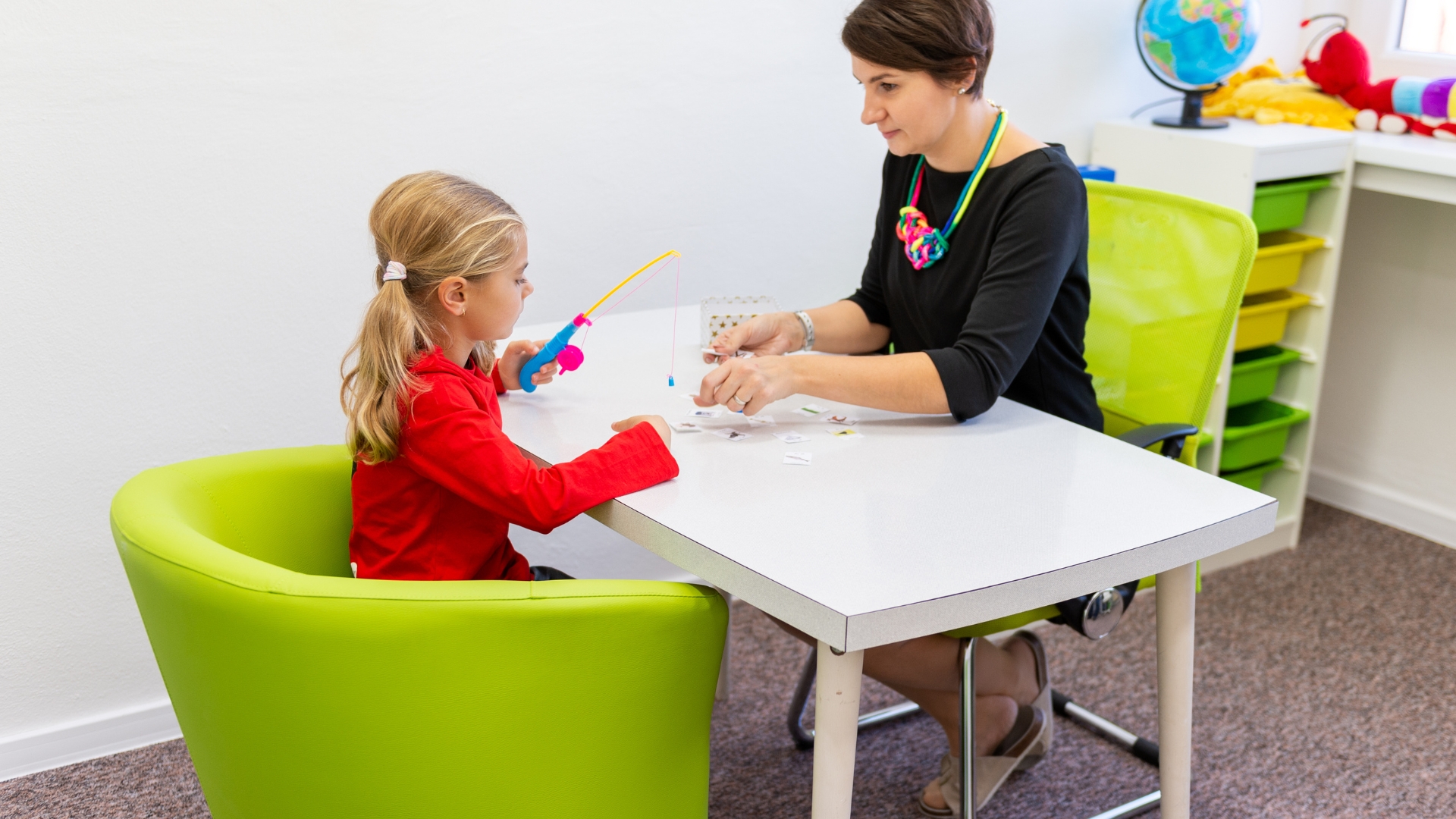
How Do I Know if My Child Needs Speech and Occupational Therapy in Newbury Park, CA
Most parents do not measure their child's development against a checklist every day. Instead, they notice moments that feel unexpectedly difficult. A simple conversation may turn into frustration. A morning routine may require far more support than expected. Social situations may seem harder to navigate than they are for other children of a similar age. Over time, those observations often lead families to wonder whether additional support could help. Our
speech and occupational therapy services in Newbury Park
provide children with opportunities to strengthen communication skills, build independence, improve participation, and develop greater confidence in everyday situations. While every child develops differently, persistent challenges across multiple environments can sometimes indicate that speech therapy or occupational therapy may be beneficial. We encourage parents to pay attention to patterns rather than isolated moments. When similar concerns continue appearing at home, school, and during community activities, it may be worth exploring a pediatric therapy evaluation.
Some children struggle to communicate thoughts even when they understand what they want to say. Others may rely heavily on gestures, become upset when misunderstood, or avoid communication situations altogether. These patterns can affect confidence and make social interactions feel less enjoyable.
Children who have difficulty expressing themselves often experience frustration that extends into other parts of their day. They may withdraw from conversations, avoid asking for help, or become discouraged when others cannot understand them. Speech and occupational therapy services can help children build skills that support clearer communication and greater participation.
Communication Challenges Can Appear Differently in Every Child
No two children communicate exactly the same way. One child may use very few words while another may speak frequently but struggle to organize thoughts effectively. Some children have difficulty answering questions, while others struggle to start conversations or maintain interactions with peers. Parents often find reassurance in understanding that communication challenges can take many forms. A comprehensive evaluation helps identify specific areas that may benefit from support while highlighting strengths that can be used to encourage progress.Difficulty Following Conversations and Instructions
Communication involves listening and understanding as much as speaking. Some children struggle to process information during conversations, classroom activities, or family interactions. As a result, they may appear distracted, confused, or unresponsive when they are actually having difficulty understanding language. These challenges can influence academic participation, peer relationships, and confidence. Pediatric speech therapy focuses on helping children develop stronger receptive language skills while improving their ability to engage successfully in everyday situations.Understanding Language Supports Learning and Participation
Children rely on language comprehension throughout the day. Following directions, understanding stories, participating in discussions, and learning new concepts all depend on receptive communication skills. When understanding language becomes easier, many children experience greater confidence during activities that previously felt overwhelming. Improved comprehension often creates positive changes across multiple environments.
Occupational therapy focuses on helping children participate more successfully in everyday activities. Many parents initially associate occupational therapy with motor skills, yet it also addresses sensory processing, self-care tasks, emotional regulation, and independence.
Children often communicate challenges through behavior rather than words. As a result, difficulties with participation may appear during routines that seem unrelated at first glance. Looking closely at these experiences can provide valuable insight into whether occupational therapy may help.
Everyday Tasks Feel More Difficult Than Expected
Most children encounter occasional challenges during daily routines. However, consistent struggles with age-appropriate activities may indicate that additional support could be beneficial. Parents seeking occupational therapy for children in Newbury Park often describe concerns involving dressing, organization, transitions, or participation in family routines. These experiences can create frustration for both children and caregivers.Independence Develops Through Repeated Practice
Developing independence takes time. Children learn through repetition, encouragement, and opportunities to practice skills in meaningful situations. When developmental challenges interfere with participation, occupational therapy helps break larger goals into manageable steps. This approach allows children to build confidence while developing practical skills that support greater independence.Motor Skills Affect More Than Handwriting
Fine motor development influences many aspects of childhood. Children use these skills when holding utensils, manipulating fasteners, completing classroom activities, building with toys, and participating in creative tasks. Some children avoid activities that require coordination because they feel difficult or frustrating. Occupational therapy helps children strengthen motor skills while creating positive experiences that encourage participation and confidence.Small Motor Challenges Can Create Big Frustrations
A child who struggles to button clothing may also feel hesitant during classroom projects. A child who finds writing difficult may avoid activities that require fine motor control. Addressing these challenges early can help children participate more comfortably in school, at home, and during recreational activities.
Every child experiences sensory information differently. Some children become overwhelmed by busy environments. Others actively seek movement, touch, or physical activity throughout the day. Sensory preferences exist on a broad spectrum, yet certain patterns may interfere with participation and comfort.
Parents often notice sensory differences during routines that occur repeatedly. Clothing, grooming, meals, transitions, community outings, and social activities frequently provide clues about how a child processes sensory information.
Strong Reactions During Common Daily Activities
A child may become distressed by certain textures, sounds, or environments. Another child may avoid particular experiences that seem manageable for peers. These responses can create challenges during activities that occur every day. Occupational therapy helps families better understand sensory processing while developing strategies that support participation. The goal is not to eliminate preferences. Instead, therapy focuses on helping children navigate daily experiences more comfortably.Sensory Challenges Can Affect Family Routines
Families often adjust routines around sensory preferences without realizing it. They may avoid particular activities, modify schedules, or limit certain experiences to reduce stress. Understanding the factors influencing these responses can help families make informed decisions while supporting their child's success across different environments.Constant Movement and Difficulty Remaining Engaged
Some children seek movement almost continuously. They may climb, jump, spin, or move from one activity to another without slowing down. While active play remains an important part of childhood, excessive movement-seeking behaviors can sometimes affect participation. Occupational therapy helps identify underlying sensory needs while providing opportunities to build regulation and engagement skills that support everyday activities.Movement Can Be a Form of Communication in Newbury Park
Children often communicate through behavior long before they can explain what they are experiencing. Excessive movement may represent a need for sensory input rather than simple restlessness. Understanding the purpose behind a behavior allows families to respond more effectively while supporting a child's developmental needs.
Parents spend countless hours observing their children in situations that professionals rarely see. Because of that, families often notice subtle patterns long before anyone else. A concern does not need to become a major obstacle before it deserves attention.
Seeking Speech and Occupational Therapy in Newbury Park does not mean assuming something is wrong. Instead, it provides an opportunity to better understand your child's strengths, challenges, and developmental needs. We work closely with families to answer questions, provide guidance, and create therapy plans that support meaningful progress across everyday life.
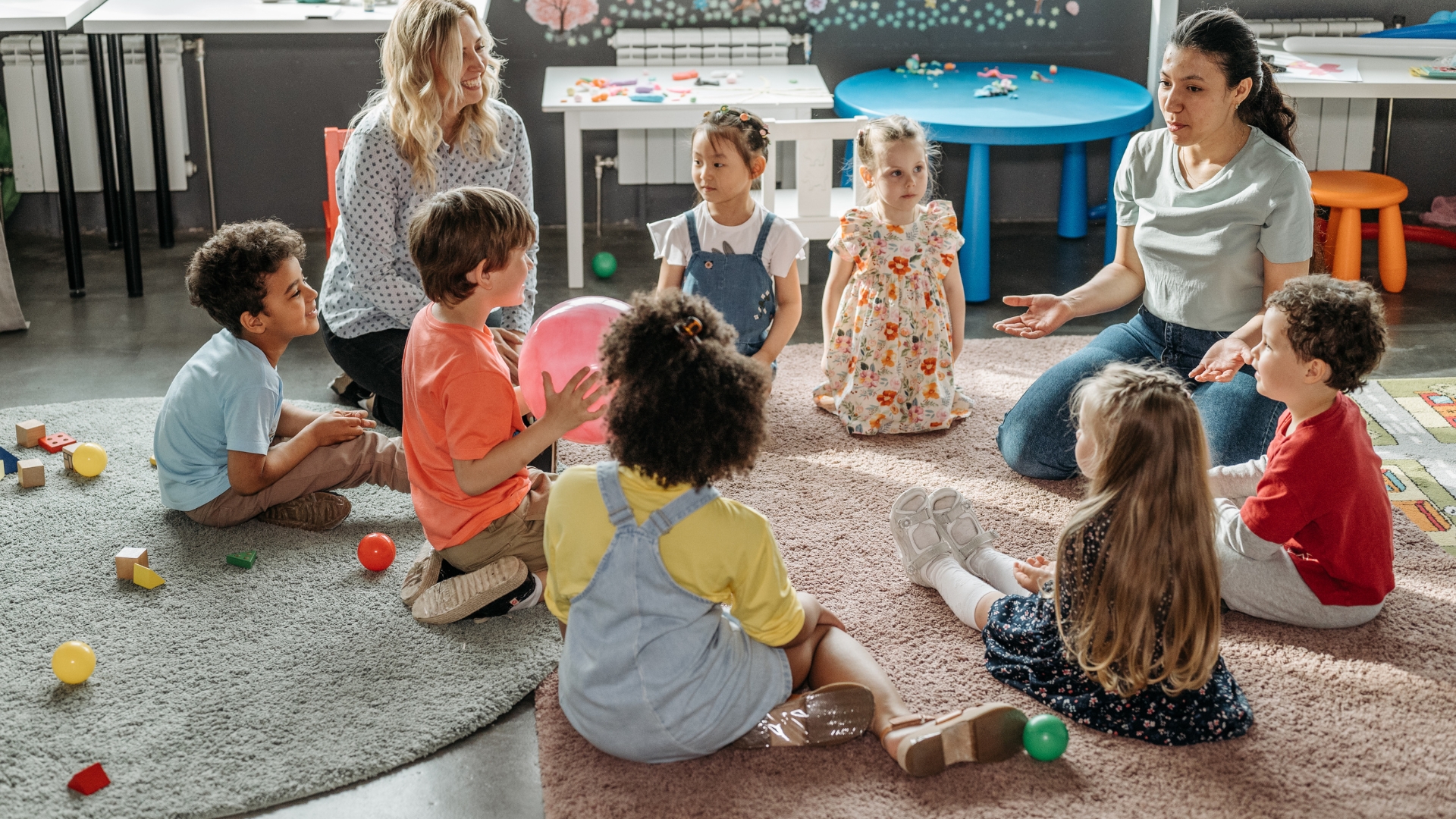
Our Services
Therapy Clubhouse serves families in Westlake Village and nearby Southern California communities through pediatric speech therapy, occupational therapy, Early Intervention support, in-home therapy, telehealth, and clinic-based care.

Speech Sound Mastery
Help your child produce sounds clearly and confidently through play-based therapy techniques.
Explore Speech Sound Mastery

Language Development
Build vocabulary, sentence structure, and comprehension skills through interactive learning.
Explore Language Development
Early Intervention
Specialized support for toddlers showing early signs of speech delays or difficulties.
Explore Early Intervention
Social Communication
Develop conversation skills, turn-taking, and social play in a warm environment.
Explore Social Communication
Fluency Therapy
Support for smoother communication, stuttering, and related confidence skills.
Explore Fluency TherapyDaily Living Skills
Support independence with routines, self-care, regulation, and age-appropriate participation goals.
Explore Daily Living Skills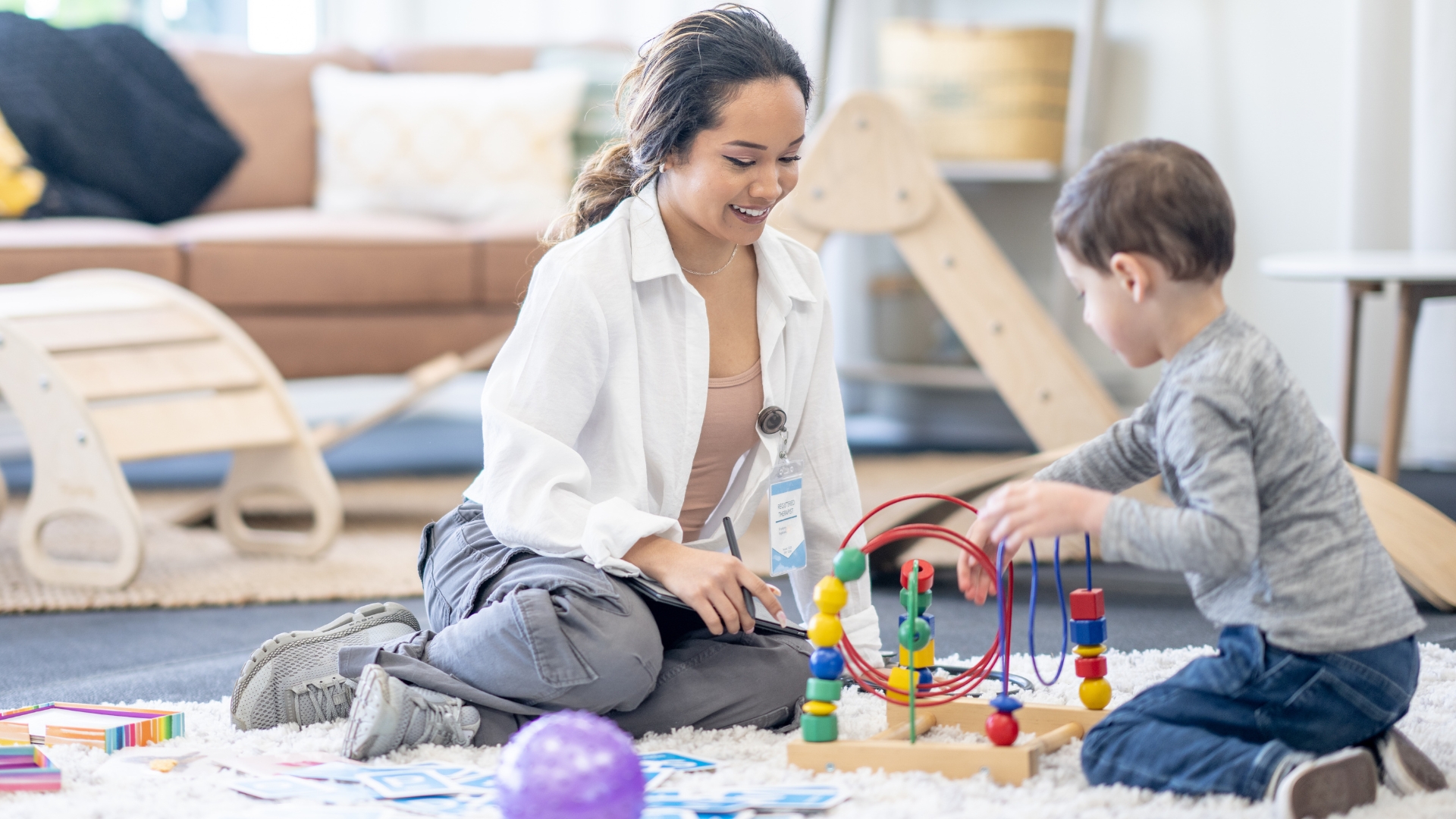
What Pediatric and Occupational Therapy Can Look Like at Different Ages for Newbury Park Children
Children experience tremendous growth between infancy and adolescence. As a result, the goals of pediatric speech therapy and occupational therapy often change as children move through different stages of development. A toddler learning to communicate needs something very different from a school-age child building classroom skills. Likewise, a teenager preparing for greater independence faces challenges that differ from those encountered during the preschool years.
At Therapy Clubhouse, we tailor pediatric therapy services to each child's developmental stage, strengths, and everyday experiences. Rather than applying the same approach to every child, we focus on helping children build skills that support participation in the activities they encounter right now. This individualized approach allows therapy to remain relevant, practical, and meaningful as children continue to grow.
The earliest years of childhood bring rapid changes in communication, play, movement, and social interaction. During this stage, children develop foundational skills that support future learning and participation. Consequently, concerns that arise during infancy or toddlerhood often benefit from early support and guidance.
Many families first begin exploring speech therapy or occupational therapy after noticing differences in communication, play skills, sensory responses, or daily routines. These concerns may appear gradually, yet early intervention allows families to address challenges while important developmental foundations continue to emerge.
Young children learn communication through everyday interactions. They watch caregivers, respond to voices, imitate sounds, use gestures, and gradually connect words with meaning. Although development follows different timelines, communication challenges can sometimes affect a child's ability to connect with others.
Speech therapy for toddlers often focuses on strengthening communication through natural interactions, play experiences, and family involvement. Children may work on expressing needs, increasing engagement, developing vocabulary, or improving participation during everyday routines.
Early Communication Starts Before Full Conversations
Many parents focus on spoken words when evaluating communication development. However, communication begins long before children form complete sentences. Eye contact, gestures, joint attention, imitation, and social engagement all contribute to communication growth. When these early communication skills become stronger, children often gain confidence interacting with family members and exploring the world around them.Supporting Sensory Development and Participation
Many toddlers experience challenges related to sensory processing. Certain sounds, textures, movements, or environments may feel overwhelming. Meanwhile, other children actively seek sensory experiences throughout the day. Occupational therapy helps families better understand how sensory processing influences participation. Through play-based activities and parent guidance, children develop skills that support comfort, engagement, and participation during daily routines.Everyday Routines Create Valuable Learning Opportunities
Bath time, dressing, play, and other daily routines all provide opportunities for growth. Occupational therapy often incorporates these familiar experiences because they naturally support skill development. As children become more comfortable participating in everyday routines, families frequently notice improvements extending beyond therapy sessions.
Preschool years introduce new expectations. Children begin interacting with peers more frequently, following group instructions, participating in structured activities, and navigating increasingly complex social environments.
As a result, communication skills, attention, sensory regulation, and independence become especially important during this developmental stage.
Strengthening Social Communication Through Play
Play remains one of the most important learning tools during childhood. Through play, children practice conversation skills, problem-solving, turn-taking, and social interaction. These experiences help prepare children for future academic and social environments. Speech therapy often incorporates play-based learning to encourage communication growth while keeping children engaged. Children may practice asking questions, sharing ideas, following directions, and participating more comfortably with peers.Play Creates Opportunities for Meaningful Communication
Children often communicate more naturally when engaged in activities they enjoy. Therefore, therapy frequently uses games, imaginative play, movement activities, and interactive experiences to support communication development. These opportunities help children practice new skills within situations that feel enjoyable rather than intimidating.Developing Skills That Support Preschool Participation
Preschool environments require children to manage transitions, follow routines, interact with peers, and participate in group activities. For some children, these expectations can feel challenging. Occupational therapy helps children strengthen the skills needed for successful participation. Therapy may focus on attention, self-regulation, fine motor development, sensory processing, or independence during daily activities.Small Successes Build Confidence Over Time
Children often gain confidence when they experience success during everyday activities. Completing a task independently or participating more comfortably in a group setting can create meaningful progress. As confidence grows, children frequently become more willing to engage in new experiences and challenges.
School-age children face increasing academic, social, and organizational demands. Communication skills become more sophisticated, while daily responsibilities continue expanding. Consequently, therapy goals often evolve to support participation across multiple environments.
Many parents seek pediatric speech therapy and occupational therapy after noticing challenges affecting school performance, friendships, or daily routines. These concerns may involve communication, organization, sensory regulation, handwriting, or independence.
Communication Skills Become More Complex
As children mature, communication involves much more than speaking clearly. Children must organize thoughts, participate in discussions, understand social cues, follow multi-step directions, and navigate increasingly complex conversations. Speech therapy helps children strengthen these higher-level communication skills while supporting success in academic and social environments.Communication Influences Classroom Participation
Children rely on communication throughout the school day. Asking questions, completing assignments, collaborating with peers, and participating in discussions all require effective communication skills. Strengthening these abilities often improves both confidence and participation across different settings.Occupational Therapy for Daily Responsibilities
School-age children encounter new responsibilities both at home and in educational environments. Managing materials, completing tasks, organizing belongings, and following routines require multiple developmental skills working together. Occupational therapy helps children strengthen these practical abilities while developing strategies that support greater independence.Independence Develops Through Real Life Practice
Children learn best when skills connect directly to everyday experiences. Therefore, therapy focuses on goals that feel meaningful within a child's daily life. This approach allows children to apply new skills beyond therapy sessions and into the environments where they spend most of their time.
Adolescence brings significant changes in communication, responsibility, and self-management. Teenagers often encounter new expectations related to academics, social relationships, community involvement, and future planning.Pediatric speech therapy and occupational therapy continue providing valuable support during these years by helping teens develop practical skills that support independence and confidence.
Preparing for Greater Responsibility
Teenagers frequently balance school demands, extracurricular activities, friendships, and increasing personal responsibilities. Managing these expectations requires organization, communication, self-awareness, and problem-solving abilities.Therapy helps teens strengthen these skills while developing strategies that support participation across different areas of life.Meaningful Goals Reflect Real-World Challenges
Therapy remains most effective when goals connect directly to everyday experiences. As a result, teen therapy often focuses on practical situations that influence independence and participation.These goals help prepare adolescents for future opportunities while supporting continued growth during an important stage of development.Therapy Evolves as Children Grow in Newbury Park and Across Southern California
Children do not remain in the same developmental stage for very long. Their interests change, responsibilities expand, and new challenges emerge over time. Because of this, therapy should evolve alongside them.At Therapy Clubhouse, we adjust therapy goals to reflect each child's current needs rather than relying on a one-size-fits-all approach. Whether a child is learning first words, preparing for kindergarten, navigating classroom expectations, or building greater independence as a teenager, we focus on helping them develop skills that support meaningful participation in everyday life.
In-Home Speech and Occupational Therapy Services Available for Newbury Park Families
For many children, home is where learning feels most natural. It is where favorite toys are kept, daily routines unfold, and familiar faces provide comfort throughout the day. Consequently, many families appreciate the opportunity to receive pediatric speech therapy and occupational therapy in an environment their child already knows well. In-home therapy removes many of the barriers that can make participation more difficult while creating opportunities for children to practice skills within the settings where they use them most often.
At Therapy Clubhouse, we understand that meaningful progress often happens during ordinary moments. A child may communicate during snack time, practice following directions while helping with simple household tasks, or work on sensory regulation during routines that occur every day. Because therapy takes place within the home environment, children can apply new skills immediately while families gain valuable insight into strategies that support continued growth. For many Newbury Park families seeking speech and occupational therapy services, in-home care provides a practical and highly individualized approach to pediatric therapy.
Every family has different needs, schedules, and priorities. While some children thrive in clinic settings, others respond best when therapy occurs within familiar surroundings. In-home speech therapy and occupational therapy allow therapists to observe challenges and successes within the context of everyday life.
Parents often tell us that they appreciate the convenience of receiving pediatric therapy services at home. At the same time, children frequently feel more comfortable participating in activities when they occur within an environment they know and trust. This combination can create valuable opportunities for engagement and skill development.
Children spend much of their time at home. They know where their favorite activities take place, understand household routines, and feel comfortable interacting with family members. As a result, many children engage more naturally when therapy occurs in familiar surroundings.
A comfortable environment can reduce anxiety and increase participation. When children feel secure, they often become more willing to communicate, explore new activities, and practice emerging skills.
Comfort Can Support Meaningful Learning Opportunities
Learning does not happen only during structured therapy activities. Children continue developing skills throughout the day as they interact with family members, participate in routines, and navigate everyday experiences. Because in-home pediatric therapy takes place within these natural settings, therapists can build activities around situations that already hold meaning for the child. This approach often makes skill development feel more relevant and easier to carry over into daily life.Families Become Active Participants in the Process
Parents play an important role in a child's development. In-home therapy creates opportunities for caregivers to observe techniques, ask questions, and gain a deeper understanding of how therapy goals connect to everyday experiences. Rather than waiting for a summary after a session, families can see strategies in action. This collaborative approach often helps parents feel more confident supporting their child's progress between appointments.Everyday Routines Become Opportunities for Growth
Therapy does not stop when a session ends. Children continue practicing communication, motor skills, sensory regulation, and independence throughout the day. When parents understand how to incorporate supportive strategies into routines they already complete, children receive more opportunities to strengthen important developmental skills.
Speech therapy looks different for every child because communication needs vary significantly from one individual to another. Some children need support expressing thoughts and ideas, while others benefit from help understanding language, participating in conversations, or building social communication skills.
In-home speech therapy allows therapists to incorporate communication opportunities into activities that naturally occur throughout the day. This helps children practice communication in situations they encounter regularly.
Communication Happens Throughout Daily Activities
Children communicate during meals, playtime, family conversations, transitions, and countless other interactions. These moments provide valuable opportunities to strengthen communication skills in ways that feel natural rather than forced. A therapist may use favorite toys, household routines, or preferred activities to encourage engagement and communication. This approach helps children practice meaningful skills within situations that already matter to them.Real-Life Practice Supports Skill Carryover
Many parents want to know whether therapy skills will transfer into everyday situations. In-home speech therapy allows children to practice communication where they naturally spend their time. As children become more comfortable using new skills within familiar environments, families often notice improvements extending into other settings as well.Speech Therapy Goals Reflect Individual Needs
Communication challenges can affect children in different ways. Some children need support developing language skills. Others may work on articulation, social interaction, conversational abilities, or communication confidence. Because therapy occurs within the home environment, therapists can observe how communication challenges affect daily life while developing goals that feel practical and meaningful.Personalized Support Creates Relevant Outcomes
Children benefit when therapy addresses challenges they actually encounter throughout the day. Goals connected to real-life experiences often feel more meaningful than activities that exist only within a therapy setting. This individualized approach allows children to build skills that support participation across a wide range of situations.
Occupational therapy focuses on helping children participate more comfortably and successfully in everyday activities. These activities may include self-care routines, sensory experiences, fine motor tasks, play, and participation at home or school.
Because many of these experiences occur within the home, in-home occupational therapy provides a unique opportunity to address challenges within the environments where they naturally occur.
Daily Routines Reveal Important Developmental Information
Simple activities often provide valuable insight into a child's strengths and challenges. Getting dressed, eating meals, transitioning between activities, or participating in family routines can highlight areas where additional support may help. When occupational therapists observe these routines directly, they gain a better understanding of how developmental challenges affect everyday participation.Practical Goals Focus on Everyday Success
Many parents seek occupational therapy because they want daily life to feel easier for their child. Therapy goals often focus on practical outcomes that support participation and independence. As children strengthen these skills, families frequently notice improvements during routines that once felt frustrating or overwhelming.Sensory Challenges Often Appear at Home First
Parents commonly notice sensory processing differences long before anyone else. Certain sounds, textures, movements, or environments may trigger strong reactions during everyday routines. In-home occupational therapy allows therapists to observe sensory challenges within real-life situations. This perspective helps create strategies that fit naturally into the child's daily experiences.Small Adjustments Can Make a Meaningful Difference
Sometimes a simple change in routine, environment, or activity structure can improve participation significantly. Occupational therapists help families identify practical solutions that support comfort and engagement. These adjustments often help children navigate daily experiences with greater confidence and less frustration.
Children do not live their lives inside therapy rooms. They communicate with family members, participate in household routines, interact with peers, and encounter challenges throughout everyday experiences. Because of this, many families appreciate receiving pediatric speech therapy and occupational therapy within the environment where those moments naturally occur.

Frequently Asked Questions About Speech and Occupational Therapy in Newbury Park
Parents often spend weeks or even months gathering information before scheduling a pediatric therapy evaluation. During that time, many families ask similar questions about speech therapy, occupational therapy, developmental milestones, and what the therapy process actually looks like. While every child has unique needs, understanding the basics can help families feel more confident as they explore support options.
At Therapy Clubhouse, we believe parents deserve clear answers and practical guidance. The following questions reflect some of the most common topics families discuss when searching for speech and occupational therapy in Newbury Park.
Many parents wonder whether their child's communication skills are developing as expected. Some children begin talking later than peers, while others struggle to express thoughts clearly, follow directions, or participate comfortably in conversations.
If communication challenges consistently affect daily life, relationships, learning, or participation, it may be worth scheduling a pediatric speech therapy evaluation. Early support can provide valuable insight into your child's strengths while identifying areas where additional guidance may help.
Children do not follow identical developmental timelines. Some children communicate easily from an early age, while others require more support to develop language and communication skills.
Parents should focus on overall communication patterns rather than comparing children to one another. When concerns continue appearing across multiple situations, a professional evaluation can provide clarity and direction.
Trusting Your Observations Matters
Parents spend more time with their children than anyone else. Because of that, they often recognize subtle patterns long before teachers, caregivers, or healthcare providers notice them. If something consistently feels difficult or different, seeking answers does not mean overreacting. It simply provides an opportunity to gather information and better understand your child's needs.
Occupational therapy supports participation in everyday activities. These activities may include dressing, handwriting, sensory regulation, transitions, organization, play, and self-care routines.
Many families pursue occupational therapy after noticing that certain daily activities require significantly more effort than expected. When these challenges interfere with participation, occupational therapy may help children build skills that support greater confidence and independence.
Daily Routines Often Reveal Developmental Challenges
Parents frequently notice concerns during ordinary activities. A child may avoid certain textures, struggle with transitions, become frustrated during self-care tasks, or have difficulty completing age-appropriate routines independently. These experiences can provide valuable information about how developmental skills influence participation. Occupational therapy focuses on helping children navigate those challenges more successfully.Small Difficulties Can Affect Multiple Areas of Life
A challenge that appears minor on the surface can influence many aspects of a child's day. Difficulty with motor skills, sensory processing, or self-regulation often affects participation at home, during social activities, and within educational environments. Addressing these challenges early may help children feel more comfortable and capable during everyday experiences.
Many families feel uncertain about what to expect during an initial appointment. Fortunately, evaluations are designed to gather information in a supportive and child-friendly manner.
During a pediatric therapy evaluation, we spend time learning about your child's strengths, challenges, developmental history, and daily experiences. We also observe skills related to communication, participation, movement, sensory processing, and other areas relevant to your concerns.
Evaluations Focus on Understanding the Whole Child
No single activity determines whether a child needs therapy. Instead, evaluations look at the broader picture of how a child participates across different environments and situations. This comprehensive approach helps create recommendations that feel individualized rather than generic. It also helps families better understand the factors contributing to their concerns.Parents Play an Important Role During Evaluations
Parents provide valuable information that cannot always be observed during a single appointment. Your experiences, concerns, and observations help create a more complete understanding of your child's development. We encourage families to ask questions and share insights throughout the evaluation process. Open communication often leads to more meaningful recommendations.
Therapy frequency depends on a variety of factors. Every child presents with different strengths, goals, developmental needs, and levels of support.
Some children benefit from more frequent sessions, while others make progress with a different schedule. Recommendations are based on evaluation findings, family priorities, and the specific goals being addressed through therapy.
Therapy Plans Reflect Individual Needs
There is no universal therapy schedule that works for every child. Effective pediatric therapy focuses on creating a plan that matches the child's circumstances and developmental profile. As children progress, therapy recommendations may change to reflect evolving goals and new priorities.Progress Looks Different for Every Child
Parents sometimes worry about how quickly improvements should occur. However, development rarely follows a straight line. Children often make progress in different ways and at different rates. Some changes appear quickly, while others emerge gradually as skills become more integrated into everyday life.
Speech therapy and occupational therapy address different areas of development, yet many children benefit from both services. Communication, sensory processing, attention, motor skills, and participation often influence one another in meaningful ways.
When appropriate, receiving both speech and occupational therapy allows children to build skills across multiple developmental areas. This coordinated approach helps support participation during everyday activities.
Developmental Skills Often Work Together
Children do not use communication, motor skills, sensory processing, and social abilities separately. These skills constantly interact throughout daily experiences. For example, communication may affect social participation, while sensory regulation can influence attention and engagement. Supporting multiple developmental areas can create opportunities for broader progress.Therapy Goals Remain Connected to Daily Life
The most meaningful therapy goals support activities that children encounter regularly. Whether a child is building communication skills, improving independence, or strengthening participation, therapy should connect directly to everyday experiences. This focus helps children apply new skills across different environments and situations.
Yes. Many families choose in-home speech therapy and occupational therapy because it allows children to receive support within familiar surroundings.
In-home therapy provides opportunities to work on communication, sensory regulation, daily routines, and participation within the environments where children spend much of their time. This approach can also help families feel more involved in the therapy process.
Familiar Environments Can Support Engagement
Some children participate more comfortably when therapy takes place at home. Familiar routines, preferred activities, and everyday experiences often create valuable opportunities for learning. Because therapy occurs within natural settings, children can practice skills in ways that feel relevant and meaningful.Family Involvement Becomes Easier
Parents often appreciate the opportunity to observe strategies, ask questions, and better understand how therapy goals connect to everyday life. This collaboration helps families feel empowered while creating additional opportunities to support progress outside scheduled sessions.
Children learn differently from adults. They communicate differently, process information differently, and engage with the world differently. Consequently, pediatric therapy requires an approach specifically designed around childhood development.
At Therapy Clubhouse, we focus exclusively on pediatric speech therapy and occupational therapy. Everything we do centers on helping children build skills that support participation, confidence, communication, and independence throughout daily life.
Children Benefit From Developmentally Appropriate Support
Therapy should reflect the way children naturally learn. Play, interaction, movement, exploration, and meaningful relationships all influence development. By incorporating these elements into therapy, we create experiences that feel engaging while supporting important developmental goals.Meaningful Progress Starts With Individualized Care
No two children bring the same strengths, challenges, interests, or goals into therapy. Therefore, effective pediatric therapy begins with understanding the individual child rather than applying a one-size-fits-all approach. This commitment to individualized care helps create therapy experiences that support meaningful growth across home, school, and everyday life.Schedule Speech and Occupational Therapy in Newbury Park, California
Your child does not need to struggle through communication, sensory challenges, daily routines, or developmental concerns without support. When everyday moments feel harder than they should, the right therapy plan can help your family understand what is happening and what may help next. Therapy Clubhouse provides pediatric speech therapy and occupational therapy for children who need thoughtful support that feels practical, warm, and connected to real life.
Call Therapy Clubhouse at
(805) 624-3301
today to
schedule Speech and Occupational Therapy in Newbury Park
and learn how pediatric therapy can support your child’s growth.
Therapy Clubhouse provides in-home and telehealth services today; our Westlake Village clinic opens Fall 2026.