

Handwriting & Fine Motor Skills Therapy for Kids

Handwriting and Fine Motor Skills Therapy for Children

Messy handwriting, an awkward pencil grip, avoiding coloring and cutting, fatigue after two sentences, these are fine motor signals, not effort problems. Pediatric occupational therapy builds the hand strength, coordination, and visual-motor skills that make writing feel easy enough to enjoy.

Why handwriting is harder than it looks

Legible writing stacks many skills at once: core and shoulder stability, hand strength, in-hand manipulation, visual-motor integration, and letter memory. When one layer is weak, children compensate, fisted grips, pressing too hard, slow output, and school starts to feel discouraging. A pediatric OT evaluation pinpoints which layer needs support.

Child strengthening fine motor skills during pediatric occupational therapy

What fine motor therapy looks like

Sessions look like play and work like therapy: climbing and animal walks for shoulder stability, tweezers games and putty for hand strength, mazes and crafts for precision, then bridging into letters with multisensory practice. For school-age kids we also tune the practical things: grip, paper position, seating, and pacing, in coordination with what their teacher sees in class.

Child practicing everyday independence skills in occupational therapy

Beyond handwriting: everyday independence

The same skills unlock daily life, buttons, zippers, utensils, shoelaces, opening lunch containers. We fold those goals in so progress shows up at the kitchen table, not just on paper. If sensory differences are part of the picture, we draw on sensory integration therapy as well.

What Fine Motor and Handwriting Therapy Involves

Fine motor and handwriting therapy is a type of pediatric occupational therapy that builds the hand skills and underlying abilities children need to write, draw, cut, fasten clothing, and manage small objects. Rather than only practicing letters, an occupational therapist strengthens the foundations that make handwriting possible, hand and finger strength, a comfortable and efficient pencil grasp, hand-eye coordination, and the ability to plan and control movement.

The Building Blocks That Come Before Handwriting

Legible handwriting depends on several skills working together: core strength and posture for stabilizing the arm, the ability to cross the body's midline, finger isolation and in-hand manipulation for controlling a pencil, and visual-motor integration for copying shapes and letters. When one of these is still developing, writing can feel effortful, messy, or tiring, and that is exactly what therapy targets.

Signs Your Child Might Benefit

  • Avoids drawing, coloring, or writing, or fatigues quickly during these tasks
  • Uses an awkward, tight, or fisted pencil grip
  • Forms letters inconsistently, reverses letters past the typical age, or struggles to write on the line
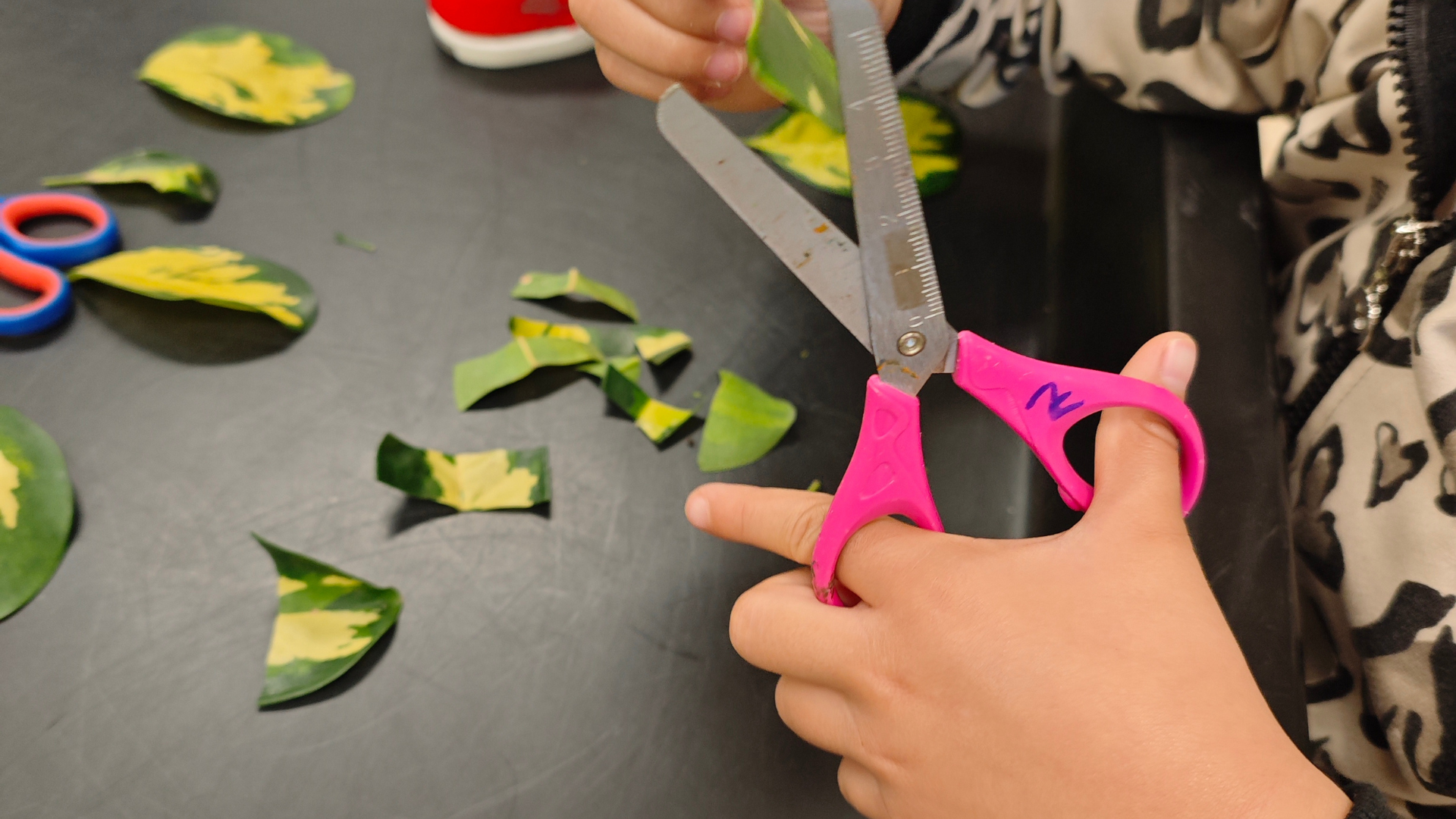
  • Has trouble with scissors, buttons, zippers, or other small-object tasks
  • Presses too hard or too softly when writing

What Therapy Looks Like

Sessions are playful and hands-on. Your therapist might use putty and tongs for strength, mazes and dot-to-dots for control, and multisensory letter practice that lets a child see, feel, and form letters in different ways. We also share simple home and classroom strategies, pencil grips, paper positioning, and warm-up activities, so progress carries over.

Why Handwriting Matters Beyond the Page

When writing is hard, it can affect more than penmanship. Children may rush, avoid written work, or feel less confident at school. Building comfortable, automatic handwriting frees a child's attention for ideas and learning rather than the mechanics of forming letters. That is why we focus on making writing feel achievable and even enjoyable, not just neat.

Our Services

Therapy Clubhouse serves families in Westlake Village and nearby Southern California communities through pediatric speech therapy, occupational therapy, Early Intervention support, in-home therapy, telehealth, and clinic-based care.

Sensory Integration

Help your child process sensory input so they can focus, self regulate, and take part in everyday activities.

Ages 18 months, 3 years TCRC provider services
Learn More

Fine Motor and Handwriting

Build the hand strength, coordination, and control behind writing, buttoning, and self care.

Ages 3+ 45 to 60 minutes per session
Learn More

Daily Living Skills

Support independence with routines, self-care, regulation, and age-appropriate participation goals.

Ages 6 months, 8 years 45 to 60 minutes per session
Learn More

Speech Sound Mastery

Help your child produce sounds clearly and confidently through play-based therapy techniques.

Ages 2 to 12 45 to 60 minutes per session
Learn More

Language Development

Build vocabulary, sentence structure, and comprehension skills through interactive learning.

Ages 18 months, 8 years 30 to 60 minutes per session
Learn More

Social Communication

Develop conversation skills, turn-taking, and social play in a warm environment.

Ages 3 to 12 45 to 60 minutes per session
Learn More

How do I get started?

Call (805) 702-3427 for a free 15-minute consultation. In-home and telehealth occupational therapy are available now across Westlake Village, the Conejo Valley, and Ventura County, and our Westlake Village clinic with a dedicated sensory gym opens November 1, 2026.